Breaking news
Ukraine Denies Russian Claims of Attack on Zaporizhzhia Nuclear Plant
Ukraine's defense forces have rejected Russia's claims of a drone strike at the Zaporizhzhia Nuclear Power Plant. The allegations emerged from Kremlin-aligned news sources on May 31.
Share this article
Share to social platforms, or copy the article link and share text manually.
Developing story
This page is updated as verified details move. The lead and top sections are tightened first when the clearest confirmed angle changes.
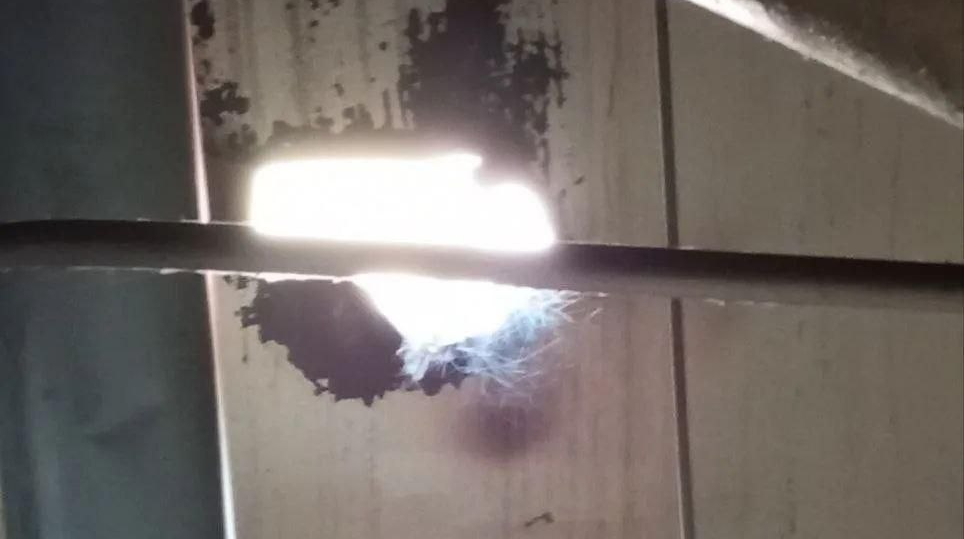
Photo: Ukrainska Pravda EN
At a glance
- Ukraine denies Russian claims of a drone attack on ZNPP.
- Russian reports cited damage to several vehicles; no casualties reported.
- Ukraine's defense forces reject allegations as part of a disinformation campaign.
- IAEA experts are involved but are facing challenges due to the conflict.
- Previous claims of drone strikes on ZNPP have been similarly refuted.
Why it matters
The ongoing conflict at Zaporizhzhia raises serious concerns about nuclear safety and misinformation. Ukraine's commitment to international law emphasizes the importance of responsible actions in such precarious environments.
https://www.pravda.com.ua/eng/news/2026/05/31/8037170/
What Happened
On May 31, 2023, Ukraine's defense forces refuted claims made by Russian state media alleging a Ukrainian drone attack on the transport workshop of the occupied Zaporizhzhia Nuclear Power Plant (ZNPP). Russian sources, including RIA Novosti and TASS, reported damage to the facility, stating that several vehicles were destroyed.
According to the reports, Russian officials claimed that the attack damaged six buses and two Gazelle vehicles, but no personnel casualties were reported. Ukraine's military categorically denied these accusations, labeling them as falsehoods spread by Russian propaganda.
They reiterated that Ukraine does not target nuclear energy facilities and complies with international humanitarian law and nuclear safety principles. Ukraine's defense forces further emphasized that such statements are part of a coordinated misinformation campaign aimed at discrediting Ukraine and shifting blame regarding the risks posed by the ZNPP, which is currently under Russian occupation.
Key Details
The only evidence cited for the alleged strike came from Russian propaganda outlets, which claimed that Ukrainian armed forces were responsible for the facility's damage. Mikhail Ulyanov, Russia's permanent representative to international organizations in Vienna, mentioned that IAEA experts were supposedly inspecting the site to verify reports of the drone strike.
Ulyanov also shared photographs purportedly showing the impact of the alleged attack. Previous allegations by Russia, including claims of a drone strike on power unit No. 6 of the ZNPP, were also dismissed by Ukrainian defense authorities on May 30.
They noted that there were no detectable changes in the radiation levels surrounding the plant. The ongoing accusations from Russia occur amidst critical discussions around the IAEA's governance.
Ukraine’s Foreign Ministry has urged IAEA Board of Governors members to deny support for Russia’s position on the board, citing these claims as politically motivated.
Why It Matters
The situation at the Zaporizhzhia Nuclear Power Plant is critical, as it remains a focal point in the ongoing conflict between Ukraine and Russia. Misleading information regarding potential attacks could escalate tension and undermine nuclear safety protocols in the region.
Ukraine's firm stance on adhering to international laws highlights the country's commitment to nuclear safety, contradicting Russian narratives aimed at portraying Ukraine as a risk.
Background
The Zaporizhzhia Nuclear Power Plant has been under Russian occupation since early in the conflict. There are ongoing concerns over the safety of the facility, given its status as Europe's largest nuclear power station.
Recent exchanges of allegations between Russia and Ukraine about strikes on the site raise alarms not only about military engagements but also about the potential for nuclear incidents that could affect broader European security. During the escalation of these tensions, Ukraine has consistently called for international monitors and regulatory mechanisms to ensure the safety of the ZNPP, underscoring the stakes involved in this highly charged dispute.
The International Atomic Energy Agency (IAEA) has been involved in monitoring the situation, but the ongoing hostilities complicate their efforts in ensuring safety protocols are upheld. Amidst these developments, it is crucial for the global community to remain informed about the dynamics at play around the ZNPP and the implications for nuclear safety in the region.
Source: Ukrainska Pravda EN
This report is maintained as a live newsroom article. Headlines and top paragraphs may be tightened when fresh reporting changes the clearest angle.
Newsletter
Get the next breaking Ukraine update
Receive the fastest lead, key facts, and follow-up links in one concise newsroom note.
Breaking format
The lead carries the core fact first.
Key figures and locations stay near the top.
Related coverage tracks the same reporting line.