Breaking news
Ukrzaliznytsia Changes Train Routes in Sumy Region After Drone Strike
Ukrzaliznytsia said it changed train operations in Sumy region after a Russian drone strike damaged the rear locomotive of a passenger train, prompting route changes and temporary suspensions.
Share this article
Share to social platforms, or copy the article link and share text manually.
Developing story
This page is updated as verified details move. The lead and top sections are tightened first when the clearest confirmed angle changes.
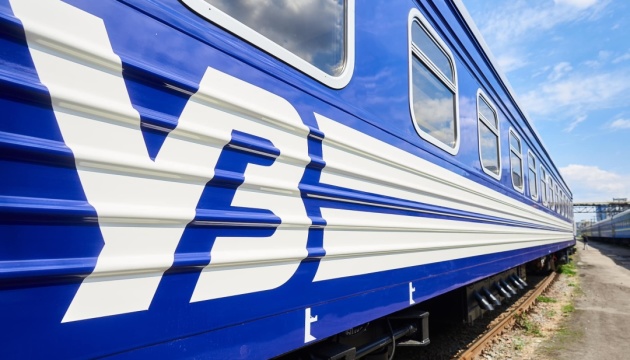
Photo: Ukrinform EN
At a glance
- Ukrzaliznytsia has revised train schedules in response to a Russian drone strike targeting a passenger train.
- No casualties were reported from the drone attack on March 14.
- Alterations to train services will remain effective from March 14 through March 16.
- The incident draws attention to ongoing threats to Ukraine's civilian infrastructure.
- The successful evacuation of passengers illustrates effective crisis management by the railway operator.
Why it matters
The incident matters because it shows how Russian attacks continue to affect civilian transport and force rapid changes to regional mobility and rail safety planning.
https://www.ukrinform.net/rubric-ato/4101705-ukrzaliznytsia-changes-train-routes-in-sumy-region-after-russian-drone-strike-on-passenger-train.html
Train Routes Changed After Strike in Sumy Region
Ukrzaliznytsia said it temporarily changed train operations in Sumy region after a Russian drone struck the rear diesel locomotive of the Smorodyne-Vorozhba passenger train. The railway operator said there were no reported injuries, but the attack forced immediate operational changes in the affected area.
The decision covered services running from March 14 through March 16 and was presented as a safety measure. That response reflects how quickly rail operators in frontline-adjacent regions sometimes have to adjust schedules and routes when infrastructure or rolling stock is targeted.
What Services Were Affected
According to the report, train No. 6011/6012 between Kyrykivka and Vorozhba had its route shortened, while train No. 6016 between Vorozhba and Boromlia was suspended on March 16. Additional route adjustments were expected to affect services connected with Trostianets, Liubotyn, Lebedynska, and Sumy, including delays, cancellations, or alternative routing.
These are not minor timetable changes in isolation. In regions where rail transport remains essential for civilian movement and regional continuity, even temporary route changes can affect daily travel, evacuation logistics, and access to safer transit corridors.
Why Railway Attacks Matter
The report said rail cars were detached from the damaged locomotive so passengers could be evacuated safely. That detail highlights how railway staff are being required to respond to security incidents in real time while trying to preserve continuity of service under wartime conditions.
Rail infrastructure carries weight well beyond transport convenience in Ukraine. It supports civilian mobility, local economies, and in many areas basic resilience during periods of sustained military pressure. When trains or railway assets are hit, the disruption can ripple outward much further than the immediate strike site.
A Broader Vulnerability
For readers, the Sumy incident is significant because it illustrates the continuing vulnerability of civilian transport networks during Russian attacks. Even when casualties are avoided, strikes on railway equipment can trigger operational disruption, uncertainty for passengers, and additional strain on regional planning.
That is why Ukrzaliznytsia's route changes matter. They are part of a broader effort to keep critical transport running while adapting quickly to security threats that can appear without warning.
Source: Ukrinform EN
This report is maintained as a live newsroom article. Headlines and top paragraphs may be tightened when fresh reporting changes the clearest angle.
Newsletter
Get the next breaking Ukraine update
Receive the fastest lead, key facts, and follow-up links in one concise newsroom note.
Breaking format
The lead carries the core fact first.
Key figures and locations stay near the top.
Related coverage tracks the same reporting line.