Breaking news
Student Detained for Coordinating Russian Attacks in Cherkasy
A student in the Cherkasy region has been detained by the Security Service of Ukraine (SSU) for allegedly coordinating Russian missile and drone attacks. The arrest occurred amid ongoing efforts to secure critical energy infrastructure in the region.
Share this article
Share to social platforms, or copy the article link and share text manually.
Developing story
This page is updated as verified details move. The lead and top sections are tightened first when the clearest confirmed angle changes.
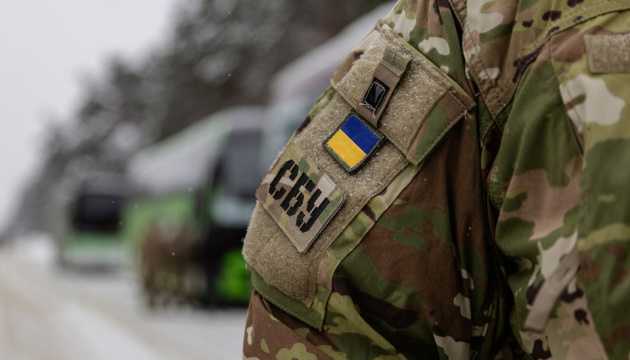
Photo: Ukrinform EN
At a glance
- SSU detains a student accused of coordinating Russian strikes.
- The suspect was recruited via Telegram while seeking quick cash.
- He collected intelligence on energy infrastructure for the FSB.
- Evidence seized includes his computer and smartphone.
- Facing charges under Ukrainian treason laws, he could receive life imprisonment.
Why it matters
The detention underscores the significant risks posed by espionage to Ukraine’s energy security. Disrupting such activities is essential to safeguard critical national infrastructure.
https://www.ukrinform.net/rubric-ato/4117001-ssu-detains-student-coordinating-russian-attacks-on-energy-sector-in-cherkasy-region.html
What Happened
The Security Service of Ukraine (SSU) recently detained a student accused of being an agent for the Russian Federal Security Service (FSB) in the Cherkasy region. This individual was allegedly involved in coordinating attacks on the region's energy infrastructure. The arrest highlights ongoing security concerns related to Russia's military operations targeting critical facilities in Ukraine.
Key Details
According to the SSU, the student was recruited by Russian intelligence while seeking easy cash opportunities on social media platforms like Telegram. He allegedly agreed to provide intelligence on key energy facilities in exchange for monetary compensation.
This deal involved the student tracking the location of an important energy site and photographing it under the pretense of casual activity. Upon gathering this information, he reportedly saved it on his smartphone, intending to create a report for his FSB handler.
SSU officers apprehended him at an early stage of his espionage activities while he was preparing the report in a student dormitory. During the detention, investigators seized multiple devices, including a computer and a smartphone, which contained incriminating evidence of his collaboration with Russian intelligence.
The student has been charged under Part 2 of Article 111 of the Criminal Code of Ukraine, relating to treason during martial law. The current legal framework allows for severe penalties, and the detainee faces a potential life sentence along with confiscation of property.
The SSU continues to investigate cases involving espionage and sabotage linked to the ongoing conflict. In a related case, a separate intelligence agent was sentenced to 15 years in prison for coordinating attacks on Odesa.
Why It Matters
This arrest reflects the ongoing threat posed by espionage activities to Ukraine's national security. Attacks on energy infrastructure are particularly concerning as they can impact civilian life and the broader economy. Additionally, detaining individuals involved in such activities can disrupt operational capabilities of foreign adversaries.
Background
The conflict between Ukraine and Russia has led to a heightened focus on counterintelligence efforts, especially regarding individuals cooperating with hostile foreign entities. The SSU has been active in neutralizing threats to critical infrastructure since the beginning of the war, targeting both direct military actions and the support networks that enable them.
As the conflict progresses, Ukraine continues to enhance its counterintelligence and law enforcement capabilities to respond to these evolving threats.
Source: Ukrinform EN
This report is maintained as a live newsroom article. Headlines and top paragraphs may be tightened when fresh reporting changes the clearest angle.
Newsletter
Get the next breaking Ukraine update
Receive the fastest lead, key facts, and follow-up links in one concise newsroom note.
Breaking format
The lead carries the core fact first.
Key figures and locations stay near the top.
Related coverage tracks the same reporting line.