News report
Ukrainians to Observe Peak of Lyrid Meteor Shower on April 22
On April 22, 2026, Ukrainians will have the opportunity to observe the peak of the Lyrid meteor shower. The event was reported by Ukrinform, citing information from Space.com.
Share this article
Share to social platforms, or copy the article link and share text manually.
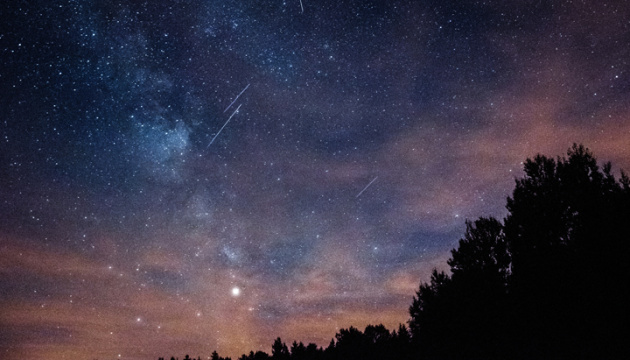
Photo: Ukrinform EN
At a glance
- Peak observation of the Lyrid meteor shower on April 22, 2026.
- Best viewing conditions are pre-dawn hours.
- Typically, observers can see 15-20 meteors per hour.
- Lyrids are linked to Comet Thatcher, with an orbit of 415.5 years.
- The shower occurs annually from April 16 to April 25.
Why it matters
The Lyrid meteor shower presents a chance for astronomical observation in Ukraine, promoting scientific interest. It also allows people to connect with celestial events, enriching community engagement with nature.
https://www.ukrinform.net/rubric-society/4114027-ukrainians-to-be-able-to-observe-peak-of-the-lyrid-meteor-shower-on-april-22.html
What Happened
On the night leading into Wednesday, April 22, people across Ukraine will experience the peak of the Lyrid meteor shower. The event is set to occur during the pre-dawn hours, when conditions are optimal for viewing.
Key Details
According to Space.com, the best time to catch sight of the Lyrids is just before dawn. As this time approaches, the radiant—the point in the sky where the meteors appear to originate—will rise higher.
However, as sunrise nears, the brightening sky may make it challenging to view the meteors. The Lyrids, which originate from Comet Thatcher, are known for their periodic displays. This comet completes an orbit around the Sun approximately every 415.5 years.
The last closest approach to the Sun occurred in 1861. Typically, during the Lyrid meteor shower's peak, observers can expect to see about 15 to 20 meteors per hour. However, some years have seen exceptional displays, with the potential for over 100 meteors per hour in brief periods known as outbursts.
Predicting these intensified events remains difficult. The meteor shower occurs annually from April 16 to April 25, providing a reliable window for skywatchers to prepare.
Why It Matters
The Lyrid meteor shower offers a unique opportunity for astronomical observations in Ukraine. Such events can foster interest in science and astronomy among the public and provide a moment of connection with nature.
Background
The Lyrid meteor shower has been recorded for approximately 2,600 years. Historical accounts refer to meteor showers consisting of visible meteors streaking across the night sky. Over the decades, astronomical studies have increased our understanding of such phenomena and their origins.
Recent advancements in technology have improved insights into the behavior of comets and meteor showers, enhancing the observation experience for enthusiasts around the world.
Source: Ukrinform EN
This report is maintained as a live newsroom article. Headlines and top paragraphs may be tightened when fresh reporting changes the clearest angle.
Newsletter
Get the next major Ukraine report
Follow the strongest verified developments with a cleaner newsroom brief and direct follow-up coverage.
Report format
Fast lead first, then fuller context.
Source photo stays distinct from any illustration.
Related coverage stays inside the same reporting thread.