News report
Canada Voices Opposition to NATO Military Aid for Ukraine
Canada and several NATO countries have rejected an initiative to allocate 0.25% of their GDP for military assistance to Ukraine. This position was reported on May 26, 2026, through expert commentary in Ukrinform.
Share this article
Share to social platforms, or copy the article link and share text manually.
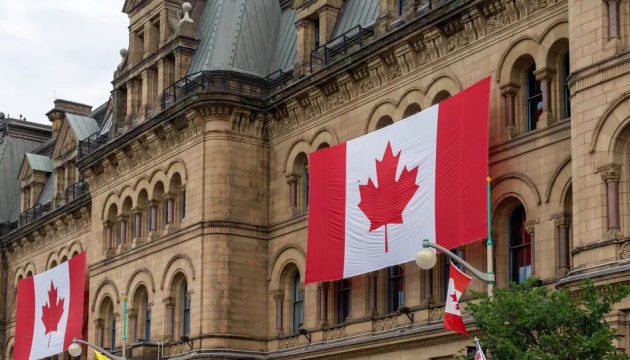
Photo: Ukrinform UA
At a glance
- Canada and others declined to support 0.25% GDP military aid to Ukraine.
- The initiative could have increased aid to $143 billion annually.
- Steven Saideman cited defense policy independence as a key issue.
- Pressure exists on NATO members to maintain spending for internal needs.
- Opposition came from at least five member states, including Canada and the UK.
Why it matters
Canada's decision affects the potential scale of military aid to Ukraine, which is critical for its defense against ongoing threats. It highlights the internal challenges NATO faces in balancing national interests with collective military support.
https://www.ukrinform.ua/rubric-polytics/4127243-kanada-ne-hoce-zvazuvati-sobi-ruki-ekspert-pro-vidmovu-nato-vid-novoi-dopomogi-ukraini.html
What Happened
During a recent discussion on military aid to Ukraine, Canada, along with several other NATO nations, indicated its refusal to support a proposal that would allocate 0.25% of GDP to assist Ukraine in its defense efforts. This statement followed a closed meeting in April where NATO Secretary General Jens Stoltenberg requested member countries consider contributing this percentage of their economic output toward Ukraine's military funding.
Key Details
Steven Saideman, head of the Norman Paterson School of International Affairs, commented on the situation, highlighting that the hesitance springs from a desire to maintain national sovereignty in defense policy. According to Saideman, countries are facing significant pressure to meet spending commitments for other needs, making them cautious about additional obligations.
The push for this contribution arose amid escalating needs for Ukraine's military support, especially in light of ongoing conflict conditions. The potential total aid could have reached up to $143 billion annually if the initiative had been approved.
At least five NATO countries, including Canada and the United Kingdom, opposed the initiative, reflecting broader concerns among member states about committing to increased military expenditure.
Why It Matters
Canada’s position signals a significant point of contention within NATO regarding support for Ukraine. The reluctance to commit further funds may affect Ukraine's defense capabilities and reflect ongoing debates about resource allocation among NATO allies. The situation underscores the complex dynamics of international defense cooperation, particularly amid global tensions.
Background
In April 2026, NATO Secretary General Jens Stoltenberg urged member states during a closed meeting to consider contributing further to Ukraine's military efforts. The proposed allocation of 0.25% GDP was seen as a strategic measure to address Ukraine's urgent defense needs.
However, many NATO allies, grappling with their internal defense commitments, expressed their unwillingness to engage in such commitments that would restrict their future military policy decisions. Commentary from Saideman indicates that the challenges faced by NATO members include existing commitments to defense spending.
Many of these countries are already struggling to meet previous agreements concerning military expenditures, particularly the goal of 3.5% of GDP, making further obligations less appealing.
Source: Ukrinform UA
This report is maintained as a live newsroom article. Headlines and top paragraphs may be tightened when fresh reporting changes the clearest angle.
Newsletter
Get the next major Ukraine report
Follow the strongest verified developments with a cleaner newsroom brief and direct follow-up coverage.
Report format
Fast lead first, then fuller context.
Source photo stays distinct from any illustration.
Related coverage stays inside the same reporting thread.