News report
Ukrainian UAVs Target 18 Russian Oil Facilities in May
In May 2026, Ukrainian unmanned aerial vehicles (UAVs) struck 18 oil facilities in Russia and temporarily occupied territories. This operation was confirmed by Commander Robert Brovdi of the Unmanned Systems Forces.
Share this article
Share to social platforms, or copy the article link and share text manually.
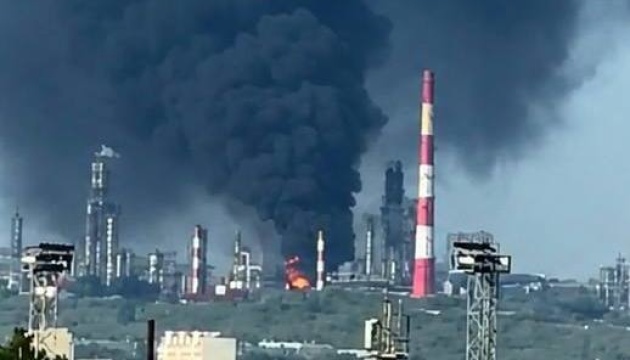
Photo: Ukrinform EN
At a glance
- UAVs struck 18 oil facilities in Russia and occupied territories in May.
- More than half of the targeted facilities ceased operations following the attacks.
- Attacks included major refineries in regions like Moscow and Volgograd.
- The operation is part of Ukraine's strategy to weaken Russian military resources.
- Further strikes occurred on May 31 against additional enemy targets.
Why it matters
Ukraine's strikes on Russian oil facilities disrupt the enemy's energy supply, impacting their military operations. The use of UAV technology demonstrates Ukraine's evolving offensive capabilities in the conflict.
https://www.ukrinform.net/rubric-ato/4129174-uavs-struck-18-russian-oil-facilities-in-may.html
What Happened
In May 2026, the Unmanned Systems Forces of the Armed Forces of Ukraine successfully targeted and struck 18 oil facilities in Russia and in territories occupied by Russian forces. Commander Robert Brovdi announced this operation on Facebook, highlighting the impact these strikes have had on the Russian oil refining industry.
Key Details
The Ukrainian strikes focused on multiple key facilities, including major oil refineries and processing plants located in regions such as Moscow, Saratov, and Volgograd. Commander Brovdi detailed that more than half of the facilities affected were shut down or ceased operations as a result of the attacks.
Among the facilities targeted were notable installations like the oil refineries in Primorsk and Orenburg. Brovdi noted the significance of these attacks, describing the freedom-loving nature of the UAV operations.
He stated that the strikes marked a 'fiery coming-of-age' of the occupier’s oil refining sector. The attacks have drawn attention to the vulnerabilities within Russia's energy infrastructure amidst ongoing conflict.
On the night of May 31, further strikes occurred targeting the 'Saratovsky' oil refinery and production facilities in the Kirov region among other enemy targets. These operations highlight the ongoing tactical capabilities of Ukraine's Defense Forces in utilizing UAV technology.
Why It Matters
The destruction of these oil facilities crucially impacts Russia's ability to maintain its energy supply and revenue during the ongoing conflict. These strikes signify Ukraine's strategic use of UAVs to disrupt enemy operations and target critical infrastructure effectively.
Background
This series of attacks follows a pattern of increased drone warfare initiated by Ukraine amid ongoing hostilities. The operations are part of Ukraine's broader strategy to weaken the economic foundation of Russian military operations. As the war continues, Ukraine's emphasis on precision strikes against logistical and energy resources remains a focal point in its defense strategy.
Source: Ukrinform EN
This report is maintained as a live newsroom article. Headlines and top paragraphs may be tightened when fresh reporting changes the clearest angle.
Newsletter
Get the next major Ukraine report
Follow the strongest verified developments with a cleaner newsroom brief and direct follow-up coverage.
Report format
Fast lead first, then fuller context.
Source photo stays distinct from any illustration.
Related coverage stays inside the same reporting thread.