News report
Ukrainian Forces Target 26 Russian Sites on June 7
On June 7, Ukrainian drone forces struck 26 Russian military objects in temporarily occupied territories and the Bryansk region of Russia. This information was reported by the command of Ukraine's armed forces.
Share this article
Share to social platforms, or copy the article link and share text manually.
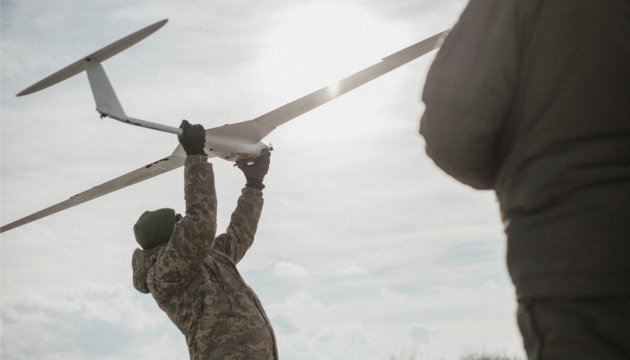
Photo: Ukrinform UA
At a glance
- Ukrainian drones targeted 26 Russian military sites on June 7.
- Key strikes included destruction of missile systems and locomotives.
- The operation aimed to disrupt Russian logistics and military capabilities.
- Commander Robert Brovdi confirmed the details via social media.
- Drones remain a central component of Ukraine's military strategy.
Why it matters
These strikes represent a significant tactical move by Ukrainian forces to disrupt Russian military infrastructure. Successful drone operations can hinder enemy logistics and operational readiness, affecting the broader conflict dynamics.
https://www.ukrinform.ua/rubric-ato/4131299-sili-bezpilotnih-sistem-vnoci-urazili-26-rosijskih-obektiv-na-tot-i-v-branskij-oblasti.html
What Happened

During the night of June 7, 2026, Ukrainian drone forces executed a coordinated attack on 26 Russian military targets. These strikes took place in several regions, including temporarily occupied areas in Eastern Ukraine and the Bryansk region of Russia. The information was confirmed by Commander Robert "Madyar" Brovdi, who provided details via a Facebook post.
Key Details
Brovdi stated that the operation impacted an array of Russian positions. Notably, the forces successfully destroyed anti-aircraft systems and damaged multiple critical infrastructure elements.
Specifically, the strikes resulted in the destruction of one surface-to-air missile system and inflicted damage on three locomotives, two fuel train couplings, four electrical substations, and six telecommunications towers. Brovdi indicated that this operation aimed to disrupt supply lines and diminish the operational capabilities of Russian forces in the region.
Why It Matters
These drone attacks exemplify Ukraine's ongoing efforts to reclaim control over occupied territories. Targeting logistical and military infrastructure is central to weakening enemy operations. Continuous offensive actions could alter the dynamics of the conflict, emphasizing the role of drones in modern warfare.
Background
The conflict in Ukraine has seen an increasing reliance on drone technology by both sides. Ukraine has continuously adapted its tactics to counter Russian advancements, especially within occupied territories.
The success of these drone operations reflects enhanced capabilities and strategic planning by Ukrainian forces. This particular operation coincides with ongoing concerns regarding the fortification of Russian positions along the front lines.
Reports suggest that Ukrainian drones have penetrated deep into enemy territory, effectively challenging Russia's military logistics and command structures. As the conflict persists, such strikes may become pivotal in shifting the balance of power in the ongoing clash between Ukraine and Russia.
Source: Ukrinform UA
This report is maintained as a live newsroom article. Headlines and top paragraphs may be tightened when fresh reporting changes the clearest angle.
Newsletter
Get the next major Ukraine report
Follow the strongest verified developments with a cleaner newsroom brief and direct follow-up coverage.
Report format
Fast lead first, then fuller context.
Source photo stays distinct from any illustration.
Related coverage stays inside the same reporting thread.