Breaking news
Ukrainian Forces Strike Russian Military Installations in Crimea
Ukrainian forces said they struck Russian radar systems and related military targets in Crimea on March 15, in what appears to be part of a wider effort to degrade Russian air-defense and support infrastructure.
Share this article
Share to social platforms, or copy the article link and share text manually.
Developing story
This page is updated as verified details move. The lead and top sections are tightened first when the clearest confirmed angle changes.
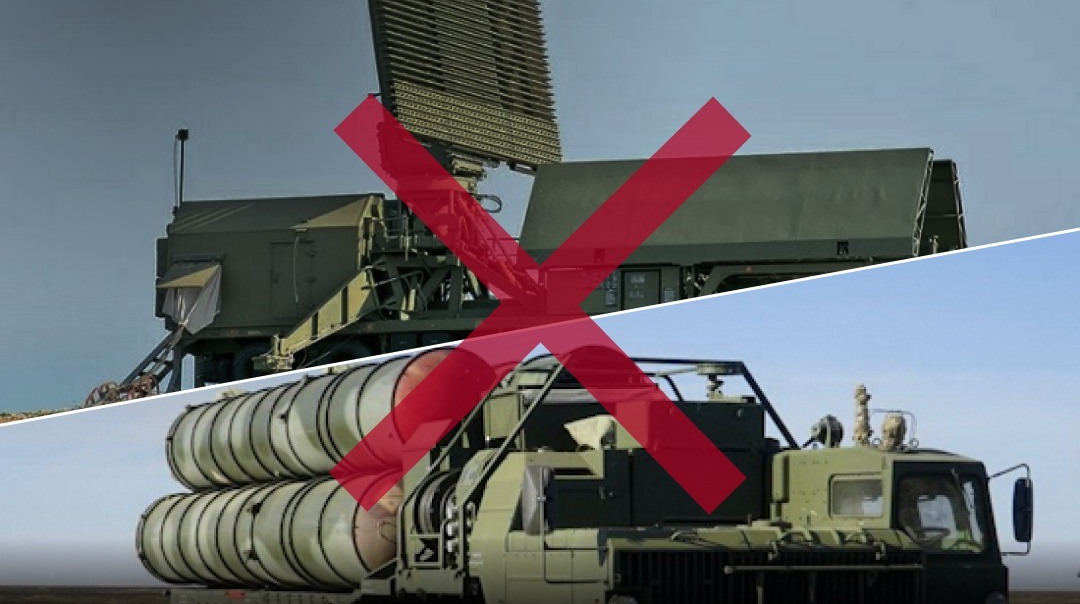
Photo: Ukrainska Pravda UA
At a glance
- Ukrainian forces targeted and struck two critical Russian radar systems and an S-400 missile launcher in Crimea.
- The military operation was conducted on March 15, as confirmed by Ukrainian military sources.
- Previous strikes on radar systems illustrate a focused effort by Ukraine to weaken Russian air defense capabilities.
- Reported Russian casualties continue to rise, with estimates of over 1.27 million personnel losses since the onset of the war.
Why it matters
The strike matters because radar and air-defense assets in Crimea help Russia detect threats and support operations around occupied territory and the Black Sea area.
https://www.pravda.com.ua/news/2026/03/15/8025596/
Strike Reported Against Radar Systems in Crimea

Ukrainian defense forces said they struck important Russian military assets in occupied Crimea on March 15, including radar systems described as part of Russia's air-defense network. According to the report, the targets included the 59N6-E Pronev and 73E6 Parol radar systems near Libknyetivka.
If those systems were significantly damaged, the strike would matter because radar coverage is central to air-defense coordination. In practical terms, degrading such systems can make it harder for Russian forces to detect threats quickly and to maintain a consistent picture of activity in the air domain.
Why Radar Targets Matter
The report presented the strike as part of Ukraine's continuing effort to weaken Russian military capability in Crimea rather than as a one-off raid. Radar systems are not symbolic targets: they help support broader air-defense architecture, including detection, warning, and coordination functions that affect Russian military operations beyond a single site.
That is why attacks of this kind can be strategically important even when the immediate damage assessment remains limited. The practical goal is to reduce the reliability of the wider system over time and force Russia to absorb additional pressure on assets it depends on for operational awareness.
Part of a Wider Pattern of Pressure
The article linked the March 15 strike to earlier Ukrainian attacks against Russian military infrastructure in and around Crimea. It referenced a March 10 operation aimed at the Valday radar complex on the Crimean coast, suggesting that Ukraine is pursuing a sustained campaign against radar and related systems rather than isolated tactical strikes.
The same report also pointed to Ukrainian attacks on Russian logistical support in occupied territories, including supply depots in the Zaporizhzhia region and a drone storage facility in Primorske. Read together, those details indicate a broader pressure strategy aimed at reducing both Russia's battlefield awareness and its ability to sustain operations.
Wider Military Context
The report also mentioned heavy Russian troop losses in recent fighting, framing the strike in Crimea as part of a wider battlefield environment in which Ukraine is trying to increase pressure across multiple lines at once. Even when these strands of the war unfold in different regions, they can be connected operationally by a single objective: to weaken the overall system that supports Russian combat activity.
From Ukraine's perspective, operations against radar, missile-support infrastructure, depots, and drone-related facilities all contribute to that broader objective. They may not produce an immediate visible shift by themselves, but they can steadily erode the efficiency and flexibility of Russian forces over time.
Why the Strike Matters
For readers, the importance of this report lies in the type of target that was hit. Radar systems are part of the infrastructure that enables broader military action, which means attacks on them can have effects beyond the immediate blast site.
That is why Ukrainian strikes in Crimea continue to draw attention even when officials do not release a full damage assessment right away. The strategic purpose is clear: reduce Russian air-defense effectiveness, complicate operational planning, and weaken the military framework that supports Moscow's position in occupied territory and around the Black Sea.
Source: Ukrainska Pravda UA
This report is maintained as a live newsroom article. Headlines and top paragraphs may be tightened when fresh reporting changes the clearest angle.
Newsletter
Get the next breaking Ukraine update
Receive the fastest lead, key facts, and follow-up links in one concise newsroom note.
Breaking format
The lead carries the core fact first.
Key figures and locations stay near the top.
Related coverage tracks the same reporting line.