Breaking news
Ukraine Defends Against 76 Attacks by Russia on April 27, 2026
Russian forces attacked Ukrainian positions 76 times on April 27, 2026, with the most pressure felt in the Pokrovsk direction. The General Staff of the Armed Forces of Ukraine reported these developments by 4 PM.
Share this article
Share to social platforms, or copy the article link and share text manually.
Developing story
This page is updated as verified details move. The lead and top sections are tightened first when the clearest confirmed angle changes.
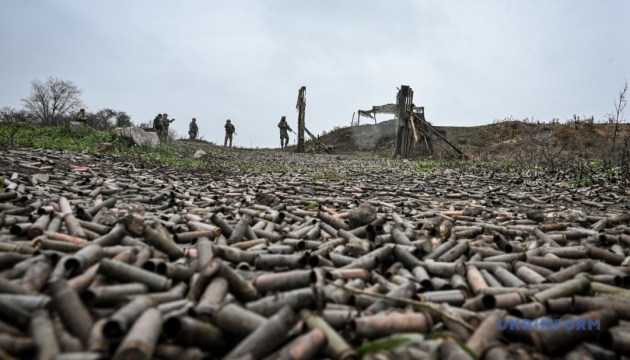
Photo: Ukrinform UA
At a glance
- 76 attacks launched by Russian forces on April 27, 2026.
- Most attacks concentrated in the Pokrovsk direction.
- 29 assaults reported in Pokrovsk, highlighting operational focus.
- Significant artillery strikes across multiple regions.
- Ukrainian forces reported successful repels of several assault attempts.
Why it matters
The sustained Russian attacks illustrate the ongoing conflict and its implications for regional security. Understanding these developments is crucial for evaluating support to Ukraine and international military strategies.
https://www.ukrinform.ua/rubric-ato/4117160-rosiani-atakuvali-76-raziv-vid-pocatku-dobi-najbilse-na-pokrovskomu-napramku.html
What Happened
On April 27, 2026, Russian military forces escalated their assaults on Ukraine, administering a total of 76 attacks throughout the day. Most of these attacks were concentrated in the Pokrovsk direction, indicating a significant focus of Russian operational strategy.
Key Details
According to the General Staff of the Armed Forces of Ukraine, the onslaught primarily targeted areas such as Rogizne, Volfino, Kucheryvka, and several others across the Sumy and Chernihiv regions. Notably, the intensity of attacks is particularly elevated in Pokrovsk, where 29 assaults were reported.
The situation in this region reveals ongoing hostilities that complicate the security landscape. Russian forces also launched numerous artillery strikes in the North-Slobozhansky and Kursk directions, totaling 22 incidents, including three from multiple launch rocket systems.
The Southern-Slobozhansky direction saw attempts to improve positions near Ternove, Staritsia, and Okhrimivka, with one engagement still ongoing. In the Kupiansk direction, four separate Russian assault actions were documented.
Ukrainian defenders successfully repelled six attempts by Russian troops attempting to advance in the Lyman sector. The attacks on the Sloviansk direction featured four separate assault attempts.
Each reported engagement demonstrates the persistence of Russian military initiatives in various sectors.
Why It Matters
The frequency of these attacks underlines the persistent threat posed by Russian military operations against Ukraine. The strategic focus on specific areas, such as Pokrovsk, is essential for informing defensive preparations and international responses. Continued assaults indicate a volatile security landscape necessitating vigilance from both Ukrainian forces and their allies.
Background
Over the course of this conflict, the dynamics have continued to evolve, with both sides experiencing variations in tactical approaches. The Ukrainian military has remained resolute in defending against these incursions.
Reports highlight previous developments around counteroffensive actions and the shifting landscapes of both military and civilian safety in contested areas. The ongoing confrontations are not just military skirmishes but affect regional stability and international relations, especially as military movements are closely monitored by allies supporting Ukraine.
As the conflict endures, daily reports like these offer critical updates on the situation, showing both the persistence of hostilities and the continuing resilience of Ukrainian forces.
Source: Ukrinform UA
This report is maintained as a live newsroom article. Headlines and top paragraphs may be tightened when fresh reporting changes the clearest angle.
Newsletter
Get the next breaking Ukraine update
Receive the fastest lead, key facts, and follow-up links in one concise newsroom note.
Breaking format
The lead carries the core fact first.
Key figures and locations stay near the top.
Related coverage tracks the same reporting line.