Breaking news
Ukraine's Unmanned Systems Forces Strike Over 24K Russian Assets
Ukraine's Unmanned Systems Forces (USFs) have reported striking over 24,000 pieces of Russian military equipment in a ten-month operation. This significant statistic was shared via their Facebook account, illustrating the USFs' impact since their inception in June 2025.
Share this article
Share to social platforms, or copy the article link and share text manually.
Developing story
This page is updated as verified details move. The lead and top sections are tightened first when the clearest confirmed angle changes.
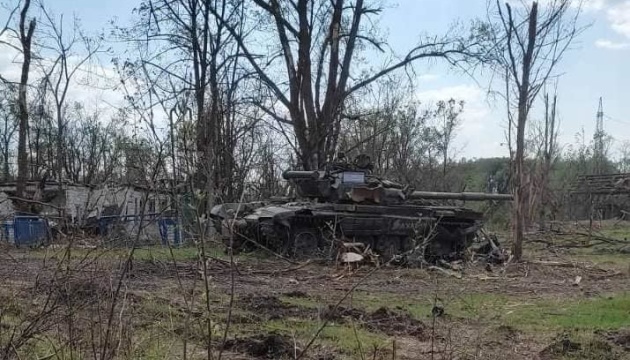
Photo: Ukrinform EN
At a glance
- Ukraine's USFs have hit over 24,000 pieces of Russian military equipment.
- Reported destruction includes 3,900 guns and howitzers.
- More than 12,000 heavy and specialized vehicles were targeted.
- The USFs have eliminated over 82,000 Russian personnel during the same period.
- Their operations began on June 11, 2025, indicating a sustained military effort.
Why it matters
The effectiveness of Ukraine's Unmanned Systems Forces impacts the broader military landscape and operational strategies. Their success suggests a shift towards technological warfare that could redefine engagement rules in the ongoing conflict.
https://www.ukrinform.net/rubric-ato/4111754-ukraines-usfs-hit-over-24000-pieces-of-russian-military-equipment-in-10-months.html
What Happened
In a recent update, the Unmanned Systems Forces (USFs) of Ukraine's Armed Forces revealed they have successfully targeted over 24,000 pieces of Russian military equipment since their establishment. This announcement comes ten months after the group’s formation on June 11, 2025.
The report, confirmed by Ukrinform, indicates substantial operational effectiveness, showcasing the role of drone technology in the ongoing conflict.
Key Details
The USFs stated in a Facebook post that their offensive actions include extensive destruction across various categories of military equipment. Over this ten-month period, the USFs have reportedly struck: - More than 3,900 guns and howitzers.
- Over 12,000 different units of light, heavy, and specialized vehicles. - More than 7,600 motorcycles and buggies. To complement their report, the USFs shared a video demonstrating their combat operations.
The effectiveness of these operations reflects a concentrated effort in utilizing unmanned systems to counter Russian military capabilities. The forces emphasized that while they have achieved considerable success, many challenges remain ahead, expressing determination to persist in their mission.
Why It Matters
This accomplishment not only highlights the strategic advancements made by Ukraine's military forces but also showcases the increasing reliance on unmanned technology in modern warfare. The ongoing destruction of Russian military assets may alter the dynamics of the conflict, potentially impacting the operational strategies of both sides.
Background
Since the USFs were created, they have played a crucial role in combating Russian forces, contributing significantly to the overall military efforts of Ukraine. Notably, they reported the elimination of over 82,000 Russian personnel during the same period, pointing to a broader trend of increased engagement between Ukrainian armed forces and their adversaries.
The conflict has relied heavily on innovative tactics that leverage technology, with unmanned systems taking center stage. As Ukraine continues to adapt its military strategies amid the conflict, the details shared by the USFs not only serve to inform the public but also reflect the high stakes of contemporary warfare, where technology and tactics converging on the battlefield can lead to decisive outcomes.
Source: Ukrinform EN
This report is maintained as a live newsroom article. Headlines and top paragraphs may be tightened when fresh reporting changes the clearest angle.
Newsletter
Get the next breaking Ukraine update
Receive the fastest lead, key facts, and follow-up links in one concise newsroom note.
Breaking format
The lead carries the core fact first.
Key figures and locations stay near the top.
Related coverage tracks the same reporting line.