Breaking news
Russian Forces Conduct 250 Attacks on Ukraine's Border Units
Russian forces launched 250 attacks on Ukrainian border units within a single day, predominantly using drones. This information was reported by Andrii Demchenko, spokesperson for the State Border Guard Service of Ukraine.
Share this article
Share to social platforms, or copy the article link and share text manually.
Developing story
This page is updated as verified details move. The lead and top sections are tightened first when the clearest confirmed angle changes.
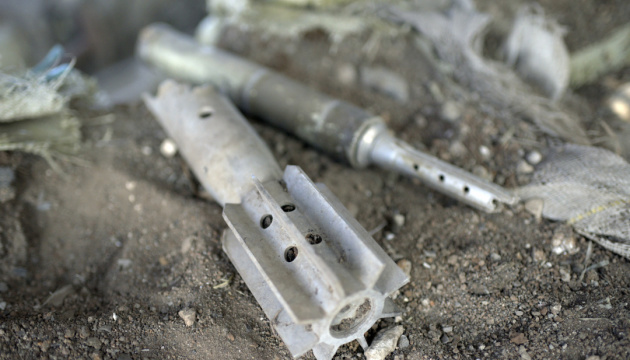
Photo: Ukrinform EN
At a glance
- Russian forces launched 250 attacks on Ukrainian border units in one day.
- 150 of the attacks were conducted using drones.
- Heaviest fighting is reported in the Pokrovsk sector.
- Ukrainian border guard units have successfully repelled advances.
- Chernihiv, Sumy, and Kharkiv regions are under constant shelling.
Why it matters
These attacks illustrate the persistent threat posed by Russian military operations in Ukraine. The resilience of the Ukrainian border units is crucial for maintaining territorial integrity amid ongoing hostilities.
https://www.ukrinform.net/rubric-ato/4121859-russian-forces-launch-250-attacks-on-ukrainian-border-units-in-one-day-most-using-drones.html
What Happened
Russian forces targeted Ukrainian border guard units with 250 attacks on a single day, including 150 drone strikes. Andrii Demchenko, spokesperson for the State Border Guard Service of Ukraine, shared these details in a recent television report.
Key Details
Demchenko indicated that the heaviest fighting is occurring in the Pokrovsk sector, where Russian forces are making aggressive attempts to breach Ukrainian defenses. Despite the intensity of the assaults, Ukrainian border units have successfully maintained their positions.
The constant shelling impacts the border areas specifically in the regions of Chernihiv, Sumy, and Kharkiv. While shelling in Chernihiv is less frequent, it continues daily, reflecting ongoing hostilities along the Ukrainian border.
According to Demchenko, the Russian military's approach involves extensive use of drones, with attacks focused particularly in the Sumy and Kharkiv regions where tactical maneuvers are underway. The incidents signify that even with overwhelming attacks, Ukrainian forces are resisting advancements into their territory.
Why It Matters
These drone attacks exemplify the ongoing military strategy employed by Russian forces in an attempt to destabilize Ukraine's border regions. The resilience of the Ukrainian border guard units highlights their commitment to defending national territory amidst increasing hostilities.
Background
In recent reports, Russian forces have been trying to establish a buffer zone along the border, but the State Border Guard Service of Ukraine asserts that these efforts have not succeeded. This latest surge in attacks, particularly using drones, indicates a sustained escalation in the conflict. The continued bombardment of border units is part of broader military actions that threaten regional stability and security.
Source: Ukrinform EN
This report is maintained as a live newsroom article. Headlines and top paragraphs may be tightened when fresh reporting changes the clearest angle.
Newsletter
Get the next breaking Ukraine update
Receive the fastest lead, key facts, and follow-up links in one concise newsroom note.
Breaking format
The lead carries the core fact first.
Key figures and locations stay near the top.
Related coverage tracks the same reporting line.