News report
Ukraine's Role in Russia's Hybrid Warfare Against Poland
A recent report outlines Russia's hybrid attacks on Poland, implicating Ukrainian citizens in these operations. The report highlights the escalation in such activities since 2022.
Share this article
Share to social platforms, or copy the article link and share text manually.
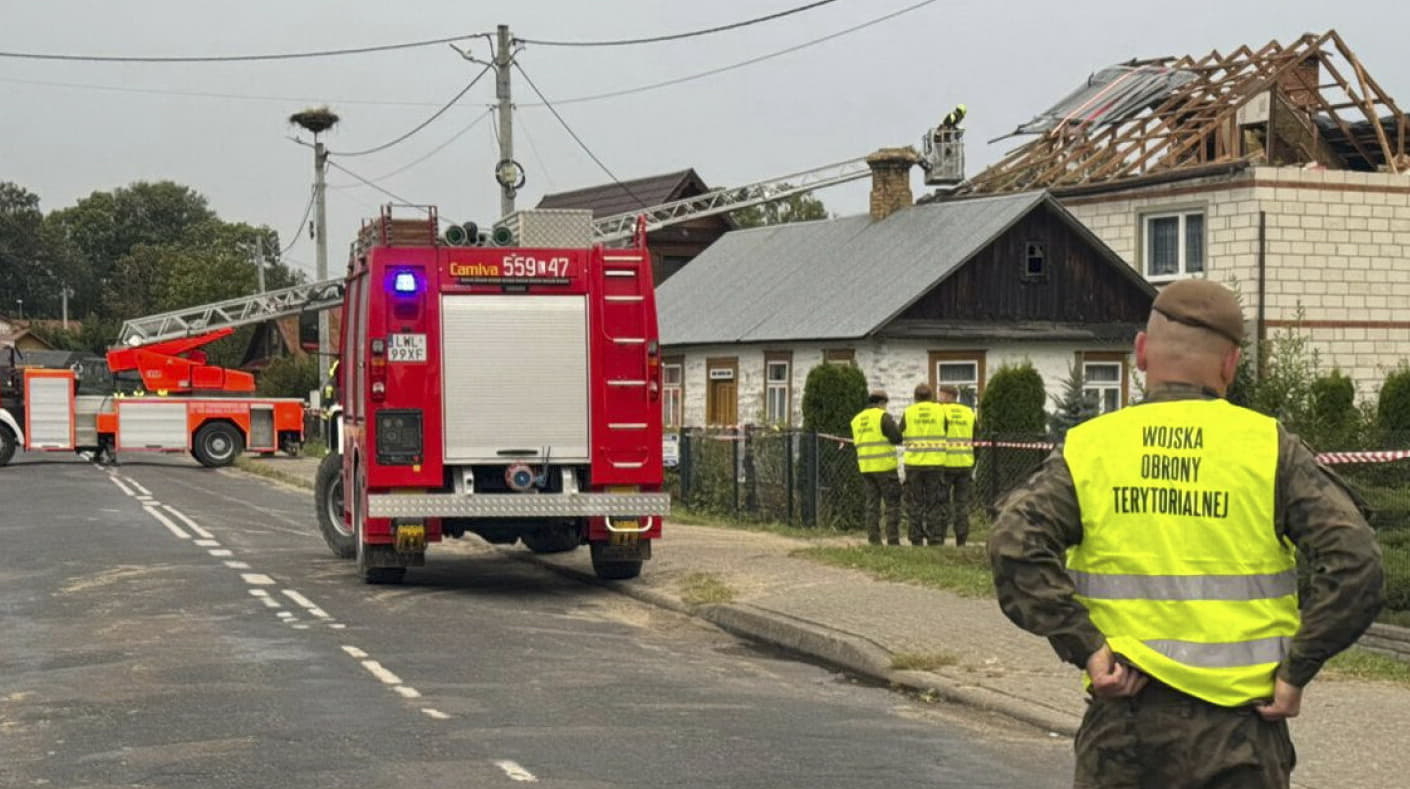
Photo: Ukrainska Pravda UA
At a glance
- Russia's hybrid warfare against Poland has escalated since 2022.
- Ukrainian citizens are being targeted for recruitment in Russian operations.
- Reports indicate a shift from cyber operations to aggressive tactics testing NATO's resolve.
- Financial incentives drive many of the recruited individuals to participate.
- The stability of Poland is crucial for the broader NATO alliance amidst growing threats.
Why it matters
The report underscores the serious implications of Russia's hybrid tactics for regional security. It reveals how these operations affect not only Poland but also the safety of Ukrainian refugees involved.
https://www.pravda.com.ua/articles/2026/05/03/8032732/
What Happened
In a report released by the Polish portal Defense24, experts analyze Russia's hybrid warfare techniques targeting Poland over the past six years. This investigation examined various forms of aggression, including cyberattacks, misinformation, and direct assaults that have increased since Poland became a key transit route for Western aid to Ukraine in 2022.
The findings suggest a systematic approach by Russian intelligence services to disrupt Poland's stability.
Key Details
The report details several dimensions of this hybrid warfare. Russian tactics have shifted from subtle, cyber-based operations to more aggressive actions that directly test Poland's resilience as a NATO member.
Notably, the findings indicate Russia's intention to demonstrate its capability to inflict harm on NATO countries without facing repercussions. Among the documented incidents are an increase in cyberattacks, disinformation campaigns, and hybrid migration crises.
The report claims the goal of these activities is to destabilize the Polish state and provoke a sense of insecurity within the NATO alliance. The rise in aggressive operations throughout 2025 reflects a worrying trend in Russian military strategy.
Furthermore, the report reveals significant recruitment efforts by Russian and Belarusian intelligence targeting individuals in Poland, including Ukrainian refugees. It notes that many recruited agents are motivated primarily by financial incentives rather than ideological beliefs, with some receiving payments for criminal activities that could lead to substantial prison sentences.
Why It Matters
Understanding the scale and nature of hybrid warfare against Poland is crucial for assessing regional security dynamics. The findings stress that Poland serves as a testing ground for Russian aggression, impacting not only its national security but also the broader NATO alliance.
Additionally, the incorporation of Ukrainian individuals in these operations raises questions about the implications for Ukraine and its refugee community in Poland.
Background
Russia's hybrid warfare strategy has been evolving since its annexation of Crimea in 2014, but it has intensified with the ongoing conflict in Ukraine. As Poland's geographical and strategic role has expanded, so have the tactics employed against it.
The report emphasizes that the activities of Belarusian KGB operatives now exceed those of Russian FSB agents in terms of recruitment efforts within the Polish diaspora. This strategic shift highlights the increasing complexity of security challenges facing Poland and its allies in the region.
The report serves not only as a grim reminder of the ongoing threats but also suggests that the frequency of hybrid incidents will likely increase in 2026. Decision-makers in NATO will need to respond to these evolving tactics to maintain the integrity and stability of the alliance.
Source: Ukrainska Pravda UA
This report is maintained as a live newsroom article. Headlines and top paragraphs may be tightened when fresh reporting changes the clearest angle.
Newsletter
Get the next major Ukraine report
Follow the strongest verified developments with a cleaner newsroom brief and direct follow-up coverage.
Report format
Fast lead first, then fuller context.
Source photo stays distinct from any illustration.
Related coverage stays inside the same reporting thread.