Breaking news
Ukrainian Forces Strike Russian Military Assets in Crimea and Donetsk
Ukrainian armed forces launched attacks on Russian military installations in Crimea and Donetsk on March 14, 2026, inflicting significant damage.
Share this article
Share to social platforms, or copy the article link and share text manually.
Developing story
This page is updated as verified details move. The lead and top sections are tightened first when the clearest confirmed angle changes.
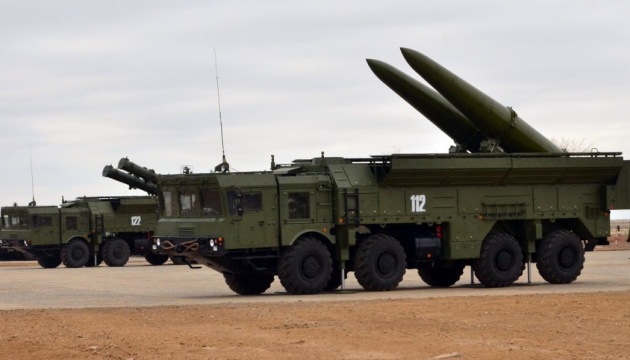
Photo: Ukrinform UA
At a glance
- Ukrainian forces struck an Iskander missile system in Crimea.
- The operation targeted multiple Russian installations, including radar and air defense systems.
- Significant intelligence support from local resistance groups facilitated these attacks.
- Ongoing assessments address the extent of damage to Russian military assets.
- This effort is part of Ukraine's broader strategy to reclaim occupied territories.
Why it matters
These strikes demonstrate Ukraine's resolve to diminish Russia's military capabilities in occupied territories. Targeting advanced systems like the Iskander and S-300 could shift the balance in ongoing military confrontations.
https://www.ukrinform.ua/rubric-ato/4101573-zsu-urazili-v-krimu-na-doneccini-vorozu-puskovu-ustanovku-iskander-rls-nebou-ta-s300.html
What Happened
On March 14, 2026, Ukraine's armed forces executed a military operation against Russian military installations. The General Staff of the Armed Forces of Ukraine reported precise strikes on an Iskander operational-tactical missile system located near Vysheve in Crimea.
The operation extended to enemy units in the Kurortne area, where additional Iskander missile systems were situated. Ukrainian forces also targeted the Nebo-U radar station and S-300 air defense systems in the Gvardiyske area of Crimea and near Sadove in the Donetsk region.
Key Details
The strikes affected multiple command and observation points operated by Russian forces. Notably, Ukrainian Special Operations Forces located and attacked an Iskander launcher storage site in Kurortne, aided by intelligence from local resistance groups.
Reports indicated secondary explosions as a result of these strikes, highlighting their considerable impact. This operation aligns with Ukraine's broader strategy to disrupt Russian military capabilities and address threats from advanced missile systems.
Background
The Ukrainian military's focus has shifted toward high-value targets critical to Russia's military infrastructure. Assessments of damage and Russian losses are ongoing.
Ukrainian officials have previously noted that the destruction of military equipment supports efforts to reclaim occupied territories and enhance national security. These operations are essential parts of Ukraine's campaign against Russian aggression, maintaining pressure on Russian military capabilities and potentially altering the power dynamics in the region with continued international support.
Source: Ukrinform UA
This report is maintained as a live newsroom article. Headlines and top paragraphs may be tightened when fresh reporting changes the clearest angle.
Newsletter
Get the next breaking Ukraine update
Receive the fastest lead, key facts, and follow-up links in one concise newsroom note.
Breaking format
The lead carries the core fact first.
Key figures and locations stay near the top.
Related coverage tracks the same reporting line.