News report
Ukraine Naval Forces Explain Challenges of Intercepting Drones Over...
Ukrainian Naval Forces have reported increased difficulty in intercepting Russian drones launched from the sea. This information was shared by spokesperson Dmytro Pletenchuk during a recent television appearance.
Share this article
Share to social platforms, or copy the article link and share text manually.
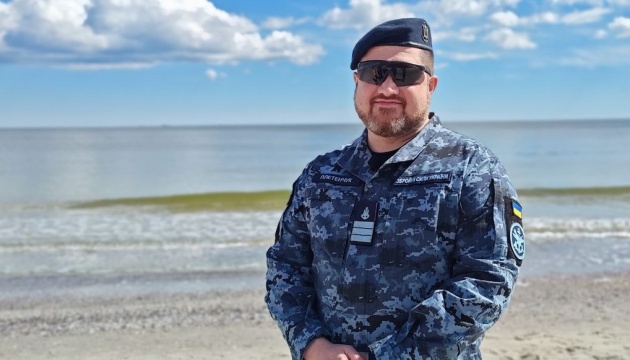
Photo: Ukrinform EN
At a glance
- Russian forces use maritime routes for drone launches.
- Intercepting drones over the sea presents unique challenges.
- Mobile fire units find it difficult to operate effectively in maritime conditions.
- Drone attacks are aimed at targeting Ukrainian port structures.
- Debris from drones can impact civilian areas.
Why it matters
The difficulty in intercepting drones over the sea emphasizes the complexities in Ukraine's air defense strategy. As Russia intensifies these tactics, protecting key infrastructure remains crucial for Ukraine's stability.
https://www.ukrinform.net/rubric-ato/4131604-naval-forces-spokesperson-explains-why-russian-drones-harder-to-shoot-down-over-sea.html
What Happened
Ukrainian Naval Forces spokesperson Dmytro Pletenchuk explained on television why Russian drone attacks launched over the sea present a significant challenge for interception. According to Pletenchuk, the mobile fire units used by Ukraine face operational difficulties in the maritime environment, where conditions are less predictable compared to land.
The naval spokesperson indicated that these drone attacks are often directed at Ukrainian port infrastructure and that intercepting these kamikaze drones when they enter from the sea is a deliberate strategy by Russian forces. He noted that the constant instability of the sea complicates defensive measures, as it is not feasible to surround cities like Odesa with mobile fire units from the water's edge.
Key Details
Pletenchuk highlighted the following critical points regarding the drone attacks: 1. Russian forces prefer maritime routes for drone launches due to interception challenges. 2. Mobile fire units struggle to counter aerial threats effectively over water.
- The unpredictability of sea conditions hampers defensive capabilities. 4. Drone attacks primarily target Ukrainian port infrastructure. 5. Debris from intercepted drones can impact urban areas.
- Recent drone attacks have seen fluctuating intensity levels.
Why It Matters
Understanding the tactics employed by Russian forces informs Ukraine's defensive strategies. The challenges of maritime interceptions may lead to a reevaluation of resources dedicated to air defense in coastal regions. As drone attacks continue, protecting critical infrastructure remains a priority for Ukraine.
Background
The use of drones in military conflicts has increased significantly in recent years. In Ukraine, Russian forces have exploited various methods to launch these attacks, generating ongoing concerns for both military and civilian safety.
The situation is exacerbated by the proximity of conflict zones to critical urban areas and infrastructure. As reported by numerous sources, including a prior analysis by the Center for National Resistance, the complexities of drone warfare continue to influence military operations in the region.
Pletenchuk also indicated that last night's attacks were less intense relative to previous encounters, although the threat level remains high. Russian troops are believed to be utilizing temporary positions in occupied Crimea to launch these drones, underscoring the continued volatility in the region.
Ongoing assessments of drone control in Crimea suggest that both civilian and military challenges will persist as the conflict continues.
Source: Ukrinform EN
This report is maintained as a live newsroom article. Headlines and top paragraphs may be tightened when fresh reporting changes the clearest angle.
Newsletter
Get the next major Ukraine report
Follow the strongest verified developments with a cleaner newsroom brief and direct follow-up coverage.
Report format
Fast lead first, then fuller context.
Source photo stays distinct from any illustration.
Related coverage stays inside the same reporting thread.