News report
Sweden Confiscates Ship Carrying Stolen Ukrainian Grain
Sweden has confiscated the cargo ship Caffa for carrying stolen Ukrainian grain. The Ukrainian government is urging for systematic enforcement of similar measures to combat illegal exports from occupied territories.
Share this article
Share to social platforms, or copy the article link and share text manually.
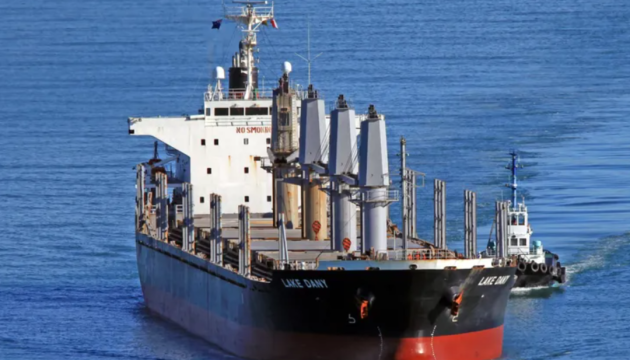
Photo: Ukrinform EN
At a glance
- Sweden confiscated the cargo ship Caffa for carrying stolen Ukrainian grain.
- The ship was subject to Ukrainian sanctions and sailing under a false flag.
- One crew member has been charged with violating maritime law.
- Ukraine is targeting Russia's shadow fleet to combat illegal grain exports.
- Vlasiuk called for expanded enforcement against such vessels.
Why it matters
This confiscation sets a precedent in enforcing sanctions against illegal exports from occupied territories, reinforcing Ukraine's efforts to safeguard its resources. It highlights the necessity for international cooperation in addressing maritime violations linked to the conflict.
https://www.ukrinform.net/rubric-economy/4118316-sweden-confiscates-ship-carrying-stolen-ukrainian-grain-presidents-office-calls-for-expanding-such-measures.html
What Happened
On March 6, 2026, Sweden's coast guard detained the cargo ship Caffa in the Baltic Sea near Trelleborg. The ship, under Ukrainian sanctions, was suspected of violating international shipping laws and was sailing under a false flag.
According to reports, one crew member has been charged with breaching national and international law, while the majority of the 11-member crew are Russian nationals. Following the detention, Sweden’s prosecutor's office has made a decision to confiscate the Caffa.
The ship was en route to St. Petersburg when it was intercepted, marking a significant step in dealing with the unlawful export of Ukrainian resources.
Key Details
Vladyslav Vlasiuk, Ukraine's Commissioner for Sanctions Policy, emphasized that Sweden's action sets an important precedent for enforcement of sanctions against Russia's shadow fleet, which is engaged in the illicit export of Ukrainian grain from territories currently occupied by Russia. Vlasiuk described the confiscation as a shift in approach that goes beyond mere detention, labeling it a decisive legal measure against international shipping violations linked to the conflict.
Vlasiuk pointed out that ships previously faced only inspections or temporary detentions, but confiscation of such vessels changes the dynamics entirely. He noted that Ukraine is committed to dismantling operations involving the shadow fleet by identifying vessels, operators, and logistical routes utilized by Russia to these ends.
This includes monitoring suspicious practices such as transponder shutdowns or cargo transfers at sea. The confiscation of the Caffa is a reflection of broader international efforts, with Vlasiuk asserting that Ukraine will seek to hold accountable those attempting to export and sell stolen Ukrainian grain.
He urged for expanded actions, targeting individual vessels and the shadow fleet collectively, as part of a principled stand against such illegal activities.
Why It Matters
The confiscation of the Caffa not only disrupts one instance of grain theft but signifies a robust legal approach towards enforcing sanctions and protecting Ukrainian resources. By establishing better enforcement mechanisms, Ukraine aims to send a clear message that illegal exports will face legal consequences.
The situation also illustrates the international community's growing role in preventing Russia's exploitation of resources from occupied territories. Continued vigilance and systematic actions are crucial for supporting Ukraine’s sovereignty in these challenging times.
Background
The illegal export of Ukrainian resources has been a focal point of conflict amid Russia's ongoing military actions in the region. The shadow fleet, a term used to describe the network of vessels utilized to smuggle goods from occupied Ukrainian regions, has been a significant challenge for Ukraine.
The international response has evolved, with countries like Sweden stepping forward to implement stricter measures against vessels involved in these activities. This latest development represents a strategic step in reinforcing legal actions aimed at safeguarding Ukraine's agricultural assets and ensuring accountability at multiple jurisdictional levels.
Source: Ukrinform EN
This report is maintained as a live newsroom article. Headlines and top paragraphs may be tightened when fresh reporting changes the clearest angle.
Newsletter
Get the next major Ukraine report
Follow the strongest verified developments with a cleaner newsroom brief and direct follow-up coverage.
Report format
Fast lead first, then fuller context.
Source photo stays distinct from any illustration.
Related coverage stays inside the same reporting thread.