News report
SSU Issues Suspicion Notices to 12 Collaborators in Donetsk
The Security Service of Ukraine (SSU) has issued suspicion notices to 12 individuals in the occupied Donetsk region. The suspects allegedly cooperated with the enemy while serving as 'deputies.'
Share this article
Share to social platforms, or copy the article link and share text manually.
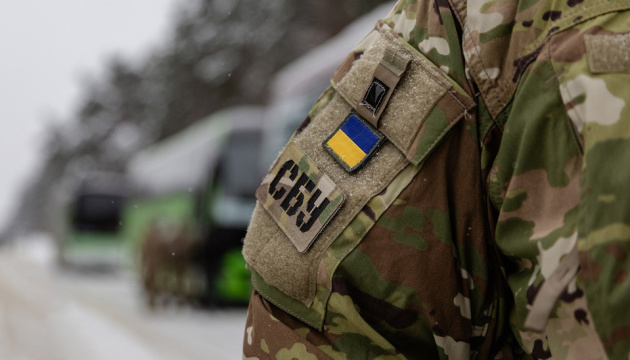
Photo: Ukrinform EN
At a glance
- SSU issues suspicion notices to 12 individuals cooperating with enemy.
- Suspects elected as 'deputies' in occupied city councils.
- Collaboration actions classified under Ukraine's Criminal Code.
- Facilitated operations for the terrorist organization DPR.
- Legal consequences may include lengthy imprisonment.
Why it matters
The SSU's efforts to document and prosecute collaborators highlight ongoing challenges posed by the occupation. Addressing collaboration is crucial for restoring governance and sovereignty in occupied regions.
https://www.ukrinform.net/rubric-ato/4128717-ssu-announces-suspicion-notices-against-12-more-deputies-from-occupied-donetsk-region.html
What Happened
On May 30, 2026, the SSU confirmed that it had identified and documented the illegal activities of 12 residents from the occupied territories of Donetsk who were serving in illegal government roles. These individuals have been cooperating with pro-Russian forces and functioning as 'deputies' in local councils after being elected through unlawful processes.
Key Details
According to a Facebook statement from the SSU's Main Directorate for the Donetsk and Luhansk regions, these suspects played significant roles in the local governance structure established by the occupying forces. They were elected to city councils in various towns including Donetsk, Horlivka, Amvrosiivka, Shakhtarsk, Volnovakha, Yenakiieve, Yasynuvata, Torez, and Snizhne.
The individuals facilitated operations for the self-proclaimed Donetsk People's Republic (DPR) and ran for positions under the pro-Kremlin political party 'United Russia.' The SSU stated that these actions were aimed at maintaining the illusion of a functioning government in areas under Russian control. In legal terms, the SSU has classified these actions as collaboration under Part 5 of Article 111-1 of Ukraine’s Criminal Code.
This classification allows for severe legal consequences, including the potential for lengthy imprisonment.
Why It Matters
The SSU's actions demonstrate ongoing efforts to address collaboration with enemy forces in occupied regions.
Background
Collaboration with occupying forces in Ukraine has been a contentious issue since the annexation of Crimea in 2014 and the subsequent conflict in eastern Ukraine. Reports from the SSU in recent years have increasingly highlighted the necessity of pursuing legal actions against those who conspire with enemy entities to undermine Ukrainian sovereignty.
Previous actions by the SSU include the sentencing of 11 individuals for their roles in actively fighting against Ukrainian forces, with sentences reaching up to 15 years in prison. The continuous identification and prosecution of collaborators highlight the ongoing challenges Ukraine faces in reclaiming occupied territories and restoring effective governance in these areas.
Source: Ukrinform EN
This report is maintained as a live newsroom article. Headlines and top paragraphs may be tightened when fresh reporting changes the clearest angle.
Newsletter
Get the next major Ukraine report
Follow the strongest verified developments with a cleaner newsroom brief and direct follow-up coverage.
Report format
Fast lead first, then fuller context.
Source photo stays distinct from any illustration.
Related coverage stays inside the same reporting thread.