News report
Shahed Drones Use Tele2 SIM Cards Despite Roaming Blocks in Ukraine
Ukrainian officials have disclosed that Russian Shahed drones are equipped with Tele2 SIM cards, whose roaming services are blocked in Ukraine. The information was provided by Serhii 'Flash' Beskrestnov, an adviser to the Minister of Defense.
Share this article
Share to social platforms, or copy the article link and share text manually.
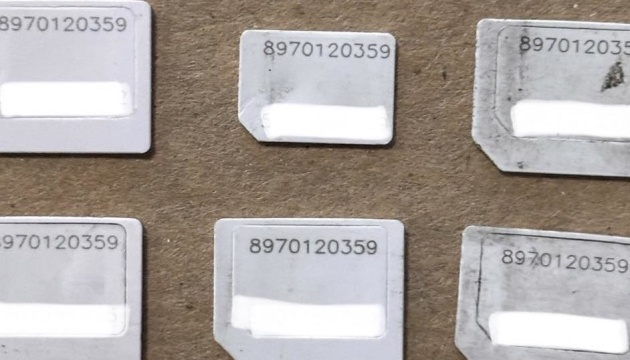
Photo: Ukrinform EN
At a glance
- Russian Shahed drones equipped with Tele2 SIM cards.
- Roaming for Tele2 cards is blocked in Ukraine.
- Drones can connect via Belarusian, Polish, or Romanian networks.
- Beskrestnov calls for re-evaluation of international ties with Tele2.
- Drone tactics are evolving to target Ukrainian mobile command efforts.
Why it matters
The discovery of Tele2 SIM cards in Russian drones reveals critical vulnerabilities in countering aerial threats. Addressing these issues through international cooperation is vital to limiting Russian military capabilities.
https://www.ukrinform.net/rubric-ato/4113902-russian-shahed-drones-equipped-with-sim-cards-whose-roaming-blocked-in-ukraine-flash.html
What Happened
Ukrainian defense authorities have reported that Russian Shahed-type drones are utilizing SIM cards from the Russian telecommunications operator Tele2. This revelation was made by Serhii Beskrestnov, who serves as an adviser to Ukraine's Minister of Defense, during a recent statement on social media.
Tele2's roaming services in Ukraine are currently blocked, raising questions about how these drones maintain communication.
Key Details
Beskrestnov stated that each drone is outfitted with a Tele2 SIM card. He indicated that while roaming for these cards is disabled in Ukraine, they can gain connectivity near the borders, particularly via Belarusian, Polish, or Romanian operators.
This suggests a strategic use of overseas infrastructure to bypass restrictions. The adviser emphasized the active role Tele2 plays in facilitating operations against Ukraine. He pointed out that these SIM cards are specially ordered by the operator for use by the manufacturers of the Shahed drones, indicating a supply chain integration for military purposes.
Additionally, Beskrestnov implied that the same technology might be deployed to control drones in other countries, not just Ukraine. In light of these findings, Beskrestnov urged telecommunications companies worldwide to reevaluate their business relationships with Tele2.
He advocated for the termination of roaming agreements and interconnections that could support Russian military activities. He labeled Tele2 as a purely domestic player, suggesting that its operations should be limited to within Russia, detached from international market engagements.
In recent advancements, it was also reported that Russian forces have begun utilizing guided Shahed drones to engage Ukrainian mobile fire groups actively. This indicates an escalation in tactics as the conflict continues.
Why It Matters
The use of Tele2 SIM cards by Russian drones underscores the ongoing adaptation of military strategies in the conflict. Disrupting these communication pathways could be crucial in minimizing the effectiveness of drone operations against Ukrainian targets. This situation also highlights the importance of international cooperation in addressing the involvement of telecommunications firms in military applications.
Background
The Russian military's reliance on unmanned aerial vehicles, particularly the Shahed drones, has grown significantly since the onset of the conflict. These drones have been employed for various operational roles, including reconnaissance and direct attacks on Ukrainian infrastructure.
The adaptation of technologies like SIM cards from domestic operators plays a pivotal role in maintaining drone functionality despite countermeasures taken by Ukraine. As concerns about the security implications of these advancements rise, the call for action against suppliers involved in military operations has gained traction within Ukrainian defense circles.
Source: Ukrinform EN
This report is maintained as a live newsroom article. Headlines and top paragraphs may be tightened when fresh reporting changes the clearest angle.
Newsletter
Get the next major Ukraine report
Follow the strongest verified developments with a cleaner newsroom brief and direct follow-up coverage.
Report format
Fast lead first, then fuller context.
Source photo stays distinct from any illustration.
Related coverage stays inside the same reporting thread.