News report
Russian Forces Drop Nearly 8,000 Glide Bombs on Ukraine in March
In March 2026, Russian forces significantly escalated their aerial bombardment of Ukraine, deploying 7,987 guided aerial bombs, according to the Ukrainian Defense Ministry. This figure exceeds February's count by more than 1,500.
Share this article
Share to social platforms, or copy the article link and share text manually.
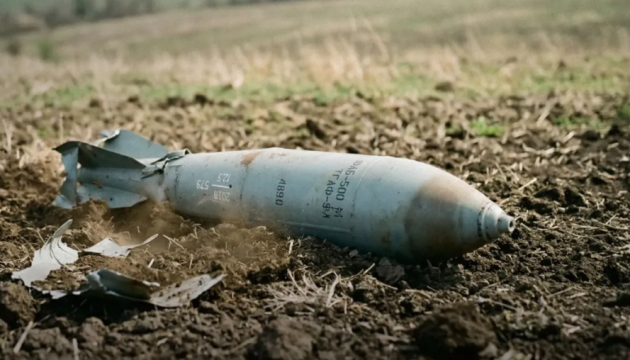
Photo: Ukrinform EN
At a glance
- In March 2026, Russia dropped 7,987 guided aerial bombs on Ukraine.
- This marked an increase of over 1,500 from February's totals.
- There were 4,985 combat engagements reported in March.
- The highest engagement day saw 286 clashes on March 17.
- Russian forces conducted over 115,000 artillery strikes in March.
Why it matters
The significant rise in glide bomb usage indicates an intensification of hostilities, heightening concerns over both military and civilian safety in Ukraine. Understanding these patterns is crucial for gauging future developments in the conflict.
https://www.ukrinform.net/rubric-ato/4108997-russian-forces-drop-nearly-8000-glide-bombs-on-ukraine-in-march-defense-ministry.html
What Happened

In March 2026, Russian military forces ramped up their airstrike activity against Ukraine, notably using guided aerial bombs (GABs). The Ukrainian Ministry of Defense reported that a total of 7,987 GABs were deployed during this month, which represents a substantial increase from February's totals.
Key Details
The monthly increase in GAB usage was highlighted as over 1,500 more than February, which itself had been a record month for such bombings. The General Staff of the Armed Forces of Ukraine emphasized the ongoing intensity of combat, with a total of 4,985 combat engagements reported for March.
The peak of these skirmishes occurred on March 17, when 286 clashes were documented. Besides aerial bombardments, Russian forces conducted extensive artillery operations throughout March, executing over 115,000 artillery strikes.
This included 2,834 strikes from multiple launch rocket systems, indicating a diverse and sustained offensive strategy against Ukrainian positions. As reported by Ukrinform, the escalation in Russian bombardment occurs alongside ongoing casualties for the Russian side, with Ukrainian President Volodymyr Zelensky noting that Russia suffered over 35,000 losses in March, marking the highest monthly losses since the onset of the conflict.
Why It Matters
The increase in GAB usage reflects a strategic escalation in the Russian offensive, which may have significant implications for the conflict's progression. As combat escalates, the humanitarian and military challenges for Ukraine also become more pronounced.
Background
The situation in Ukraine has remained tense since the start of the conflict, with both sides experiencing fluctuating levels of engagement. The use of glide bombs marks a notable shift in tactics, emphasizing the Russian strategy of applying pressure through advanced weaponry.
The months leading up to March had already witnessed heightened military activity, setting the stage for the recent escalation. This latest report from the Ministry of Defense serves as a critical update on the ongoing conflict, illustrating how militarization continues to shape the dynamics of the war in Ukraine.
Source: Ukrinform EN
This report is maintained as a live newsroom article. Headlines and top paragraphs may be tightened when fresh reporting changes the clearest angle.
Newsletter
Get the next major Ukraine report
Follow the strongest verified developments with a cleaner newsroom brief and direct follow-up coverage.
Report format
Fast lead first, then fuller context.
Source photo stays distinct from any illustration.
Related coverage stays inside the same reporting thread.