News report
Russia Limits Access to Western Social Media in Occupied Ukraine
Russian forces have restricted access to Western social media in occupied Ukrainian territories, according to the National Resistance Center. This aims to control information and limit global connectivity.
Share this article
Share to social platforms, or copy the article link and share text manually.
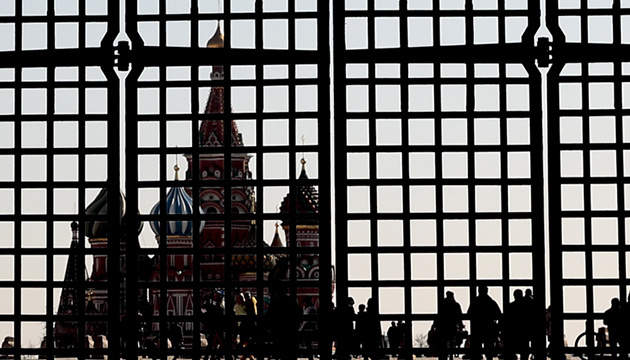
Photo: Ukrinform EN
At a glance
- Russian forces systematically restrict Western social media access in occupied Ukraine.
- The 'TSPU' system allows real-time internet traffic filtering without user awareness.
- Available information is primarily from Kremlin-controlled sources, limiting diverse viewpoints.
- Young residents face substantial harm, losing connections with global educational resources.
- The internet is being reshaped into a tool of censorship and propaganda.
Why it matters
Restrictions on social media severely limit residents' access to diverse viewpoints, crucial for informed citizenry. The shift to a controlled information ecosystem affects both individual freedoms and the cultural fabric of society.
https://www.ukrinform.net/rubric-society/4106737-russia-restricts-access-to-western-social-media-in-occupied-territories-national-resistance-center.html
What Happened
In areas of Ukraine currently under Russian occupation, access to Western social media platforms has been systematically limited. The National Resistance Center reported on March 30, 2026, that these actions are part of a broader strategy to control information among residents in these territories.
Key Details
The National Resistance Center describes the 'TSPU' system as the cornerstone of this control. This technical system allows for the centralized filtering of internet traffic by providers in the occupied regions.
It enables the real-time blocking of websites, often without the users' awareness. This comprehensive filtering has transformed the internet in these areas into a closed environment where available information is heavily censored.
The primary sources of information now come from Kremlin-controlled media, with dissenting views almost entirely eliminated. Content is filtered even before it reaches users, effectively censoring any alternative narratives.
Young people are particularly affected by these restrictions. They face diminished access to educational and cultural resources that are usually available online. Instead, they are exposed to localized propaganda, which alters their understanding of the broader world.
Why It Matters
These restrictions hinder the flow of information and limit personal freedoms in the occupied territories of Ukraine. By creating a 'digital fortress,' Russian authorities are turning the internet into a tool of oppression, fostering an environment where manipulation, rather than a free exchange of ideas, predominates.
Background
The ongoing conflict in Ukraine has seen various attempts by occupying forces to control narratives and access to information. Reports suggest that regulations on internet use are not isolated incidents but part of a larger strategy to maintain control over the population in occupied areas.
The National Resistance Center's observations reflect continued efforts to restrict external influences and promote government-sanctioned information instead. The situation highlights the ongoing consequences of the war for daily life and access to information in occupied Ukraine.
Source: Ukrinform EN
This report is maintained as a live newsroom article. Headlines and top paragraphs may be tightened when fresh reporting changes the clearest angle.
Newsletter
Get the next major Ukraine report
Follow the strongest verified developments with a cleaner newsroom brief and direct follow-up coverage.
Report format
Fast lead first, then fuller context.
Source photo stays distinct from any illustration.
Related coverage stays inside the same reporting thread.