News update
Possible Energy Deficit Forecasted for Summer 2026 in Ukraine
Ukraine's energy system may encounter a deficit this summer under moderate temperature conditions, as reported by DiXi Group. The forecast suggests a possible shortfall of up to 1 GW during periods of low solar energy generation.
Share this article
Share to social platforms, or copy the article link and share text manually.
Developing story
This page is updated as verified details move. The lead and top sections are tightened first when the clearest confirmed angle changes.
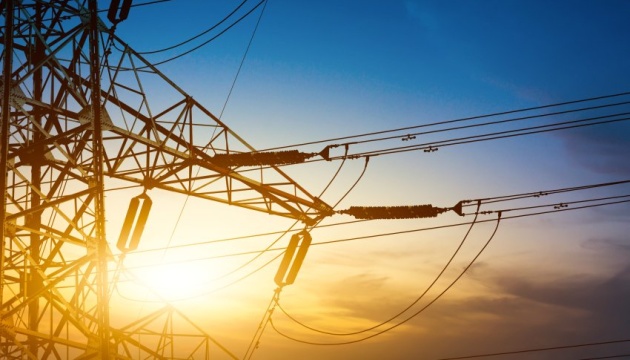
Photo: Ukrinform UA
At a glance
- Potential energy deficit of up to 1 GW in summer 2026.
- Deficit forecast based on moderate temperatures and no Russian attacks.
- Peak consumption could reach 14.5 GW during hot summer days.
- Emergency assistance of up to 250 MW may be necessary.
- Second scenario predicts 846 hours of potential restrictions on power use.
Why it matters
Anticipating energy deficits is critical for ensuring energy security. As Ukraine faces a challenging summer, understanding these risks can assist in planning effective contingency measures to stabilize the energy grid.
https://www.ukrinform.ua/rubric-economy/4132181-za-pomirnogo-scenariu-vlitku-mozlivij-nevelikij-deficit-v-energosistemi-dixi-group.html
What Happened
According to a recent discussion led by Mikhail Babiychuk of DiXi Group, Ukraine's energy system may face a slight deficit during the summer of 2026. This projection is based on moderate temperature scenarios and assumes there will be no significant Russian attacks during this period. The insights were shared during an online event titled "Energy Security Talks: Summer Outlooks," as reported by Ukrinform.
Key Details
DiXi's analysis suggests that if summer temperatures remain moderate and the energy infrastructure remains intact, the country could see a shortage of electricity generation capacities. Specifically, solar energy generation would likely be at its lowest during peak hours, potentially resulting in a deficit of up to 1 GW.
The report indicates that during peak consumption periods, the demand could reach 14.5 GW, with the anticipated deficit manifesting for about 5% of the time, translating to approximately 60-90 hours throughout the summer. In response to critical demands, emergency assistance of up to 250 MW may be utilized.
Babiychuk emphasized that under these moderate conditions, approximately 0.9 GW of the consumption could be offset by renewable energy sources. Additionally, he pointed out that the availability of nuclear power would be limited, with only 4.5-5 GW expected to be online due to maintenance activities.
Why It Matters
The ability to meet energy demand is crucial for maintaining stability in Ukraine, particularly amid ongoing military threats. Understanding potential deficits helps in creating strategies to mitigate risks and ensure that the population remains supplied with necessary electricity, especially during the summer heat.
Background
Babiychuk outlined three scenarios for the summer energy outlook. The first scenario, assuming moderate temperatures and no attacks, leads to a manageable deficit. The second scenario predicts a hot summer without Russian aggression, resulting in increased energy demand and potential restrictions on consumption for about 846 hours from June to August.
In the third scenario, if severe heat combined with further damages from Russian attacks occurs, the probability of losing power loads could skyrocket to nearly 100%. The extent of energy unavailability would depend on the impact and timing of potential attacks.
This analysis aligns with the broader considerations for energy resilience in the context of ongoing geopolitical tensions in the region. Previous estimates by experts indicate that temperatures above 35 degrees Celsius this summer may lead to minor consumption limitations, although it remains uncertain how these could impact residential users.
Source: Ukrinform UA
This report is maintained as a live newsroom article. Headlines and top paragraphs may be tightened when fresh reporting changes the clearest angle.
Newsletter
Get the next Ukraine update
Track the latest policy, diplomacy, aid, and security changes without losing the thread.
Update format
This template prioritizes developments over recap.
Context stays short and tied to the current turn in the story.
The page is designed for repeat readers checking what changed.