News update
Ukraine-EU Energy Market Integration Timeline Revealed
The Ukrainian Parliament has disclosed a timeline for integrating the country's energy market with the European Union. This initiative, signed into law by President Volodymyr Zelenskyy, aims to alleviate electricity shortages.
Share this article
Share to social platforms, or copy the article link and share text manually.
Developing story
This page is updated as verified details move. The lead and top sections are tightened first when the clearest confirmed angle changes.
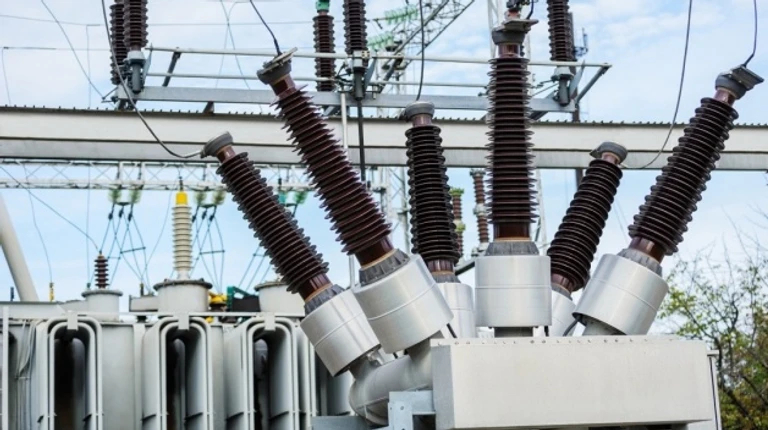
Photo: Ukrainska Pravda EN
At a glance
- New law facilitates integration of Ukrainian and EU energy markets.
- Imports from EU will be streamlined, reducing current complex procedures.
- Ukraine can import electricity with next-day requests starting 2028.
- European companies will gain easier access to the Ukrainian market.
- Full market integration expected by 2028, with increased competition benefitting consumers.
Why it matters
The integration presents an opportunity for Ukraine to bolster its energy security through enhanced competition and reliability in electricity supply. Improved import processes will also attract European investments into Ukraine's energy sector.
https://www.pravda.com.ua/eng/news/2026/06/07/8038177/
What Happened
On June 7, 2023, the Ukrainian Parliament detailed the timeline set forth in a new law aimed at integrating Ukrainian and EU energy markets. This legislation, recently approved by President Volodymyr Zelenskyy, seeks to address existing electricity deficits within Ukraine.
According to Andrii Herus, the head of the Verkhovna Rada's energy committee, this step marks Ukraine's entry into a broader European energy market.
Key Details
The new law is designed to simplify the procedures for importing electricity from the EU. Currently, Ukraine can purchase electricity but must navigate complex auction processes to find suppliers.
The law will streamline these processes, allowing for quicker and more efficient imports. From 2028 onwards, Ukraine will be able to import electricity with next-day requests, significantly reducing the time lag that currently exists in the importation of electricity.
Herus indicated that these reforms would also allow European companies to enter the Ukrainian energy market more easily. As competition increases with the influx of new suppliers, the market dynamics are expected to shift in favor of consumers by reducing the control of major players.
The timeline for full implementation spans from 2026 to 2027, culminating in a fully integrated market by 2028. Implementing these changes is seen as critical for meeting the increasing energy needs of Ukraine while lessening reliance on internal generation, especially during periods of operational challenges.
Why It Matters
This integration marks a significant shift in the energy landscape of Ukraine, positioning the country closer to EU standards. Improved import capabilities can help stabilize energy supply during acute shortages and encourage more investment and participation from European energy producers.
Background
The Ukrainian government is concurrently addressing its energy demands through various initiatives, including a tender for the construction of over 1.3 GW of new generating capacity. This is part of the national Resilience Plans aimed at enhancing energy security and efficiency in the country.
Furthermore, provisions are being introduced to establish a national reserve of mobile generating units to support both electricity and heat supply in times of need.
Source: Ukrainska Pravda EN
This report is maintained as a live newsroom article. Headlines and top paragraphs may be tightened when fresh reporting changes the clearest angle.
Newsletter
Get the next Ukraine update
Track the latest policy, diplomacy, aid, and security changes without losing the thread.
Update format
This template prioritizes developments over recap.
Context stays short and tied to the current turn in the story.
The page is designed for repeat readers checking what changed.