Breaking news
No Enemy Activity Near Transnistrian Border, Says Ukrainian Official
Ukrainian border officials report no observed enemy activity near the Transnistrian segment of the border as of May 7, 2026. Despite this, Ukraine is enhancing border fortifications.
Share this article
Share to social platforms, or copy the article link and share text manually.
Developing story
This page is updated as verified details move. The lead and top sections are tightened first when the clearest confirmed angle changes.
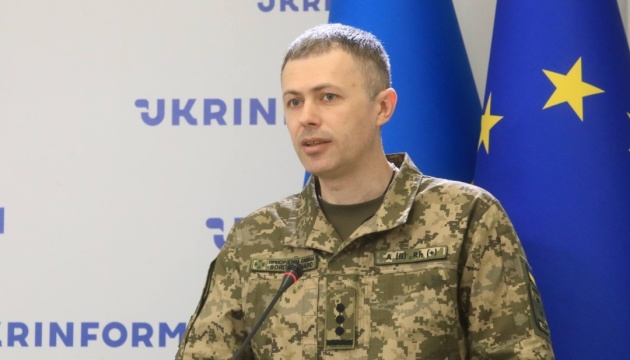
Photo: Ukrinform UA
At a glance
- No enemy activity detected near the Transnistrian border as of May 7, 2026.
- Ukrainian authorities are enhancing border defenses in response to potential threats.
- Russian military presence in Transnistria remains a concern for Ukrainian national security.
- Focus on border security has intensified since 2022 amid rising tensions.
- Andriy Demchenko warns of potential destabilization from minor Russian forces.
Why it matters
The ongoing lack of enemy activity at the Transnistrian border is a critical aspect of Ukraine's security strategy. Strengthening defenses ensures Ukraine can better mitigate potential threats from Russian forces, which could destabilize the region.
https://www.ukrinform.ua/rubric-ato/4120586-aktivnist-voroga-na-dilanci-kordonu-poblizu-pridnistrova-ne-sposterigaetsa-demcenko.html
What Happened

Ukrainian authorities reported a lack of enemy activity along the border with Moldova, specifically in the Transnistrian segment. According to Andriy Demchenko, a spokesperson for the State Border Guard Service of Ukraine (DPSU), there have been no direct movements observed from their territory.
The announcement was made during a television broadcast on May 7, 2026. Following this assessment, Demchenko emphasized that while no significant troop movements are presently noted, the presence of Russian military forces poses an ongoing threat to Ukraine's national security.
He remarked, "This contingent, even though it is minor, could destabilize the situation at any moment.” The border region remains a key area of concern for Ukraine amid ongoing military tensions.
Key Details
Demchenko acknowledged the heightened focus on several border areas since 2022, including not only the segment adjacent to Moldova but also the borders with Russia and Belarus. He stated that all components of Ukraine’s defense forces are actively involved in ensuring that necessary defensive positions are in place to counter potential threats from these regions.
Although calm is reported, Demchenko's comments reflect Ukraine's strategy to maintain vigilance and preparedness. The situation along the Transnistrian border is particularly sensitive given the history of tensions in the area and the ongoing conflict with Russia.
Why It Matters
The situation at the Transnistrian border is crucial for Ukraine's national security, particularly with regard to Russian military activity. Preventive measures, such as strengthening border defenses, serve to deter any potential aggression originating from Transnistria, contributing to overall stability in the region.
Background
The Transnistrian region, a breakaway territory of Moldova with a significant Russian military presence, has been a focal point for international tension. Ukraine’s attention to this area follows several military escalations in the surrounding regions.
High-ranking officials, including the head of the Presidential Office, have previously indicated concerns regarding the safety of Russian troops stationed in Transnistria. The ongoing situation reflects broader geopolitical dynamics influencing Eastern Europe, including Ukraine's proactive defense strategy as it navigates these complex relationships.
Source: Ukrinform UA
This report is maintained as a live newsroom article. Headlines and top paragraphs may be tightened when fresh reporting changes the clearest angle.
Newsletter
Get the next breaking Ukraine update
Receive the fastest lead, key facts, and follow-up links in one concise newsroom note.
Breaking format
The lead carries the core fact first.
Key figures and locations stay near the top.
Related coverage tracks the same reporting line.