Breaking news
Dniester River Contaminated by Russian Attack, Pollution Spills into Moldova
Technical oils have contaminated the Dniester River after a March 10 Russian attack, posing risks to water supplies in both Ukraine and Moldova.
Share this article
Share to social platforms, or copy the article link and share text manually.
Developing story
This page is updated as verified details move. The lead and top sections are tightened first when the clearest confirmed angle changes.
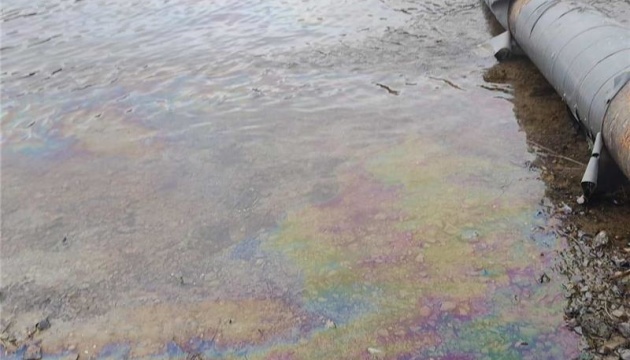
Photo: Ukrinform UA
At a glance
- Technical oils leaked into Dniester due to Russian attacks.
- Contamination has spread to Moldova, affecting local water sources.
- Ukrainian officials consider this an ecological aggression by Russia.
- Emergency services are engaged in pollution control efforts.
- Water quality monitoring is ongoing to assess the contamination's spread.
Why it matters
This incident raises significant concerns regarding environmental safety and cross-border ecological impacts, highlighting ongoing risks posed by military actions. The contamination threatens water supplies for both Ukraine and Moldova, potentially affecting public health and local ecosystems.
https://www.ukrinform.ua/rubric-regions/4100830-dnister-zabrudnenij-pisla-ataki-rf-tehnicni-masla-iz-ges-dijsli-za-tecieu-do-moldovi.html
Contamination Details
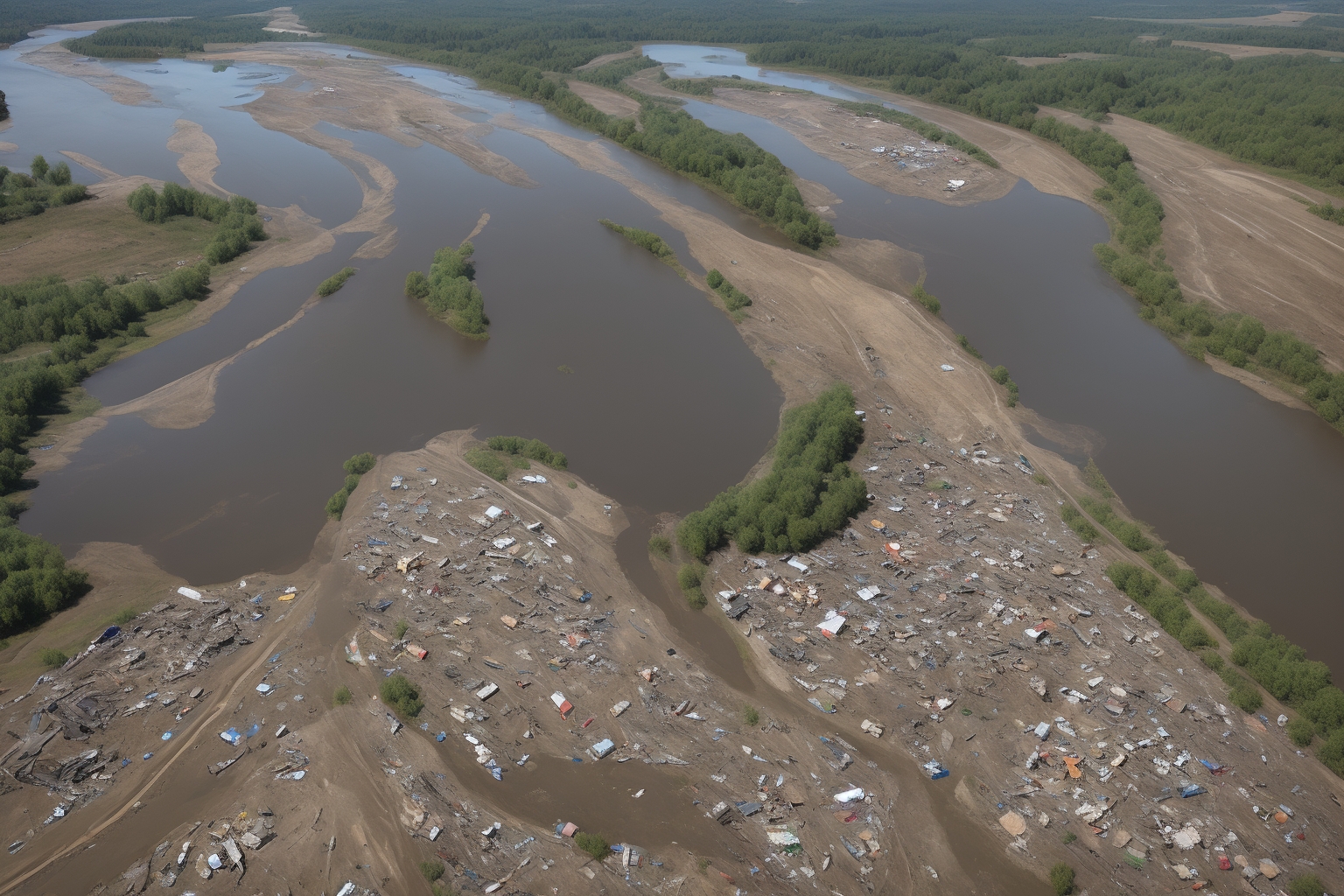
Technical oils were detected in the Dniester River near the village of Lyadova in the Mohyliv-Podilskyi district of Vinnytsia Oblast following a series of Russian rocket and drone attacks on March 10. The pollution has traveled downstream to the village of Naslavcha in Moldova.
Source of Pollution
The contamination is linked to transformer oil leaks from the Dniester Hydroelectric Power Station in Chernivtsi Oblast, resulting from a previous attack on March 7, 2026. The Ministry of Economy, along with the State Emergency Service and local administrations, is consulting on response measures.
Response Efforts
Deputy Minister Iryna Ovcharenko labeled the situation as ecological aggression by Russia, highlighting the transboundary threat to water security. Authorities in both Vinnytsia and Odesa regions are meeting to coordinate actions for managing the disaster and containment of pollutants.
Ukrainian officials have informed their Moldovan counterparts about the pollution, and plans for joint action are underway. Emergency services are expected to erect barriers and use sorbents to contain the oil.
Environmental Impact
Water samples taken on March 10 near the contamination area revealed oily patches, and observations near Kozliv noted a greasy film. Significantly, rainbow-like oil films covered large portions of the river near Nahoryany, where pollution levels exceeded regulatory limits by 2.5 times.
Monitoring Measures
To monitor the extent of contamination, further water samples were collected on March 11 near Odesa’s drinking water intake. An extraordinary meeting of the Dniester Commission was convened on March 12 to align efforts between Ukrainian and Moldovan authorities.
The Dniester River serves as a vital water source for both Odesa and Chișinău, making the pollution a serious threat to public health and the aquatic ecosystem.
Source: Ukrinform UA
This report is maintained as a live newsroom article. Headlines and top paragraphs may be tightened when fresh reporting changes the clearest angle.
Newsletter
Get the next breaking Ukraine update
Receive the fastest lead, key facts, and follow-up links in one concise newsroom note.
Breaking format
The lead carries the core fact first.
Key figures and locations stay near the top.
Related coverage tracks the same reporting line.