News report
Zelensky Responds to Israel's Handling of Stolen Grain Shipment
Ukrainian President Volodymyr Zelensky announced on April 28, 2026, that Ukraine is preparing a sanctions package in response to the arrival of a ship carrying stolen grain from Russia to Israel. This information was reported by Ukrinform.
Share this article
Share to social platforms, or copy the article link and share text manually.
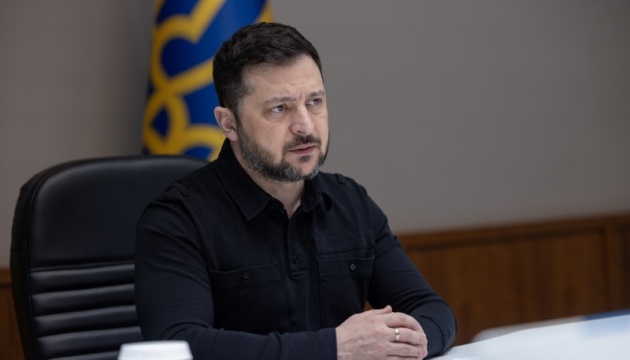
Photo: Ukrinform UA
At a glance
- Zelensky announces sanctions against those transporting stolen grain.
- A ship carrying stolen Russian grain arrived in Israel, raising legal concerns.
- Ukrainian diplomats are actively informing international partners about the situation.
- Israel's government faced criticism for not preventing the vessel's arrival.
- Ukrainian intelligence is involved in the preparation of the sanctions package.
Why it matters
The response from Ukraine emphasizes the legal ramifications of trade in stolen goods and highlights Kyiv's diplomatic steps to maintain international respect. The situation could complicate Ukraine-Israel relations, depending on Israel's actions moving forward.
https://www.ukrinform.ua/rubric-polytics/4117437-zelenskij-vidreaguvav-na-sudna-z-vkradenim-rosieu-zernom-v-izraili-ukraina-gotue-sankcii.html
What Happened
Ukraine is currently formulating a sanctions package targeting both those who transport stolen grain from Russia and those who profit from this trade. On April 28, 2026, President Volodymyr Zelensky addressed the situation via a Facebook post, emphasizing the legal implications associated with acquiring stolen goods.
Zelensky highlighted that another ship carrying stolen grain has arrived at an Israeli port. He stressed the responsibility of Israeli authorities, stating, "The government of Israel cannot be unaware of which ships and what cargo arrive at the country's ports." He further accused Russia of consistently stealing grain from Ukrainian territories under occupation and organizing its transport through individuals associated with the occupiers.
Key Details
In his statement, Zelensky noted: - Israel has not halted the arrival of a ship known to carry stolen Ukrainian grain. - Ukraine made diplomatic efforts to prevent such occurrences.
- Zelensky has instructed the Ministry of Foreign Affairs to inform international partners about the situation and coordinate a response. - Ukrainian intelligence reportedly provided information used to develop the sanctions package.
- Both physical and legal persons involved in the grain transport will be included in the sanctions. On April 12, an incident occurred when a Russian bulk carrier, identified as ABINSK, docked in Haifa with 43,700 tons of wheat from occupied Ukrainian territories.
Following inquiries from Ukraine, Israeli officials communicated that it was too late to detain the vessel as it had already left the port.
Why It Matters
This situation raises critical legal and diplomatic questions regarding international trade in the context of occupied territories. The planned sanctions reflect Ukraine's efforts to curb illegal trade practices and maintain the integrity of international relations, especially with Israel.
Background
The ongoing conflict between Ukraine and Russia has led to systemic looting of Ukrainian agricultural products by Russian forces in occupied areas. The implications of such activities extend beyond bilateral relations, affecting Ukraine's standing in global trade and diplomacy.
Ukraine's Ministry of Foreign Affairs has previously called upon Israel to respect Ukraine's territorial integrity and pursue legal action against those facilitating the trade of stolen goods. As the situation evolves, the repercussions could impact diplomatic relations and economic exchanges between Ukraine and Israel.
Source: Ukrinform UA
This report is maintained as a live newsroom article. Headlines and top paragraphs may be tightened when fresh reporting changes the clearest angle.
Newsletter
Get the next major Ukraine report
Follow the strongest verified developments with a cleaner newsroom brief and direct follow-up coverage.
Report format
Fast lead first, then fuller context.
Source photo stays distinct from any illustration.
Related coverage stays inside the same reporting thread.