News report
Zelensky Promises Sanctions Over Stolen Grain Arriving in Israel
President Volodymyr Zelensky announced intentions to impose sanctions against Israel for accepting vessels carrying stolen Ukrainian grain. This was reported on April 28, 2023.
Share this article
Share to social platforms, or copy the article link and share text manually.
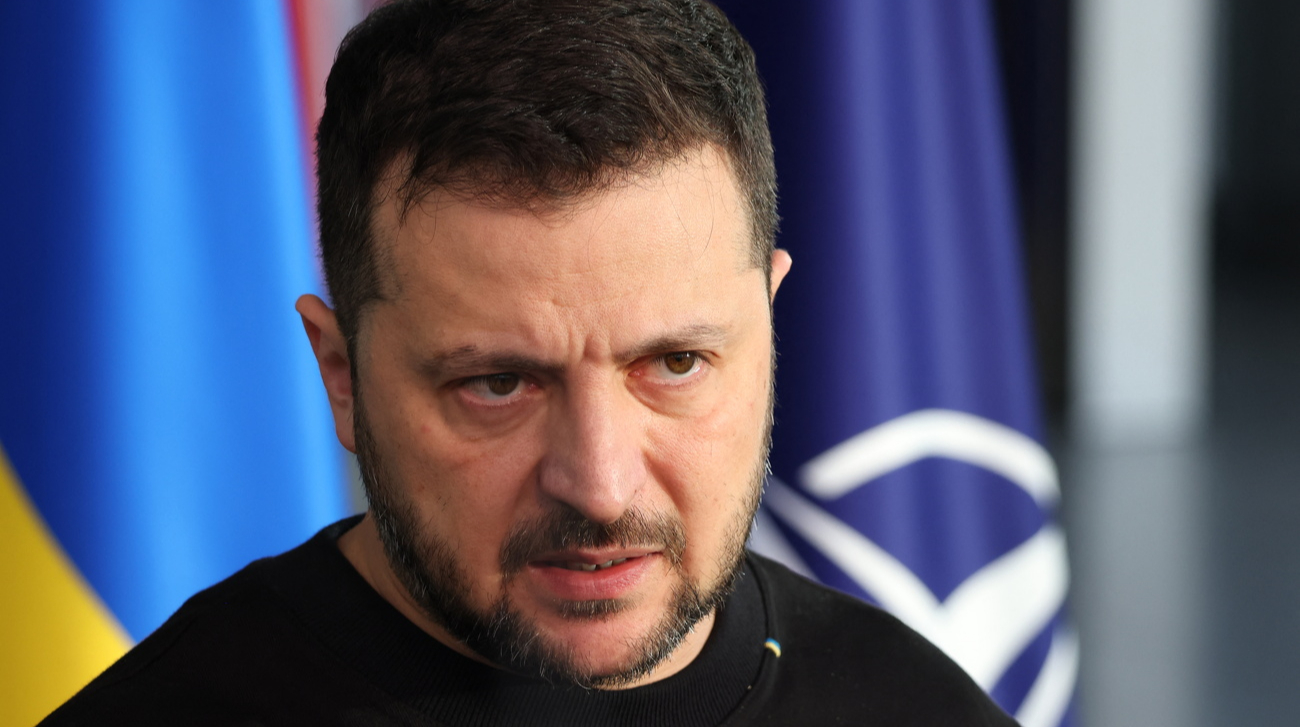
Photo: Ukrainska Pravda UA
At a glance
- Zelensky announced sanctions against Israel over stolen grain shipments.
- Recent arrivals of grain from occupied Ukrainian territories criticized.
- Ministry of Foreign Affairs to inform international partners about the issue.
- Sanctions to target transporters and those profiting from the grain trade.
- Israel's response claims lack of evidence to support Ukraine's claims.
Why it matters
Zelensky's commitment to impose sanctions signals Ukraine's determination to confront international complicity in the grain theft. The incident complicates Israel-Ukraine relations, as it urges other nations to consider their stance on such matters.
https://www.pravda.com.ua/news/2026/04/28/8032162/
What Happened
President Volodymyr Zelensky criticized Israel for allowing vessels carrying grain stolen by Russia to dock at its ports. He stated that Ukraine is preparing sanctions against all parties involved in this issue, aiming to hold them accountable for their actions.
Zelensky made the announcement via social media, emphasizing the legal implications of importing stolen goods. He specifically referred to the latest shipment of stolen grain arriving at an Israeli port, stating, "This is not and cannot be pure business."
Key Details
Zelensky pointed out that Russia has been systematically confiscating grain from temporarily occupied regions of Ukraine and exporting it. He stated that such practices violate the laws of Israel itself and that Ukraine has taken diplomatic steps to prevent such transactions.
Despite these efforts, he claimed that the most recent shipment was not intercepted. Zelensky instructed the Ukrainian Ministry of Foreign Affairs to inform all of Ukraine's partners about the situation, asserting that this should not be tolerated by Israel.
Zelensky highlighted plans to formulate a sanctions package based on intelligence information, which would target not only those directly transporting the grain but also individuals and organizations profiting from these criminal activities. Furthermore, he noted that Ukraine is coordinating its actions with European partners to ensure these individuals are included in European sanctions regimes.
Why It Matters
The acceptance of stolen Ukrainian grain by Israel raises significant diplomatic tensions between the two nations. Zelensky's call for sanctions indicates a firm stand against international complicity in the illegal grain trade, potentially influencing Ukraine's relationships with other nations involved.
This latest development reflects the ongoing impact of the conflict on global trade and highlights the complexities surrounding agricultural goods in war-afflicted Ukraine.
Background
It was reported that a ship named PANORMITIS arrived at the Israeli port of Haifa, believed to be carrying grain from occupied Ukrainian territories. In response to this news, the Ukrainian Ministry of Foreign Affairs summoned the Israeli ambassador to deliver a formal protest.
Israeli Foreign Minister Gidon Saar responded by stating that his country has not received evidence to support Ukraine's allegations and that Israel will act according to the law regarding the issue. Ukraine has continuously advocated for international support to address the seizure of its agricultural products amidst ongoing hostilities, emphasizing the importance of combating such illegal practices on the international front.
Source: Ukrainska Pravda UA
This report is maintained as a live newsroom article. Headlines and top paragraphs may be tightened when fresh reporting changes the clearest angle.
Newsletter
Get the next major Ukraine report
Follow the strongest verified developments with a cleaner newsroom brief and direct follow-up coverage.
Report format
Fast lead first, then fuller context.
Source photo stays distinct from any illustration.
Related coverage stays inside the same reporting thread.