News report
US House Passes Bill for Military Aid to Ukraine and New Sanctions
On June 5, 2026, the US House of Representatives approved legislation providing military aid to Ukraine and imposing new sanctions on Russia. The decision came despite opposition from President Trump, as reported by The Hill.
Share this article
Share to social platforms, or copy the article link and share text manually.
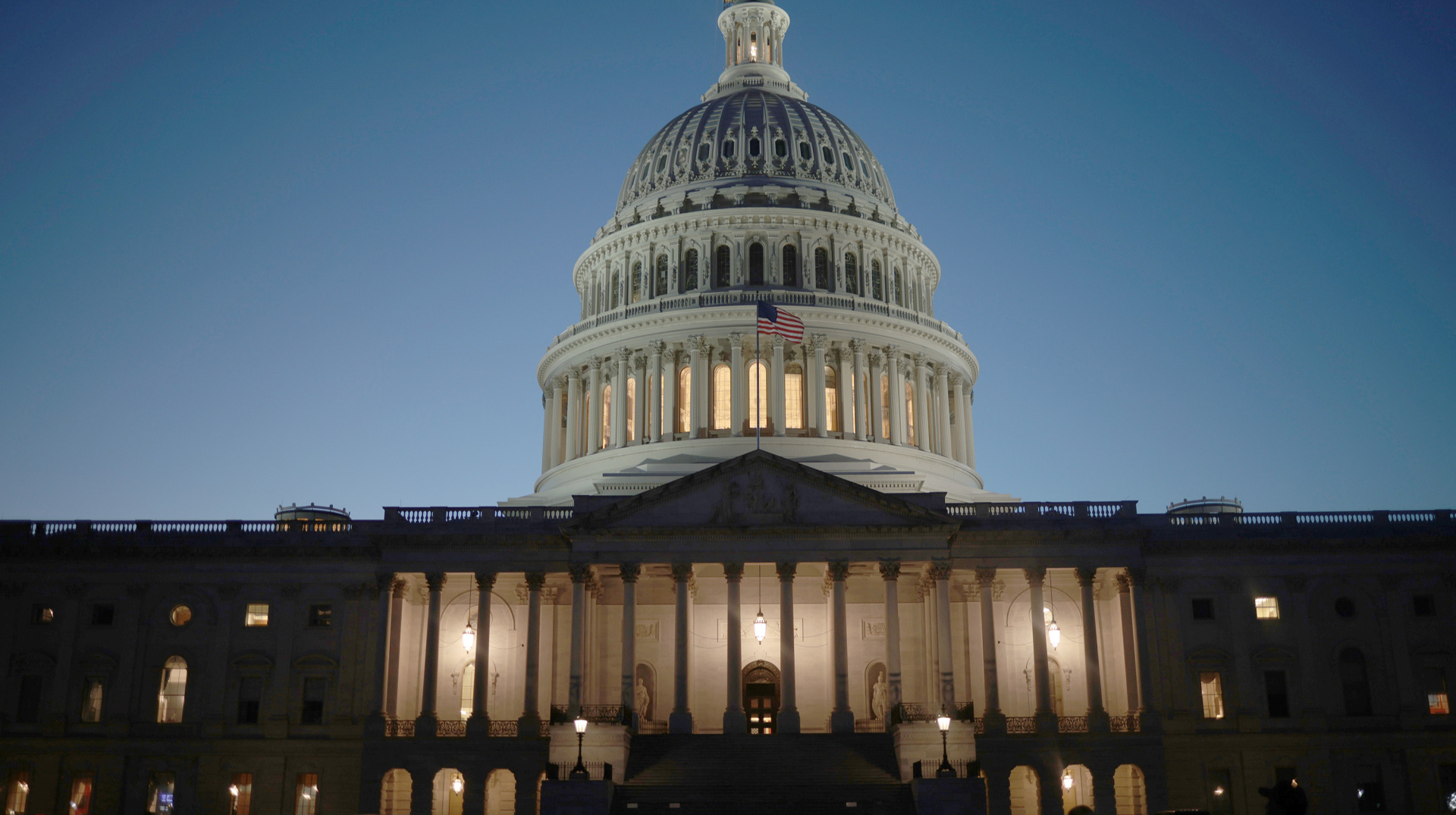
Photo: Ukrainska Pravda UA
At a glance
- US House passed a bill for military aid to Ukraine and sanctions against Russia.
- 226 members voted in favor while 195 opposed the bill.
- Legislation includes provisions for reconstruction funding and security assistance to Baltic nations.
- The Senate, controlled by Republicans, may not advance the legislation.
- Only 18 Republicans supported the bill, reflecting decreasing party unity on Ukraine aid.
Why it matters
This legislation marks a critical point in ensuring continued US support for Ukraine as it confronts Russian aggression. The decision to bypass traditional voting processes indicates a shift in Republican attitudes towards Ukraine, presenting challenges for future support.
https://www.pravda.com.ua/news/2026/06/05/8037843/
What Happened
On June 5, 2026, the US House of Representatives voted to pass a significant bill aimed at aiding Ukraine militarily and imposing new sanctions on Russia. The vote was notable for its bipartisan support, wherein 226 members voted in favor, while 195 opposed it. Notably, this decision was achieved by circumventing the usual committee procedures through a special petition process.
Key Details
The legislation was supported by 18 Republican representatives and one independent member, Kevin Kiley, who played a crucial role in triggering the discharge petition necessary for the vote. During discussions, Gregory Meeks, the highest-ranking Democrat on the Foreign Affairs Committee, emphasized the importance of supporting Ukrainians in their fight.
The bill not only addresses immediate military assistance but also includes provisions for reconstruction funding in Ukraine and additional security assistance to Baltic nations. Despite the successful outcome in the House, the bill faces an uncertain future in the Senate, which is controlled by Republicans.
John Thune, the Senate Majority Leader, has historically aligned closely with Trump, creating skepticism about the bill's prospects. Conversely, some Republicans have raised concerns about the bill's efficacy, dubbing it outdated and overly partisan.
Brian Mast, chairman of the Foreign Affairs Committee, warned that Democratic actions could undermine Trump's attempts at mediating an end to the conflict. In response, Meeks criticized the GOP for stalling sanctions and delaying support to Ukraine.
Why It Matters
This legislation reflects a crucial moment in US support for Ukraine amidst ongoing conflict with Russia. The ability to bypass traditional legislative procedures highlights divisions within the Republican Party regarding Ukraine aid. Continued bipartisan support remains essential for addressing urgent military needs and deterring Russian aggression.
Background
Previously, on June 4, 2026, the House had passed a resolution aimed at limiting President Trump's military powers regarding Iran, signaling a broader context of legislative activity focused on foreign policy and military intervention. Since April 2025, another bipartisan initiative aimed at sanctioning Russia and imposing tariffs on countries purchasing Russian oil has been stalled in the Senate due to disagreements over its provisions.
This broader legislative environment illustrates the complexities surrounding US foreign relations and military aid decisions in the context of the Ukraine crisis.
Source: Ukrainska Pravda UA
This report is maintained as a live newsroom article. Headlines and top paragraphs may be tightened when fresh reporting changes the clearest angle.
Newsletter
Get the next major Ukraine report
Follow the strongest verified developments with a cleaner newsroom brief and direct follow-up coverage.
Report format
Fast lead first, then fuller context.
Source photo stays distinct from any illustration.
Related coverage stays inside the same reporting thread.