News report
Europe Allocates €1.6B for Drones to Ukraine in Early 2026
European nations allocated around €1.6 billion for unmanned systems to Ukraine between January and April 2026, according to Ukrinform. This funding marks a substantial increase in military support for Ukraine's defense.
Share this article
Share to social platforms, or copy the article link and share text manually.
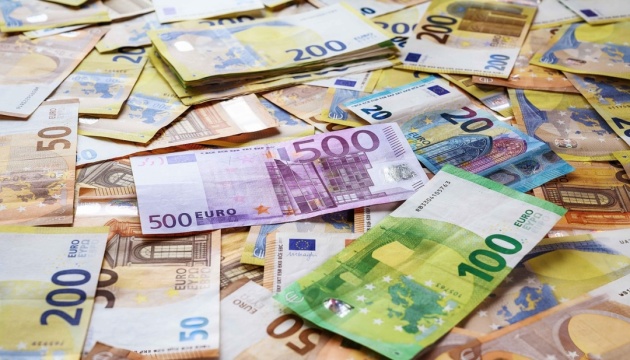
Photo: Ukrinform EN
At a glance
- European nations allocated €1.6 billion for drones to Ukraine from January to April 2026.
- This funding represents a dramatic increase from €400 million in 2022 to €1.6 billion in early 2026.
- The UK made a historic drone allocation of at least 120,000 units.
- Germany and Norway each contributed approximately €500 million for drone procurement.
- Japan’s financial aid support reached €1.1 billion through frozen Russian assets.
Why it matters
The escalating funds for drones highlight a significant shift in European military support for Ukraine. Enhanced drone capabilities not only bolster Ukraine's defense but also facilitate technological collaboration between Ukraine and European defense sectors.
https://www.ukrinform.net/rubric-polytics/4130516-europe-allocates-nearly-eur-16b-for-drones-for-ukraine-in-first-four-months-of-2026.html
What Happened
European countries have greatly enhanced their financial support for Ukraine's military capabilities, specifically in the area of drone technology. From January to April 2026, these nations allotted approximately €1.6 billion for drone procurement, reflecting a significant shift in military aid priorities.
Key Details
This funding surge is reported by the Ukraine Support Tracker at the Kiel Institute for the World Economy. Christoph Trebesch, the head of the Tracker, noted that this increased investment is part of a broader trend where European nations are not only funding drone production but also benefiting from technological advancements that arise from these transactions.
The report highlighted that military aid specifically earmarked for drones has seen a sharp escalation over the past few years. Where €400 million was allocated in 2022, the funding rose to €1 billion in 2024, then €1.2 billion in 2025, before hitting €1.6 billion in the first four months of 2026.
Notably, the United Kingdom made a remarkable move by allocating at least 120,000 drones, representing the largest single allocation for drones announced to date. Other significant contributions include Germany and Norway, which each provided approximately €500 million for drone procurement, while the Netherlands contributed around €250 million.
Despite this increase in military aid, financial and humanitarian assistance from European states experienced a notable decline during the same period. This reduction has been linked to delays in EU funding.
For instance, Germany allocated military aid of €4.2 billion primarily focused on air defense and drones in March and April alone. In contrast, the largest financial aid package came from Japan, which provided €1.1 billion through the second tranche of the ERA loan mechanism, supported by frozen Russian assets.
Why It Matters
The increasing drone allocations signify a strategic pivot in how European countries are supporting Ukraine’s military. This shift not only enhances Ukraine's defense capabilities but also strengthens collaboration with European defense firms, fostering innovation and operational advancements.
Background
The Ukraine Support Tracker has been tracking military, financial, and humanitarian assistance provided to Ukraine since January 24, 2022. In total, it includes data from 41 donor countries, which encompass EU member states, G7 countries, Australia, South Korea, Turkey, Norway, and others.
As the war progresses, the importance of drones has become increasingly critical in assessing military support efforts from Europe.
Source: Ukrinform EN
This report is maintained as a live newsroom article. Headlines and top paragraphs may be tightened when fresh reporting changes the clearest angle.
Newsletter
Get the next major Ukraine report
Follow the strongest verified developments with a cleaner newsroom brief and direct follow-up coverage.
Report format
Fast lead first, then fuller context.
Source photo stays distinct from any illustration.
Related coverage stays inside the same reporting thread.