Breaking news
Ukrainian Air Defense Intercepts Five Missiles and 279 Drones
Ukrainian air defense forces intercepted five X-101 missiles and 279 drones during a Russian assault that began on the evening of May 29. The report comes from the Ukrainian Air Force via Telegram.
Share this article
Share to social platforms, or copy the article link and share text manually.
Developing story
This page is updated as verified details move. The lead and top sections are tightened first when the clearest confirmed angle changes.
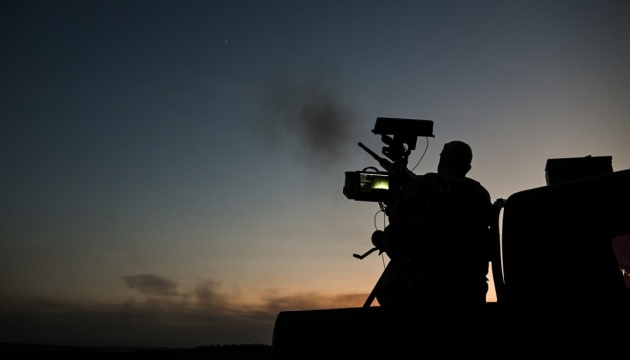
Photo: Ukrinform UA
At a glance
- Ukrainian forces intercepted five X-101 missiles and 279 drones.
- The attacks commenced on the evening of May 29 from multiple regions in Russia.
- Russian forces deployed various drones, including Shahed types and imitation drones.
- The interception occurred across multiple geographic areas: north, south, central, and east Ukraine.
- Two missiles did not reach their targets; assessment ongoing.
Why it matters
The successful interception of 284 aerial threats demonstrates the effectiveness of Ukrainian air defense amid ongoing Russian attacks. This event underscores the importance of air defense capability in safeguarding Ukrainian territory.
https://www.ukrinform.ua/rubric-ato/4128745-ppo-zneskodila-pat-krilatih-raket-ta-279-droniv-akimi-rosiani-z-vecora-atakuvali-ukrainu.html
What Happened

On the evening of May 29, Russian armed forces launched a significant attack on Ukraine, deploying both missiles and drones. Ukrainian air defense responded effectively, neutralizing a total of 284 aerial threats by the morning of May 30, according to a report from the Ukrainian Air Force.
Key Details
The attack involved a variety of aerial weapons. Russian forces used the Iskander-M ballistic missile from Bryansk region and launched six X-101 cruise missiles from Vologda. These were launched from multiple locations, including Bryansk, Kursk, Millerovo, Orel, Primorsko-Akhtarsk, and Chauda in occupied Crimea.
Ukrainian air defense operations utilized aviation, anti-aircraft missile forces, electronic warfare units, and mobile fire groups. By 09:00 on May 30, they had intercepted five X-101 missiles and 279 drones across northern, southern, central, and eastern Ukraine.
There were also recorded strikes from nine drones at seven locations, with debris falling at ten different sites. Two missiles—one cruise and one ballistic—did not reach their targets and are being further assessed.
Why It Matters
This incident is indicative of the ongoing aerial conflict between Ukrainian forces and Russian aggression. The successful interception of such a high number of threats reflects the capabilities of Ukrainian air defense systems, which remain critical to national security during this prolonged conflict.
Background
The use of drones and missiles has characterized recent phases of the conflict, with increasing intensity in aerial assaults from Russian forces since the beginning of the invasion in February 2022. Ukrainian air defenses have evolved in response to the growing sophistication of these attacks, highlighting the strategic importance of maintaining effective air defense systems to protect civilian areas and critical infrastructure from extended aerial bombardment.
Source: Ukrinform UA
This report is maintained as a live newsroom article. Headlines and top paragraphs may be tightened when fresh reporting changes the clearest angle.
Newsletter
Get the next breaking Ukraine update
Receive the fastest lead, key facts, and follow-up links in one concise newsroom note.
Breaking format
The lead carries the core fact first.
Key figures and locations stay near the top.
Related coverage tracks the same reporting line.