Breaking news
Ukrainian Air Defense Downs 154 Drones in Russian Attack
On the evening of April 28, 2026, Russian forces launched an attack using 171 drones targeting Ukraine. Ukrainian air defense successfully neutralized 154 of those drones, according to reports from the Armed Forces of Ukraine.
Share this article
Share to social platforms, or copy the article link and share text manually.
Developing story
This page is updated as verified details move. The lead and top sections are tightened first when the clearest confirmed angle changes.
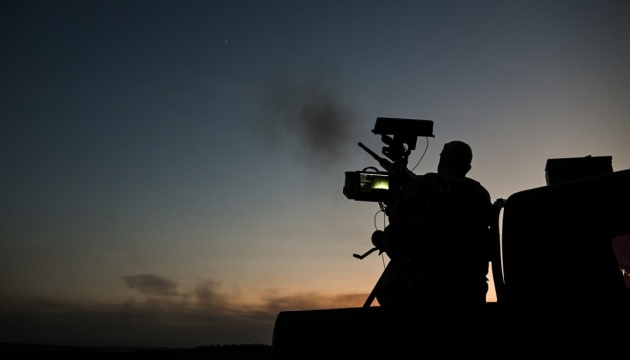
Photo: Ukrinform UA
At a glance
- 154 out of 171 drones were neutralized by Ukrainian forces.
- The attack commenced around 18:00 on April 28, 2026.
- Drones were launched from various locations in Russia and occupied territories.
- Key models included Shahed, Gerbera, and Italmas drones.
- The attack involved multiple defense responses from Ukrainian military units.
Why it matters
The successful interception of 154 drones showcases the effectiveness of Ukrainian air defense against continuous drone warfare by Russia. This engagement highlights the importance of aerial defense capabilities in ensuring the safety of civilian areas in Ukraine.
https://www.ukrinform.ua/rubric-ato/4117686-ppo-zneskodila-154-iz-ponad-170-bezpilotnikiv-akimi-rosia-z-vecora-atakuvali-ukrainu.html
What Happened
During a nighttime offensive beginning on April 28, 2026, Russian military forces employed a total of 171 drones against Ukraine. The Armed Forces of Ukraine reported that their air defense systems managed to neutralize 154 of these drones by the following morning.
The drones involved in the attack included various models such as the Shahed, Gerbera, and Italmas, originating from multiple locations in Russia and the temporarily occupied territories. Notably, approximately 120 of the drones were identified as Shahed models.
Key Details
The Russian aerial assault initiated around 18:00 on April 28, continued into the early hours of April 29. Key locations from which the drones were launched included Kursk, Orel, Shatalovo, Millерово, and Primorsko-Akhtarsk in Russia, as well as parts of temporarily occupied Donetsk and Crimea.
Ukrainian defense forces utilized a multi-faceted response, including aviation, anti-aircraft missile troops, electronic warfare units, and mobile fire groups to counter the assault. Reports indicate that by 08:00 on April 29, at least 154 drones were either shot down or otherwise neutralized across the northern, southern, and eastern regions of Ukraine.
Additionally, there were recorded strikes from at least 12 of the drones at 10 different locations throughout the country, with remnants of the downed drones falling in 12 separate areas.
Why It Matters
The high number of drones neutralized represents a significant operational success for Ukrainian air defense and highlights the ongoing aerial threats the country faces from Russia. Effective interception of these unmanned vehicles is crucial for minimizing damage and civilian casualties during such attacks.
Background
The use of drones in warfare has escalated markedly during the ongoing conflict between Ukraine and Russia. As both sides continue to adapt their strategies, the ability to effectively counter drone threats has become integral to national defense.
Ukrainian forces have developed tactics to exploit weaknesses in Russian air defense, improving their own defensive capabilities. The conflict shows no sign of abating, with ongoing confrontations increasing the urgency for advanced air defense measures.
Ukrainian military reports indicate they have consistently engaged successfully with drone attacks, aiming to protect civilian infrastructure while countering hostile advances.
Source: Ukrinform UA
This report is maintained as a live newsroom article. Headlines and top paragraphs may be tightened when fresh reporting changes the clearest angle.
Newsletter
Get the next breaking Ukraine update
Receive the fastest lead, key facts, and follow-up links in one concise newsroom note.
Breaking format
The lead carries the core fact first.
Key figures and locations stay near the top.
Related coverage tracks the same reporting line.