News update
Ukraine's UN Envoy Rejects Russia's Invitation Amid War Discourse
Andriy Melnyk, Ukraine's Permanent Representative to the UN, rejected an invitation from Russia to visit the country during a UN Security Council meeting. Melnyk stated the invitation was rhetorical and highlighted ongoing tensions stemming from the war.
Share this article
Share to social platforms, or copy the article link and share text manually.
Developing story
This page is updated as verified details move. The lead and top sections are tightened first when the clearest confirmed angle changes.
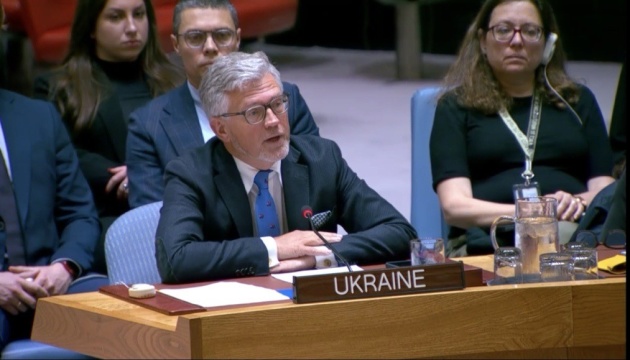
Photo: Ukrinform UA
At a glance
- Andriy Melnyk rejected Russia's invitation to visit during a UN meeting.
- He cited ongoing war and future reparations as reasons for refusal.
- Melnyk stated Russia shows signs of desperation on multiple fronts.
- The discussion reflects broader tensions and the state of Russia's economy.
- This incident underscores Ukraine's firm stance against diplomatic overtures from Russia.
Why it matters
The exchange signifies the persistent diplomatic friction between Ukraine and Russia. It illustrates Ukraine's refusal to engage with Russia's narratives while highlighting the economic distress resulting from the prolonged conflict.
https://www.ukrinform.ua/rubric-polytics/4126400-melnik-u-radbezi-oon-vidpoviv-nebenzi-na-zaprosenna-vidvidati-rosiu.html
What Happened
During a recent meeting of the UN Security Council, Ukrainian diplomat Andriy Melnyk dismissed a rhetorical invitation from Russia's envoy Vasily Nebenzya to visit Russia. This discussion occurred on May 23, 2026, as part of a session reportedly called at the request of Russia itself, where issues related to the ongoing conflict and the state of the Russian economy were addressed.
Melnyk expressed skepticism about visiting Moscow, even if Russia were to face a significant defeat. He stated, "Even when Russia suffers defeat, even after the fall of the Putin regime, reparations will be required, and the next Russian government will plead for forgiveness.
There will be no reconciliation between Ukraine and Russia for decades, possibly centuries." He further indicated he would not attend Moscow as part of any delegation if it were related to a potential capitulation by Russia.
Key Details
Melnyk emphasized that Russia is currently losing both on the battlefield and in diplomatic efforts, indicating that the country is showing signs of desperation. He commented, "The very calling of this meeting is a manifestation of weakness and an attempt to change the situation and evoke sympathy." He suggested that Nebenzya should send a telegram to Russian leaders with a message of despair about their current state.
In earlier statements, Melnyk had pointed out negative economic trends in Russia, exacerbated by the ongoing conflict initiated by the Kremlin's actions against Ukraine. Nebenzya's original invitation was framed within the context of showcasing how the Russian economy is allegedly struggling.
He invited Melnyk to observe these conditions firsthand, reinforcing the dichotomy presented in their diplomatic standoff.
Why It Matters
This exchange reflects the ongoing tensions between Ukraine and Russia amidst the war. Melnyk’s refusal showcases Ukraine's steadfast stance against Russian overtures and the broader implications for international relations. The statement also highlights the discontent within Russia regarding its economic situation, as perceived through Ukrainian diplomatic lenses.
Background
The backdrop of this discussion includes a series of escalating confrontations and diplomatic maneuvers at the UN, often centered on the conflict that has engulfed Ukraine since 2014. Challenges to Russia's narrative have become increasingly common during formal discussions, with Ukrainian representatives frequently addressing issues of war crimes and the impact of the conflict on civilians.
The ongoing war has deeply affected perceptions of Russia's economic viability and its international standing. As the situation continues to unfold, engagements at the UN are likely to remain contentious, reflecting the broader geopolitical landscape and the continuing struggle for dominance in various international forums.
This ongoing dialogue sheds light on Ukraine's persistent opposition to Russian aggression and the complex diplomatic relationships influenced by the war.
Source: Ukrinform UA
This report is maintained as a live newsroom article. Headlines and top paragraphs may be tightened when fresh reporting changes the clearest angle.
Newsletter
Get the next Ukraine update
Track the latest policy, diplomacy, aid, and security changes without losing the thread.
Update format
This template prioritizes developments over recap.
Context stays short and tied to the current turn in the story.
The page is designed for repeat readers checking what changed.