Breaking news
Ukraine's Border Guard Reports No Troop Movement in Belarus
Ukraine's State Border Guard Service has reported no troop or military equipment movement near its border with Belarus. However, threats from Belarus are still considered real, as stated by spokesperson Andriy Demchenko.
Share this article
Share to social platforms, or copy the article link and share text manually.
Developing story
This page is updated as verified details move. The lead and top sections are tightened first when the clearest confirmed angle changes.
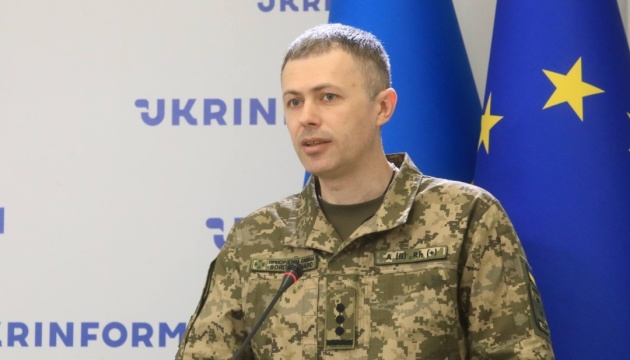
Photo: Ukrinform UA
At a glance
- No troop movement near the Ukraine-Belarus border reported.
- Threat from Belarus remains significant, according to border spokesperson.
- Belarus engages in military drills and maintains a close alliance with Russia.
- The presence of nuclear weapons in Belarus intensifies regional tension.
- Ukrainian border guards are on alert for any potential developments.
Why it matters
The ongoing military readiness of Belarus poses a potential challenge for Ukraine's security. Continuous monitoring is needed to address any future escalations that could arise from Belarusian military activities.
https://www.ukrinform.ua/rubric-ato/4124882-u-bilorusi-nemae-peremisenna-vijsk-ci-tehniki-ale-zagroza-realna-demcenko.html
What Happened
On May 19, 2026, Andriy Demchenko, spokesperson for the State Border Guard Service of Ukraine, stated in a television interview that there is no recorded movement of military personnel or equipment in Belarus near the Ukrainian border. Despite this absence of activity, he emphasized that the threat from Belarus remains genuine and significant.
Key Details
Demchenko explained that while currently there are no Russian troops in substantial numbers within Belarus, the potential exists for Russia to deploy additional forces at any moment. This statement highlights ongoing tensions in the region.
He pointed out that Belarus has been consistently heightening military tensions and employing strategies that include the threat of nuclear weapons located on its territory. Demchenko remarked, "This constant escalation serves to create a narrative that Belarus faces threats from multiple directions, which is not the case." According to Demchenko, Belarus continues to support Russia militarily by conducting regular drills and demonstrating its readiness for combat.
He cited recent instances of military exercises as part of Belarus's strategy to maintain its defense posture while simultaneously intimidating neighboring countries. Demchenko noted that the presence of nuclear weapons in Belarus evokes concerns, stating, "The threat from Belarus is real, and we must prepare for any developments that may arise."
Why It Matters
The situation at the Ukrainian-Belarusian border is critical for Ukraine's national security strategy. Continuous military readiness in Belarus can lead to unpredictable developments that may affect the current geopolitical climate. Close monitoring of this situation is essential for the protection of Ukrainian sovereignty.
Background
The relationship between Belarus and Russia has grown closer, particularly since the onset of the conflict involving Ukraine. Belarus has allowed Russian forces to use its territory and has participated in joint military exercises, raising alarms in Ukraine and neighboring countries.
Given these factors, Ukrainian officials remain cautious and emphasize the need for heightened vigilance along the border. Ukraine's military and border guard services are on standby to react to any changes in the situation.
As tensions persist, the international community is urged to pay attention to developments in Belarus, as they could directly impact the stability of Ukraine and the wider region.
Source: Ukrinform UA
This report is maintained as a live newsroom article. Headlines and top paragraphs may be tightened when fresh reporting changes the clearest angle.
Newsletter
Get the next breaking Ukraine update
Receive the fastest lead, key facts, and follow-up links in one concise newsroom note.
Breaking format
The lead carries the core fact first.
Key figures and locations stay near the top.
Related coverage tracks the same reporting line.