News update
Russia to Deploy Four Long-Range Drone Control Stations in Belarus
Russia's drone control stations in Belarus could significantly enhance its capabilities near Ukraine. This development raises concerns about escalating tensions in the region.
Share this article
Share to social platforms, or copy the article link and share text manually.
Developing story
This page is updated as verified details move. The lead and top sections are tightened first when the clearest confirmed angle changes.
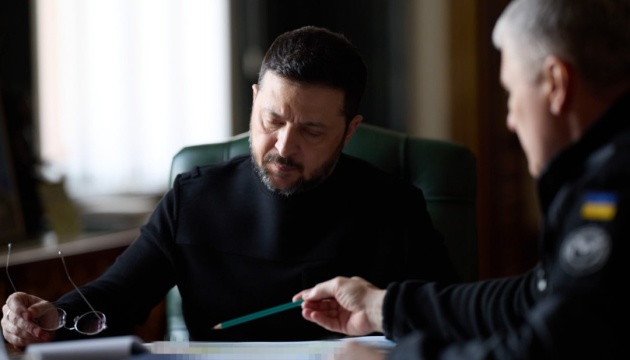
Photo: Ukrinform EN
At a glance
- Russia plans to deploy four long-range drone control stations in Belarus.
- The deployment includes additional stations in occupied Ukrainian territories.
- Zelensky highlights evidence of intelligence sharing between Russia and Iran.
- Ukrainian military intelligence is actively monitoring Russian operations.
- Exaggerated Russian military claims are used in negotiation strategies.
Why it matters
The deployment of drone control stations poses a significant threat to Ukraine's security landscape, potentially escalating military engagement in the region. Zelensky's statements reflect a broader strategic containment effort against Russian military advancements.
https://www.ukrinform.net/rubric-ato/4104698-russia-planning-to-deploy-four-longrange-drone-control-stations-in-belarus-zelensky.html
Russian Drone Control Stations Planned

Ukrainian President Volodymyr Zelensky announced that Russia intends to set up four long-range drone control stations in Belarus, as well as additional sites in occupied Ukraine. Zelensky disclosed this information during a recent briefing, citing intelligence from Oleh Ivashchenko, head of Ukraine's military intelligence.
The intelligence report specified potential locations for these control stations, which are anticipated to strengthen Russia's drone operational capabilities near the Ukrainian border.
Strategic Implications
The planned drone installations are indicative of Russia's strategy to enhance its drone warfare capabilities. Zelensky pointed out the ongoing intelligence cooperation between Russia and Iran, emphasizing their joint efforts in this domain.
He raised alarms about Russia's utilization of advanced signals intelligence, which has been bolstered by its collaborations with Iranian forces, thereby increasing the threat to Ukraine.
Monitoring and Transparency
Zelensky stressed that Ukraine's military intelligence is actively monitoring battlefield developments and Russian military maneuvers. He criticized exaggerated claims from the Russian command about military achievements, suggesting these narratives are intended for negotiation purposes.
This tactic forms part of a broader information warfare strategy aimed at distorting the realities of the conflict for domestic and international audiences. Zelensky instructed Ivashchenko to share relevant updates with international partners and the media, fostering transparency regarding Russian military activities.
Conclusion
The establishment of Russian drone control stations in Belarus comes at a critical time, increasing tensions in Eastern Europe. Ukraine's ongoing readiness and military adaptations will be vital for safeguarding national security in response to these emerging threats.
Source: Ukrinform EN
This report is maintained as a live newsroom article. Headlines and top paragraphs may be tightened when fresh reporting changes the clearest angle.
Newsletter
Get the next Ukraine update
Track the latest policy, diplomacy, aid, and security changes without losing the thread.
Update format
This template prioritizes developments over recap.
Context stays short and tied to the current turn in the story.
The page is designed for repeat readers checking what changed.