News update
Ukraine Rejects Gerhard Schröder as EU Negotiator
Ukraine has rejected the candidacy of former German Chancellor Gerhard Schröder as a potential EU negotiator, according to Foreign Minister Andrii Sibiga. His comments came before an EU foreign affairs council meeting on May 11, 2026.
Share this article
Share to social platforms, or copy the article link and share text manually.
Developing story
This page is updated as verified details move. The lead and top sections are tightened first when the clearest confirmed angle changes.
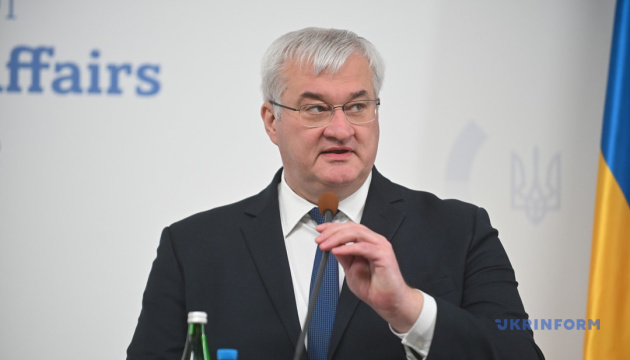
Photo: Ukrinform UA
At a glance
- Ukraine rejects Gerhard Schröder as EU negotiator candidate.
- Andrii Sibiga states there are better leaders for the role.
- Kaja Kallas notes Schröder’s lobbying connections to Russia.
- The decision illustrates Ukraine's diplomatic priorities.
- Tensions with Russia remain a crucial context for these discussions.
Why it matters
Ukraine’s position on Schröder’s candidacy highlights its demand for representatives who align with its interests in negotiations with Russia. This reflects the broader context of diplomatic relations and the conflict’s impact on foreign policy.
https://www.ukrinform.ua/rubric-polytics/4121869-ukraina-odnoznacno-ne-pidtrimue-kandidaturu-sredera-ak-peregovornika-vid-es-sibiga.html
What Happened
On May 11, 2026, Ukrainian Foreign Minister Andrii Sibiga stated that Ukraine does not support the nomination of Gerhard Schröder as a negotiator for the European Union. This assertion was made before the start of the EU's foreign affairs council meeting in Brussels.
Key Details
Sibiga's comments came in response to Russia's suggestion of Schröder for the role. He emphasized that Ukraine firmly opposes this candidacy by stating, "We definitely do not support such a candidacy." Sibiga mentioned that there are numerous other qualified leaders who could fulfill this role effectively.
Additionally, EU High Representative for Foreign Affairs and Security Policy, Kaja Kallas, commented on Schröder’s background, pointing out that he is known to be a lobbyist for Russian companies. Kallas remarked that it is unsurprising that Russian President Vladimir Putin would favor Schröder as a negotiator for the EU.
The discussions surrounding this nomination take place amidst a context of ongoing tensions between Ukraine and Russia. The issue of negotiation and dialogue with Russia remains a critical point of concern for Ukraine's foreign policy.
Why It Matters
The rejection of Schröder as a potential negotiator by Ukraine indicates Kyiv's stance on who should represent European interests in negotiations concerning Russia. This decision reflects the broader dynamics of international diplomacy in relation to the ongoing war. Ukraine’s position also highlights its pursuit of trustworthy leaders to represent EU interests effectively.
Background
Gerhard Schröder served as Germany's Chancellor from 1998 to 2005 and has had significant ties to Russian energy companies since leaving office. His connections and lobbying efforts in favor of Russia have raised concerns among European nations, especially in the context of the conflict with Ukraine.
The debate over negotiators for EU-Russian relations sheds light on the complex relationships and power plays involved in international diplomacy today. Sibiga’s statements further clarify Ukraine's unwillingness to engage with figures perceived as favoring Russian interests.
Source: Ukrinform UA
This report is maintained as a live newsroom article. Headlines and top paragraphs may be tightened when fresh reporting changes the clearest angle.
Newsletter
Get the next Ukraine update
Track the latest policy, diplomacy, aid, and security changes without losing the thread.
Update format
This template prioritizes developments over recap.
Context stays short and tied to the current turn in the story.
The page is designed for repeat readers checking what changed.