Explainer
Ukraine Integrates Energy Market with EU, Impacts on Electricity Pr...
Ukraine's energy market will integrate with the EU following a new law signed by President Zelensky on April 21, 2026. This move aims to strengthen energy resilience and could affect electricity pricing for consumers.
Share this article
Share to social platforms, or copy the article link and share text manually.
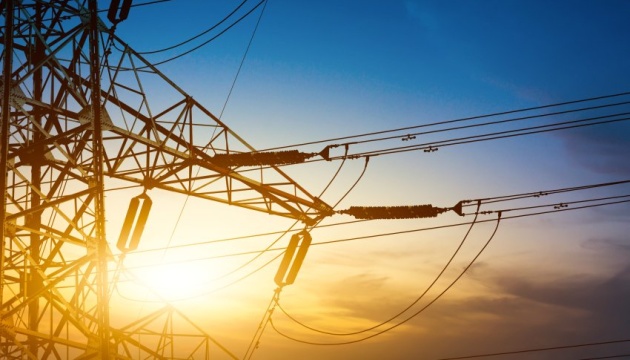
Photo: Ukrinform UA
At a glance
- Ukrainian energy market integrates with EU as of April 21, 2026.
- Will improve electricity pricing and reliability for consumers.
- Establishes cross-border balancing mechanisms for energy.
- Increases consumer participation in electricity market.
- Allows joint use of reserves with European energy operators.
Why it matters
Integrating with the EU energy market enhances Ukraine's energy security and could lead to lower electricity prices. This is vital for the consumer economy and supports regional stability.
https://www.ukrinform.ua/rubric-economy/4115053-obednanna-energorinkiv-ukraini-ta-es-ci-zminitsa-vartist-elektroenergii-dla-spozivaciv.html
What Happened
On April 21, 2026, President Volodymyr Zelensky signed a law aimed at integrating Ukraine's energy market with that of the European Union. According to Ukrinform, this legislative step is designed to enhance Ukraine's energy reliability while potentially decreasing consumer electricity costs.
Key Details
The integration will establish mechanisms for cross-border balancing of electricity generation and consumption, incorporating systems from EU balancing platforms. This change is expected to improve operational reliability for Ukraine's national energy company, NЕК "Укренерго," as well as EU transmission system operators.
The law allows for the exchange and joint utilization of reserves with other European operators. It promotes greater participation of consumers in the energy market and supports the development of distributed generation.
Additionally, the integration anticipates the establishment of market coupling regulations, allowing seamless operation between Ukraine's day-ahead and intraday market segments and those in the EU. A significant implementation aspect includes designated market operators (NEMOs) under a competitive model, a prerequisite for aligning Ukrainian segments with the European markets.
Enhanced pre-dispatch mechanisms will also be introduced to improve the management of system limitations. Vitali Zaitchenko, head of NЕК "Укренерго," emphasized that this integration is crucial for boosting collective energy resilience.
By synchronizing market rules, demand imbalances can be addressed efficiently, benefiting both Ukraine and its EU neighbors.
Why It Matters
The integration of Ukraine's energy market with the EU is a pivotal step in improving energy security and reliability. It creates a framework for balancing supply and demand across borders, which is essential in an era of fluctuating energy availability. This move could also lead to more competitive electricity pricing for consumers in Ukraine, supporting economic stability in the region.
Background
Ukraine has long aimed to align its energy policies with European standards, especially following past energy crises. The adoption of this law signals a commitment to modernize its energy infrastructure and participate more fully in the European energy market.
Furthermore, it opens the door for Ukraine to receive €500 million under the European funding program known as Ukraine Facility. This funding is anticipated to support ongoing reforms in Ukraine's energy sector, enhancing competitiveness and supply security.
As part of its broader integration efforts, Ukraine will continue working to implement necessary regulatory changes dictated by this new legislation.
Source: Ukrinform UA
This report is maintained as a live newsroom article. Headlines and top paragraphs may be tightened when fresh reporting changes the clearest angle.
Newsletter
Get the next Ukraine explainer
Receive concise explainers that turn complex Ukraine coverage into a clearer reading path.
Explainer standard
Explainers answer the obvious reader questions first.
Background is broken into shorter blocks for mobile reading.
Links point to the most useful related coverage, not generic archives.