News update
Ukraine Imports 12% of Daily Electricity Demand
Ukraine relies on electricity imports to meet daily consumption, indicating significant infrastructure issues. Efforts to restore energy capacity are underway.
Share this article
Share to social platforms, or copy the article link and share text manually.
Developing story
This page is updated as verified details move. The lead and top sections are tightened first when the clearest confirmed angle changes.
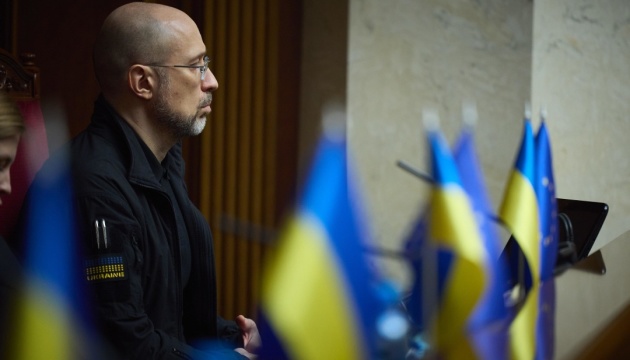
Photo: Ukrinform UA
At a glance
- Ukraine imports 12% of daily electricity consumption from Europe.
- Peak hour energy deficit is approximately 1 GW.
- Partial restoration of 3.5 GW of generation capacity achieved.
- Naftogaz Group plans 17 projects adding 392 MW of electricity.
- Focus on recovery and new security architecture for energy infrastructure.
Why it matters
Ukraine's reliance on electricity imports underscores the challenges posed by ongoing conflicts and infrastructure damage. Strengthening energy security and restoring generation capabilities are vital for national stability, particularly in preparation for the upcoming winter months.
https://www.ukrinform.ua/rubric-economy/4101137-ukraina-importue-12-elektriki-vid-dobovogo-spozivanna-smigal.html
Import Overview

As of mid-March, Ukraine imports 12% of its daily electricity needs, according to Energy Minister Denis Shmygal. This information was shared during a governmental session in the Verkhovna Rada.
Peak Demand Challenges
Shmygal explained that electricity imports from Europe are essential for meeting increased demands during peak hours, where the deficit reaches approximately 1 gigawatt (GW). While some regions have managed to avoid power outages, others still experience scheduled outages due to inadequate supply during these times.
Restoration Efforts
The Ukrainian government is actively working to enhance its energy generation capacity in anticipation of winter. Shmygal noted that measures taken thus far have restored 3.5 GW of capacity, with an additional 2 GW projected to return to service by the end of May.
Collaboration for Capacity Growth
In efforts to further increase capacity, Shmygal mentioned ongoing discussions between Ukrainian energy engineers and their European counterparts to acquire decommissioned equipment.
Distributed Generation Initiatives
The state-owned Naftogaz Group plans to implement 17 projects that will contribute 392 MW to the grid, while the Gas Transmission System Operator of Ukraine (OGTSU) aims to commission an additional 92 MW by the end of the year. Overall, a target of 4 GW of recovery from damaged capacity is set.
Energy Infrastructure Security
Shmygal emphasized the need for a new framework for energy infrastructure security, which is critical in light of the current vulnerabilities. An anticipated addition of 1.5 GW of distributed generation capacity is expected over the next year.
Ongoing Developments
The situation surrounding Ukraine's energy sector is dynamic as the country balances immediate needs with longer-term recovery. The energy sector plays a crucial role in domestic stability and international partnerships as Ukraine strives for a more resilient power grid.
Source: Ukrinform UA
This report is maintained as a live newsroom article. Headlines and top paragraphs may be tightened when fresh reporting changes the clearest angle.
Newsletter
Get the next Ukraine update
Track the latest policy, diplomacy, aid, and security changes without losing the thread.
Update format
This template prioritizes developments over recap.
Context stays short and tied to the current turn in the story.
The page is designed for repeat readers checking what changed.