Breaking news
Power Outages Across Ukraine Following Russian Attacks on Energy Infrastructure
Ukrenergo reports significant damage to energy infrastructure due to recent missile and drone strikes. Emergency power restrictions are in effect across multiple regions.
Share this article
Share to social platforms, or copy the article link and share text manually.
Developing story
This page is updated as verified details move. The lead and top sections are tightened first when the clearest confirmed angle changes.
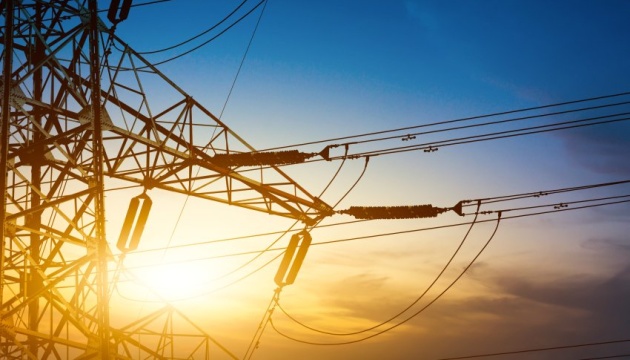
Photo: Ukrinform UA
At a glance
- Mass Russian attacks on energy infrastructure disrupt power across Ukraine.
- Power outages will persist until the end of the day in multiple regions.
- Ukrenergo recommends energy conservation, especially during peak hours.
- Specific delays in restoring power are reported in the Kharkiv region.
- Emergency responses are hampered by ongoing safety concerns in affected areas.
Why it matters
The recent attacks further strain Ukraine's energy network, critical as winter energy demands rise. Managing and restoring power is essential for public safety and stability in the country amidst ongoing conflict with Russia.
https://www.ukrinform.ua/rubric-economy/4101497-cerez-masovanu-ataku-e-poskodzenna-energicnoi-infrastrukturi-zmineni-obsagi-vidklucen.html
What Happened
The National Energy Company of Ukraine (Ukrenergo) has confirmed that a mass Russian attack overnight targeted energy infrastructure in Kyiv and neighboring areas. Damage has been reported across multiple regions, including Kyiv, Cherkasy, Kirovohrad, Kharkiv, Zaporizhzhia, and Dnipropetrovsk.
As a result of the strikes, many residents are experiencing power outages this morning, prompting emergency power restrictions. Ukrenergo has stated that the ongoing outages are a direct response to the serious damage inflicted on the energy grid.
Key Details
Restoration efforts are ongoing where safety conditions permit, but Ukrenergo has urged consumers to conserve energy. Guidelines recommend using heavy electrical appliances mainly between 11:00 AM and 4:00 PM when solar energy generation peaks, easing some of the grid's demand.
Residents are also advised to limit the simultaneous use of high-capacity appliances, particularly during the critical evening hours from 5:00 PM to 10:00 PM when energy consumption is at its highest. Officials emphasize that maintaining energy efficiency is crucial given the evolving situation and the potential for further attacks.
Background
Reports from the Kharkiv region indicate that Derhachi has been severely affected, leaving around 3,500 residents without power. Local officials reported that the attack specifically targeted critical energy facilities, disrupting power supply to several villages in the area.
The head of the Derhachi city military administration mentioned that the extent of damage makes it difficult to provide an estimated timeline for restoration. Broader reports suggest that since Friday night, Russian forces have intensified assaults using drones and missiles against key infrastructure throughout Ukraine.
Ukrainian air defense has managed to intercept many incoming attacks, including shooting down several drones and missiles. However, the extensive impact of these strikes has resulted in civilian casualties and damage to residential buildings, raising concerns about safety and the resilience of Ukraine's energy sector under sustained military pressure.
As winter approaches, the need for high energy usage for heating increases. The severity of these attacks highlights the vulnerabilities in Ukraine's energy infrastructure amidst ongoing conflict.
Source: Ukrinform UA
This report is maintained as a live newsroom article. Headlines and top paragraphs may be tightened when fresh reporting changes the clearest angle.
Newsletter
Get the next breaking Ukraine update
Receive the fastest lead, key facts, and follow-up links in one concise newsroom note.
Breaking format
The lead carries the core fact first.
Key figures and locations stay near the top.
Related coverage tracks the same reporting line.