News report
Ukraine Enhances Anti-Drone Defenses in Donetsk Region
Ukraine's Ministry of Defense is installing additional anti-drone protections in frontline areas of the Donetsk region. The initiative aims to counteract increasing drone attacks from enemy forces.
Share this article
Share to social platforms, or copy the article link and share text manually.
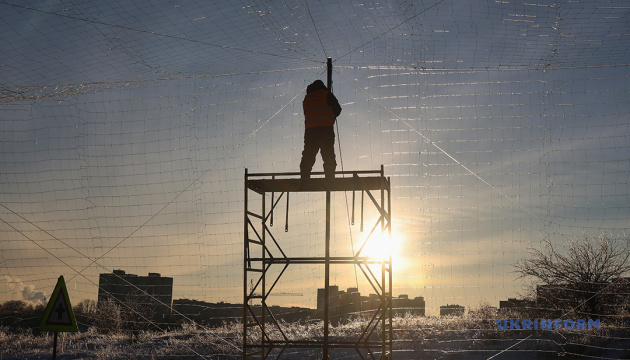
Photo: Ukrinform EN
At a glance
- 25 km of new anti-drone defenses under construction in Donetsk.
- Enemy drones targeting vehicles necessitate heightened protective measures.
- 371 km of anti-drone structures installed in seven regions since January.
- Focus on securing logistics routes for military and civilian operations.
- State Special Transport Service designated as the contractor for road restoration.
Why it matters
This development is crucial for improving logistics security, which is vital for military efficiency and civilian safety. The proactive measures are part of a broader strategy to counter the threat posed by advanced drone warfare.
https://www.ukrinform.net/rubric-ato/4111291-additional-antidrone-defenses-installed-in-donetsk-region.html
What Happened
The State Special Transport Service of Ukraine, operating under the Ministry of Defense, is actively installing enhanced anti-drone measures in the Donetsk region. This effort is reported to be an essential response to increasing threats from enemy units using FPV (first-person view) drones to target both transport and civilian vehicles.
Minister of Defense Mykhailo Fedorov conveyed these developments via a post on Facebook.
Key Details
Fedorov stated that the protective measures aim to safeguard logistics routes which are crucial for military operations and community safety. Currently, over 25 kilometers of anti-drone structures are under construction in strategically significant areas within Donetsk.
The installation process is moving at a rate of approximately 1 kilometer per day, with plans to complete these installations by the end of the month. In a broader context, Fedorov emphasized that since the start of the year, a total of 371 kilometers of anti-drone defenses have been established across seven regions, which include Kyiv, Sumy, Kharkiv, Dnipropetrovsk, Donetsk, Zaporizhzhia, and Kherson.
These efforts are considered critical for the secure movement of military assets and protecting civilian lives.
Why It Matters
The ongoing installation of anti-drone defenses reflects the Ukrainian government’s commitment to safeguarding key transport routes in frontline areas. With the increasing use of drones in warfare, such defensive measures are vital for operational safety and the protection of civilian populations in conflict zones.
Background
The growing threat from drones has prompted a strategic response from Ukraine's armed forces. Earlier this year, in response to specific incidents where enemy drones targeted logistics, authorities designated the State Special Transport Service as the primary contractor for constructing and maintaining road infrastructure in combat-affected areas.
This aligns with a systematic approach to enhancing logistical security and minimizing risks to military and civilian operations in frontline regions.
Source: Ukrinform EN
This report is maintained as a live newsroom article. Headlines and top paragraphs may be tightened when fresh reporting changes the clearest angle.
Newsletter
Get the next major Ukraine report
Follow the strongest verified developments with a cleaner newsroom brief and direct follow-up coverage.
Report format
Fast lead first, then fuller context.
Source photo stays distinct from any illustration.
Related coverage stays inside the same reporting thread.