News report
Ukraine Reveals New Drone Interceptor LITAVR with 350 km/h Speed
The Ukrainian Ministry of Defense has introduced the LITAVR drone interceptor, capable of reaching speeds of 350 kilometers per hour. Developed by F-Drones, this system is designed to counter threats posed by enemy drones.
Share this article
Share to social platforms, or copy the article link and share text manually.
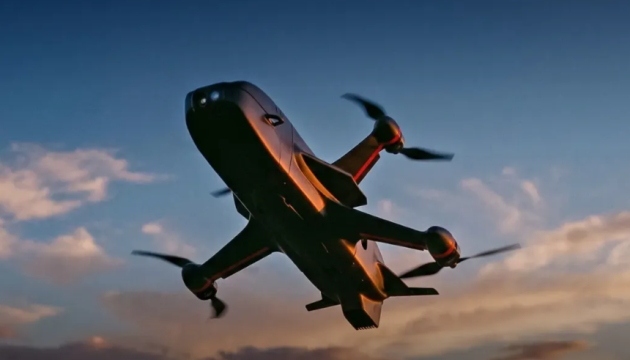
Photo: Ukrinform UA
At a glance
- LITAVR can reach speeds of 350 km/h with a 40 km range.
- The interceptor has automated targeting capabilities for enhanced efficiency.
- It employs unique production methods for improved durability.
- F-Drones is upgrading older drones with new technology at no cost.
- This drone is a strategic asset in countering drone warfare.
Why it matters
The LITAVR drone interceptor enhances Ukraine's defense capabilities against aerial threats. Its development signifies a commitment to indigenous technology, reducing reliance on foreign components.
https://www.ukrinform.ua/rubric-ato/4131819-minoboroni-rozpovilo-pro-perehopluvac-sahediv-zi-svidkistu-350-kilometriv-za-godinu.html
What Happened
The Ministry of Defense of Ukraine announced the deployment of a new drone interceptor named LITAVR, developed by the Ukrainian company F-Drones. This interceptor is specifically designed to combat aerial threats, particularly enemy drones such as the Iranian-made Shahed. As reported, the LITAVR can achieve a maximum speed of 350 kilometers per hour and has a working range of 40 kilometers.
Key Details
F-Drones initiated the development of LITAVR in the fall of 2024, and by the summer of 2025, the drone had successfully undergone testing. Series production commenced shortly thereafter, with the drone now available for military units through the BraveMarket platform.
Notably, it boasts unique features, including daytime and thermal cameras, and operates both GPS-free and integrates with various radar systems for enhanced navigation. LITAVR employs an automatic targeting system that significantly enhances its effectiveness during anti-drone operations.
The system, referred to as the Last Mile or Pixel Lock, allows the drone to identify and engage targets autonomously. The operator only needs to control the speed during the final approach.
The construction of the drone utilizes advanced plastic molding techniques to enhance its durability and stability in mass production, moving away from traditional 3D-printing methods. This change in production ensures that the drone meets high-performance standards essential for military applications.
According to the Ministry of Defense, F-Drones is committed to upgrading previously supplied first-generation drones to include the new automatic targeting feature without charge. The drone's ordinance can be fitted on-site either as an empty container for units to load explosives or as a pre-assembled NATO-coded warhead.
Why It Matters
The introduction of the LITAVR interceptor enhances Ukraine's capabilities in counter-drone warfare. With a design focused on minimizing reliance on foreign components, it represents a strategic advancement in Ukraine's defense technology. Enhanced interceptive measures will likely improve protection against drone strikes, which have been increasingly used in conflict.
Background
The conflict in Ukraine has seen an escalation in the use of drones for both reconnaissance and attack purposes. Ukraine's defense sector has been rapidly innovating to counteract these threats, with drone technology playing a vital role in modern military strategy.
As combat dynamics evolve, the development of indigenous solutions like LITAVR is crucial in maintaining operational effectiveness against such aerial threats.
Source: Ukrinform UA
This report is maintained as a live newsroom article. Headlines and top paragraphs may be tightened when fresh reporting changes the clearest angle.
Newsletter
Get the next major Ukraine report
Follow the strongest verified developments with a cleaner newsroom brief and direct follow-up coverage.
Report format
Fast lead first, then fuller context.
Source photo stays distinct from any illustration.
Related coverage stays inside the same reporting thread.