Breaking news
Ukraine Confirms Strike on Russian Chemical Plant in Cherepovets
Ukraine's Unmanned Systems Forces confirmed a strike on the Cherepovets-Azot chemical plant in Russia on April 13. This plant is known for producing materials used in explosives manufacturing.
Share this article
Share to social platforms, or copy the article link and share text manually.
Developing story
This page is updated as verified details move. The lead and top sections are tightened first when the clearest confirmed angle changes.
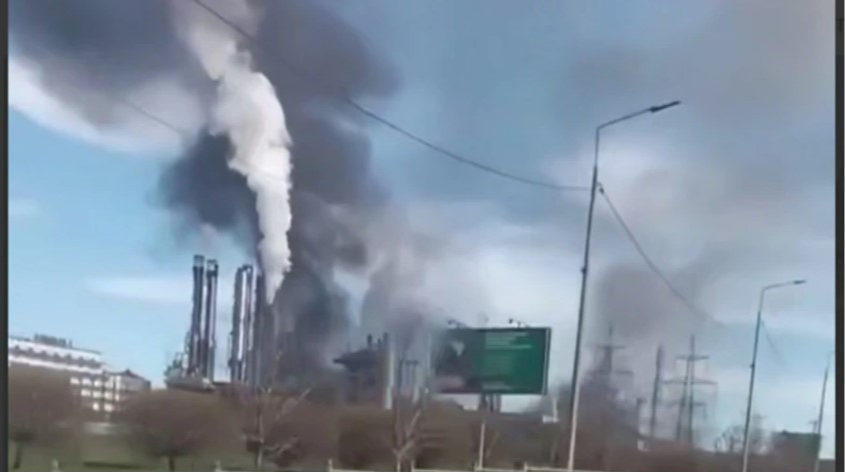
Photo: Ukrainska Pravda EN
At a glance
- Ukraine struck the Cherepovets-Azot chemical plant on April 13.
- The plant produces vital chemicals for explosives manufacturing.
- Robert "Magyar" Brovdi confirmed the strike, using drones for the operation.
- The attack aims to disrupt the supply chain for the Russian military.
- Cherepovets-Azot is a major site for ammonium nitrate production.
Why it matters
The strike on the Cherepovets-Azot plant could significantly impact Russia's ability to produce ammunition. This ongoing conflict emphasizes the tactical use of drone technology in modern warfare.
https://www.pravda.com.ua/eng/news/2026/04/13/8029990/
What Happened
On April 13, Ukraine's Unmanned Systems Forces launched an attack on the Cherepovets-Azot plant in Cherepovets, Russia. This facility is notable for producing chemicals critical to the manufacture of explosives.
Key Details
The confirmation of the strike was issued by Robert "Magyar" Brovdi, the Commander of the Unmanned Systems Forces. The plant produces substantial quantities of ammonia, ammonium nitrate, and nitric acid, which are essential raw materials for explosives like TNT and hexogen.
Brovdi referred to the drones used in the attack metaphorically as "household Easter eggs," indicating their precision and effectiveness. According to the report, the facility plays a significant role in the Russian defense industry's supply chain.
By targeting such a key site, Ukraine aims to disrupt the production of components essential for military armament.
Why It Matters
Targeting the Cherepovets-Azot plant reflects Ukraine's strategic focus on hindering Russia's military capabilities. Disruption of the supply chain for explosive materials could impact Russian military operations. The strike highlights the ongoing conflict and the use of unmanned systems in warfare.
Background
The Cherepovets-Azot plant is located in Vologda Oblast and is a significant chemical manufacturing site in Russia. Its production output includes hundreds of thousands of tonnes of chemicals annually.
The attack on April 13 marks a notable escalation in the ongoing conflict, showcasing Ukraine’s use of drone technology to strike beyond its borders. The precision of such strikes raises questions about the nature of modern warfare and the implications for future engagements.
The conflict between Ukraine and Russia has involved numerous military strategies, with both sides adapting to the evolving battlefield landscape. As each party seeks to gain the upper hand, strikes like the one on the Cherepovets-Azot plant signify a continued focus on infrastructure vital to military production.
Source: Ukrainska Pravda EN
This report is maintained as a live newsroom article. Headlines and top paragraphs may be tightened when fresh reporting changes the clearest angle.
Newsletter
Get the next breaking Ukraine update
Receive the fastest lead, key facts, and follow-up links in one concise newsroom note.
Breaking format
The lead carries the core fact first.
Key figures and locations stay near the top.
Related coverage tracks the same reporting line.