Breaking news
Ukraine Adapting Air Defense Systems Monthly, Says Foreign Minister
Ukraine's Foreign Minister Andriy Sibiha stated that the country must adapt its air defense systems monthly as part of efforts to protect against ballistic threats. He made these remarks while speaking to reporters at a recent press event.
Share this article
Share to social platforms, or copy the article link and share text manually.
Developing story
This page is updated as verified details move. The lead and top sections are tightened first when the clearest confirmed angle changes.
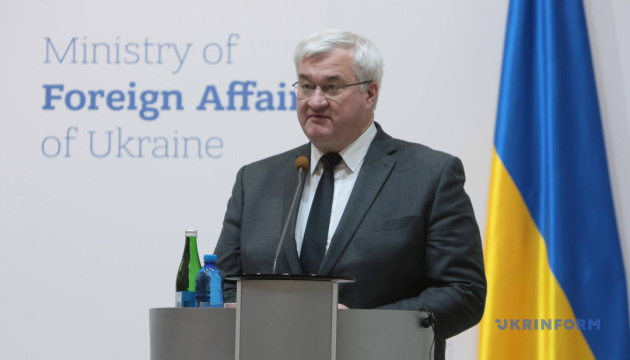
Photo: Ukrinform UA
At a glance
- Foreign Minister Sibiha calls for monthly air defense system adaptations.
- Ukraine aims to enhance its capabilities ahead of winter threats.
- Procurement efforts focus on missiles and Patriot systems under the PURL program.
- Interceptor success rates for drones and missiles have reportedly improved.
- Ukrainian experts gain critical experience through international cooperation.
Why it matters
Ukraine's need to regularly adapt its air defense systems illustrates the urgency of its military strategy against ongoing threats. These adaptations are essential for protecting critical infrastructure and ensuring national security amid a complex conflict landscape.
https://www.ukrinform.ua/rubric-ato/4115214-ukraini-potribno-somisaca-adaptovuvati-deaki-sistemi-ppo-sibiga.html
What Happened
On April 22, 2026, Ukrainian Foreign Minister Andriy Sibiha emphasized the importance of monthly adaptations to air defense systems. This statement came in response to questions from Ukrinform during a press briefing in Kyiv. Sibiha outlined the critical role of the PURL mechanism and the development of domestic anti-ballistic capabilities in Ukraine's ongoing conflict with Russia.
Key Details
Sibiha indicated that there can never be enough air defense systems during wartime. He highlighted the need for extensive air defense, particularly to safeguard energy infrastructure ahead of the upcoming winter and to protect current facilities that are targeted by Russian military efforts.
He noted that Ukraine seeks to enhance its air defense capabilities, primarily through the procurement of missiles and Patriot systems under the PURL program. A significant part of Sibiha's remarks was dedicated to the assertion that Ukraine is navigating a 'decisive transition' in developing its anti-ballistic capabilities.
He claimed that Ukrainian defense efforts could achieve interception rates of up to 90% using domestic systems. This achievement, he noted, positions Ukraine with unique expertise in countering ballistic threats.
Why It Matters
The statements from Sibiha reflect the ongoing and evolving nature of Ukraine's defense strategy against Russian aggression. As the conflict continues, ensuring adaptive and resilient air defense mechanisms is crucial not only for protecting current infrastructure but also for preparing for future challenges. The need for regular updates to these systems indicates the dynamic nature of modern warfare.
Background
Ukrainian officials, including Defense Minister Mykhailo Fedorov, have previously noted improvements in the country's air defense, with interceptor rates reportedly reaching nearly 80% for cruise missiles and 90% for drones. Sibiha’s comments align with the broader initiative aimed at fortifying Ukraine's military capabilities in the face of continuous threats from Russia.
The adaptation and enhancement of air defense systems are seen as critical components of this strategy. Ukrainian experts have also gained experience from assisting countries in the Middle East, which has introduced them to new tactics and technologies relevant to countering advancing threats.
Sibiha's insights into monthly adaptations signal the high operational tempo required within the defense sector amid ongoing military operations.
Source: Ukrinform UA
This report is maintained as a live newsroom article. Headlines and top paragraphs may be tightened when fresh reporting changes the clearest angle.
Newsletter
Get the next breaking Ukraine update
Receive the fastest lead, key facts, and follow-up links in one concise newsroom note.
Breaking format
The lead carries the core fact first.
Key figures and locations stay near the top.
Related coverage tracks the same reporting line.