News report
Ukraine Acknowledges Requests to Spare Russian Oil Terminals
Ukrainian officials confirmed that partners have requested the country not to strike Russian oil terminals. This statement came from Kirilo Budanov at a regional governance congress.
Share this article
Share to social platforms, or copy the article link and share text manually.
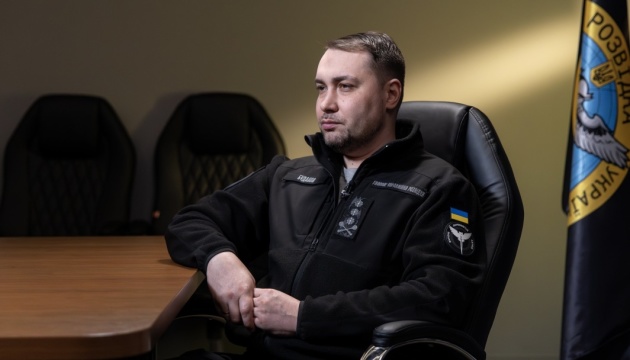
Photo: Ukrinform UA
At a glance
- Budanov confirms foreign requests not to strike Russian oil terminals.
- Ukraine prioritizes its national interests despite external appeals.
- Strikes on Russian infrastructure are seen as crucial for negotiations.
- Similar requests have been common throughout the ongoing war.
- Recent military actions include strikes on key oil facilities in Russia.
Why it matters
This development highlights the tension between Ukraine's military strategy and international diplomatic requests. The balance Ukraine seeks to maintain between its defense needs and foreign relations will be pivotal for future negotiations.
https://www.ukrinform.ua/rubric-polytics/4110923-budanov-pidtverdiv-so-partneri-zvertalisa-z-prohannam-ne-biti-po-rosijskih-naftovih-terminalah.html
What Happened
During a briefing on April 9, 2026, Kirilo Budanov, the Head of the President's Office, stated that foreign partners have reached out to Ukraine, urging restraint from attacking Russian oil terminals. Budanov described this as part of the ongoing complexities of the war, aligning it with Ukraine's national interests.
Budanov acknowledged that similar requests have been a recurring theme throughout the full-scale war. He stressed that while these requests exist, Ukraine must prioritize its own state interests, especially regarding the impact on pricing and the strategic environment of the conflict.
Key Details
Budanov affirmed the requests during a question-and-answer segment at a Congress for Local and Regional Authorities under the President of Ukraine. He noted, “You, as an intelligent person, can understand this is a pricing issue.
But we have our own war.” The Head of the President's Office reassured that Ukraine remains committed to its military objectives, despite external appeals to temper its actions. He reiterated that national interests would guide Ukraine’s decisions in the ongoing conflict with Russia.
Ukraine has carried out strikes on Russian oil facilities, including the 'Ust-Luga Oil' terminal in Leningrad Oblast and the 'Sheskharis' terminal in the Novorossiysk port, according to reports from earlier this month. These actions were framed as essential to enhancing Ukraine’s position in future negotiations.
Why It Matters
Requests from foreign partners reflect international concerns over escalating military actions affecting global oil supply and pricing. However, Ukraine's military strategy primarily revolves around its right to defend itself and act in its national interest during wartime.
The geopolitical ramifications of these strikes and the responses to foreign requests could influence Ukraine's diplomatic relations and wartime strategy amidst a complex landscape of international diplomacy and military engagement.
Background
The ongoing conflict between Ukraine and Russia has seen various military engagements since the beginning of hostilities. Ukraine has consistently targeted infrastructure that it perceives as vital to Russia's war efforts.
The nature of these requests from foreign partners illustrates the delicate balance Ukraine must navigate between military objectives and diplomatic relationships. Since the escalation of conflict, questions regarding the implications of targeted strikes on Russian supply lines have become more pronounced.
The Ukrainian leadership has often addressed international concerns while emphasizing the necessity to act in the face of ongoing aggression.
Source: Ukrinform UA
This report is maintained as a live newsroom article. Headlines and top paragraphs may be tightened when fresh reporting changes the clearest angle.
Newsletter
Get the next major Ukraine report
Follow the strongest verified developments with a cleaner newsroom brief and direct follow-up coverage.
Report format
Fast lead first, then fuller context.
Source photo stays distinct from any illustration.
Related coverage stays inside the same reporting thread.