News report
Trump Asserts U.S. Can Handle Iranian Drones Without Ukraine's Support
In a recent interview, Donald Trump claimed the U.S. does not need Ukraine's help against Iranian drones.
Share this article
Share to social platforms, or copy the article link and share text manually.
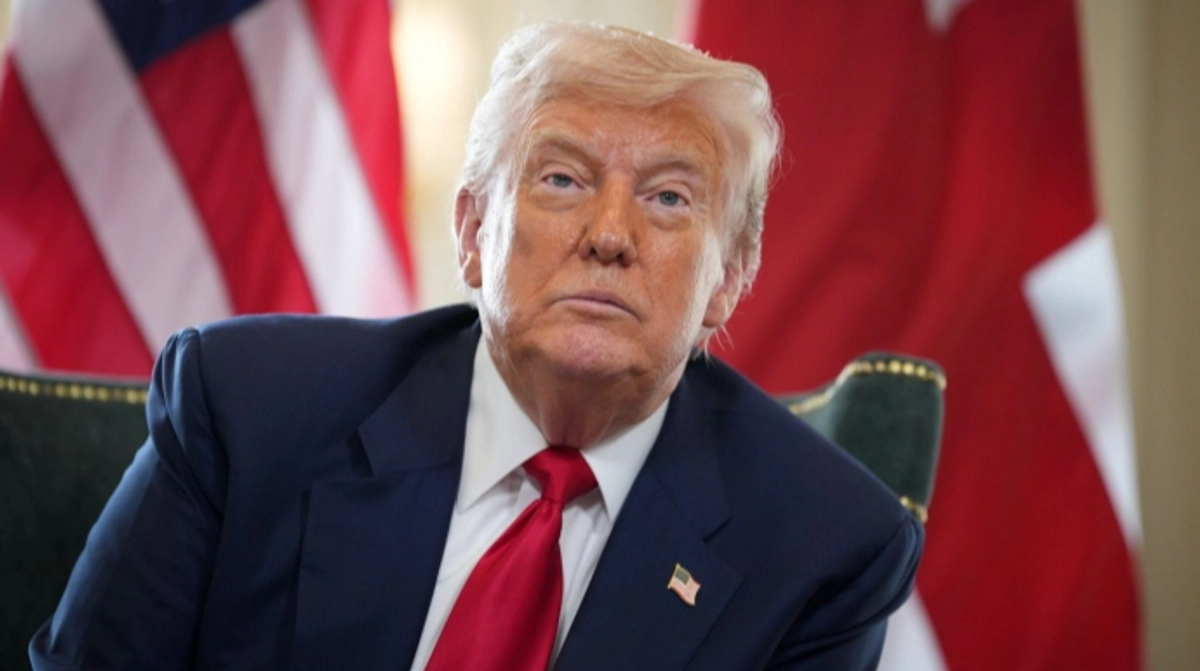
Photo: Ukrainska Pravda UA
At a glance
- Trump claims U.S. does not need Ukraine's help against Iranian drones.
- Interview took place on 'The Brian Kilmeade Show' on Fox News Radio.
- Acknowledges Russian support for Iran amidst ongoing conflicts.
- Ukraine sending drone interceptors to protect U.S. bases in Jordan.
- Ukrainian experts scheduled to visit Middle Eastern countries for defense discussions.
Why it matters
Trump's comments may influence U.S. policy on defense support for Ukraine, raising questions about bilateral military cooperation. Ukraine's efforts to bolster its drone capabilities highlight its commitment to strengthening defenses against external threats, particularly from Russia and Iran.
https://www.pravda.com.ua/news/2026/03/13/8025403/
What Happened
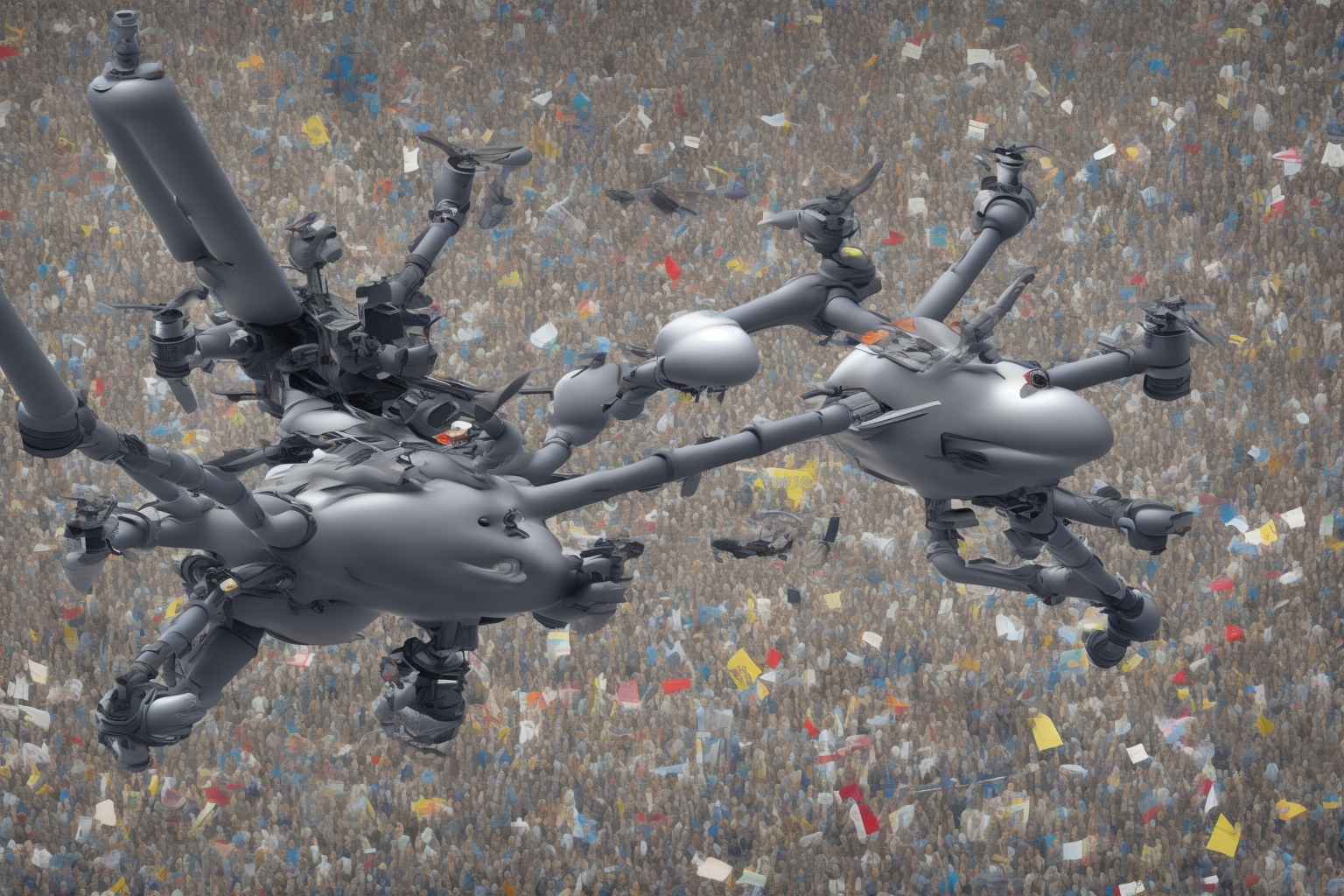
In an interview on 'The Brian Kilmeade Show' on Fox News Radio, former President Donald Trump asserted that the United States is capable of intercepting Iranian drones without the assistance of Ukraine. He stated, 'We know more about drones than anyone. In fact, we have the best drones in the world.'
Trump's remarks come amid rising tensions in the Middle East, as Iranian drones play a more significant role in ongoing conflicts. He acknowledged the collaboration between Russia and Iran but emphasized U.S. independence in managing drone threats.
Key Details
Trump described U.S. support for Ukraine in its conflict with Russia as a transactional relationship, reflecting a divided opinion on foreign aid and military involvement. By suggesting that the U.S.
can handle drone threats on its own, Trump advocates for a less interventionist foreign policy.
Background
U.S. advancements in military drone technology have led Trump to view Ukrainian support as unnecessary. This perspective may appeal to his political base, which favors isolationism in foreign matters.
Meanwhile, Ukraine continues to enhance its drone warfare capabilities. Ukrainian security officials are reportedly preparing to visit Qatar, the UAE, and Saudi Arabia to discuss drone defense technology, demonstrating Kyiv's proactive stance on strengthening its military assets.
Notably, just days before Trump’s statements, Ukrainian officials announced plans to send interceptor drones and experts to protect U.S. military bases in Jordan.
The discussions surrounding drone warfare are crucial as both the U.S. and Ukraine navigate their security challenges. While Ukraine faces ongoing threats from Russian forces, the U.S.
aims to counter Iranian aggression in the region. This interplay of military technology and expertise between both nations reflects their complex partnership amid geopolitical tensions.
How the U.S. shapes its military aid and foreign policy in light of these developments could significantly affect its relationship with Ukraine and its strategic posture in the Middle East and beyond. As Ukraine reinforces its defenses, the dialogue on potential allied support is increasingly relevant.
Source: Ukrainska Pravda UA
This report is maintained as a live newsroom article. Headlines and top paragraphs may be tightened when fresh reporting changes the clearest angle.
Newsletter
Get the next major Ukraine report
Follow the strongest verified developments with a cleaner newsroom brief and direct follow-up coverage.
Report format
Fast lead first, then fuller context.
Source photo stays distinct from any illustration.
Related coverage stays inside the same reporting thread.