News update
Sweden Strengthens Total Defense System Post-Crimea Occupation
According to an expert, Sweden's occupation of Crimea by Russia prompted the country to renew its total defense system, a process initiated in 2015. Magnus Hjort, CEO of the Swedish Psychological Defense Agency, spoke about this shift in a recent interview.
Share this article
Share to social platforms, or copy the article link and share text manually.
Developing story
This page is updated as verified details move. The lead and top sections are tightened first when the clearest confirmed angle changes.
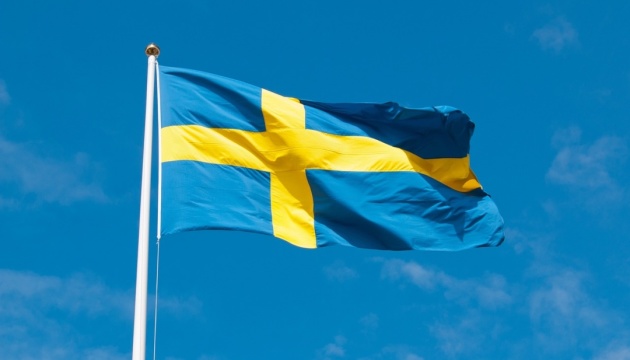
Photo: Ukrinform UA
At a glance
- Sweden renewed its total defense system in 2015 as a direct response to Russia's actions in Crimea.
- The decision was made by the Swedish government and parliament following increased geopolitical threats.
- Magnus Hjort emphasized the importance of education and public engagement in national defense.
- Sweden aims to support citizens through robust welfare and media literacy programs.
- The country identifies a need for strong military and civil defense structures as part of its overall strategy.
Why it matters
Sweden's approach to renewing its total defense system amidst rising tensions with Russia is a significant response to regional security challenges. By investing in education and psychological resilience, the country seeks to prepare its citizens for potential threats.
https://www.ukrinform.ua/rubric-world/4123010-okupacia-krimu-stala-dla-svecii-signalom-do-vidnovlenna-sistemi-totalnoi-oboroni-ekspert.html
What Happened
Sweden has actively worked to restore its total defense system since 2015, directly responding to the occupation of Crimea by Russia and the violence in eastern Ukraine. This renewal reflects a significant policy shift instigated by increasing geopolitical threats, as explained by Magnus Hjort, CEO of the Swedish Psychological Defense Agency.
Key Details
Hjort highlighted that the decision to reinforce Sweden’s defense capabilities stemmed from an acknowledgment of a real and present danger from Russian actions. He stated, "The government and parliament reacted decisively to the events unfolding in Ukraine," recognizing that the threat required serious attention.
He believes Sweden reacted more swiftly than some other nations but expressed that the country could have acted even sooner, particularly noting the 2008 war in Georgia as an earlier warning sign of potential Russian aggression. The focus of Sweden's efforts has been to construct a robust education system spanning from early childhood to higher education.
Hjort emphasized the importance of academic freedom and research in creating a stable society where citizens feel included and heard. He also pointed out the necessity of a strong welfare system capable of functioning effectively in both peaceful and crisis conditions.
As part of this total defense enhancement, Sweden is fortifying its military and civil defense structures. This includes initiatives aimed at psychological resilience among the populace.
The establishment of media literacy programs is also part of Sweden's broader strategy to bolster public understanding, critical thinking, and awareness of the complex geopolitical landscape. Hjort reiterated the importance of citizen engagement in national defense strategies, emphasizing that everyone should comprehend the current challenges faced by Sweden and Europe.
This proactive stance aims to cultivate a population that is informed and prepared for potential crises.
Why It Matters
Sweden's renewed commitment to total defense reflects an adaptation to evolving security threats from Russia. The initiatives undertaken are not just military but encompass cultural and educational dimensions essential for nation-building and resilience in face of external threats.
Background
The shift in Swedish defense policy began in earnest after Russia's annexation of Crimea in 2014 and the subsequent conflict in eastern Ukraine. Recognizing the threats posed by a resurgent Russian military underlines a significant change in strategic thinking within Sweden and the broader region.
Sweden's current efforts signal a long-term commitment to maintaining national security and fostering societal resilience. This renewed total defense approach could serve as a model for other countries grappling with similar security concerns in Europe, emphasizing the interconnection between military readiness and societal cohesion.
Source: Ukrinform UA
This report is maintained as a live newsroom article. Headlines and top paragraphs may be tightened when fresh reporting changes the clearest angle.
Newsletter
Get the next Ukraine update
Track the latest policy, diplomacy, aid, and security changes without losing the thread.
Update format
This template prioritizes developments over recap.
Context stays short and tied to the current turn in the story.
The page is designed for repeat readers checking what changed.