News update
Serbia Investigates Gas Pipeline Incident, Finds No Ukrainian Link
Serbian authorities have found no evidence linking Ukraine to an alleged sabotage attempt on a gas pipeline that supplies Hungary. The report comes from Djurica Jovanic, director of Serbia's Military Security Agency.
Share this article
Share to social platforms, or copy the article link and share text manually.
Developing story
This page is updated as verified details move. The lead and top sections are tightened first when the clearest confirmed angle changes.
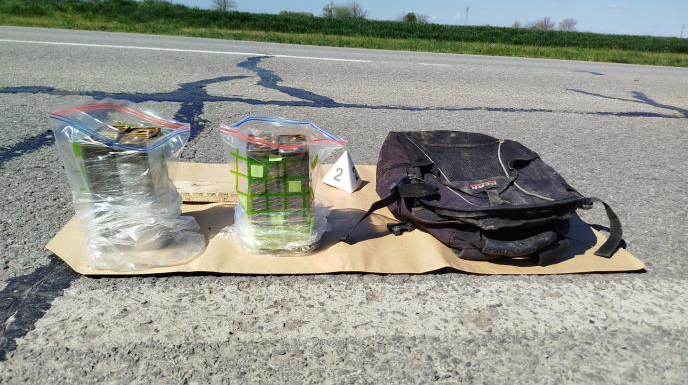
Photo: Ukrainska Pravda UA
At a glance
- Serbian authorities found no evidence linking Ukraine to the pipeline incident.
- Explosives discovered near the pipeline were manufactured in the USA.
- Hungarian PM ordered increased security for the gas pipeline post-incident.
- Accusations of Ukrainian involvement have been met with strong denials from Kyiv.
- The incident raises concerns about misinformation and geopolitical tensions.
Why it matters
The investigation into the gas pipeline incident illustrates the precarious state of regional security and the risk of misinformation exacerbating tensions. Understanding the facts is vital as Ukraine and Russia continue their conflicts, influencing the delicate balance in Eastern Europe.
https://www.pravda.com.ua/news/2026/04/06/8028894/
What Happened
On April 5, Serbian authorities announced a purported attempt at sabotage on a gas pipeline running to Hungary. Following this incident, explosives and detonators were reportedly discovered near the pipeline.
Djurica Jovanic clarified to local media that investigations yielded no connections to Ukraine. According to Jovanic, insinuations of Ukrainian involvement are false.
Key Details
Jovanic stated, "Disinformation indicates that the Serbian Armed Forces and their personnel might be working for another party, suggesting they are finding Ukrainian explosives and blaming Ukraine for this. This is not true." He emphasized that while the explosives' manufacturer may be identified, it does not imply culpability for the act itself.
Jovanic noted that the explosives were manufactured in the United States, raising further questions about the origin of the incident. In response to the threat, Hungarian Prime Minister Viktor Orbán convened a National Security Council meeting and issued orders to secure the country's section of the Turkish Stream gas pipeline.
This heightened security follows earlier claims of a potential "Ukrainian threat" to Hungary's energy infrastructure. The Hungarian government had already increased its security measures amid accusations regarding Ukraine's potential involvement.
Péter Szíjjártó, Hungary's Foreign Minister, hinted at possible Ukrainian ties to the foiled sabotage, while Ukraine’s official response categorically dismissed these accusations. Ukrainian officials proposed the notion of a Russian involvement, possibly linked to Russian interference in Hungary’s elections to benefit Orbán's government.
The intergovernmental tensions have intensified as regional dynamics evolve, leaving room for speculations and geopolitical maneuvering, particularly involving the energy sector.
Why It Matters
The implications of the incident extend beyond national security for Serbia and Hungary, influencing regional stability. The unfolding narrative could fan the flames of misinformation and conflict in the context of ongoing geopolitical strains involving Ukraine and Russia.
Background
Tensions have been escalating in Eastern Europe following Russia's invasion of Ukraine, affecting energy supply routes and relations among neighboring countries. Hungary, relying significantly on gas supplies, has been vigilant, particularly as it evaluates security measures linked to regional threats.
The response to the alleged sabotage reflects a broader concern regarding the protection of critical infrastructure amidst competing narratives of blame and responsibility among nations in conflict. The arrest of any suspects related to the incident may further influence public perception and diplomatic relations in the region.
Source: Ukrainska Pravda UA
This report is maintained as a live newsroom article. Headlines and top paragraphs may be tightened when fresh reporting changes the clearest angle.
Newsletter
Get the next Ukraine update
Track the latest policy, diplomacy, aid, and security changes without losing the thread.
Update format
This template prioritizes developments over recap.
Context stays short and tied to the current turn in the story.
The page is designed for repeat readers checking what changed.