News report
SDP Voices Support for Schröder as EU Negotiator with Russia
Members of Germany's Social Democratic Party (SDP) are considering Gerhard Schröder as a potential EU negotiator regarding the Russian-Ukrainian conflict. This comes after a recent proposal from Russian President Vladimir Putin.
Share this article
Share to social platforms, or copy the article link and share text manually.
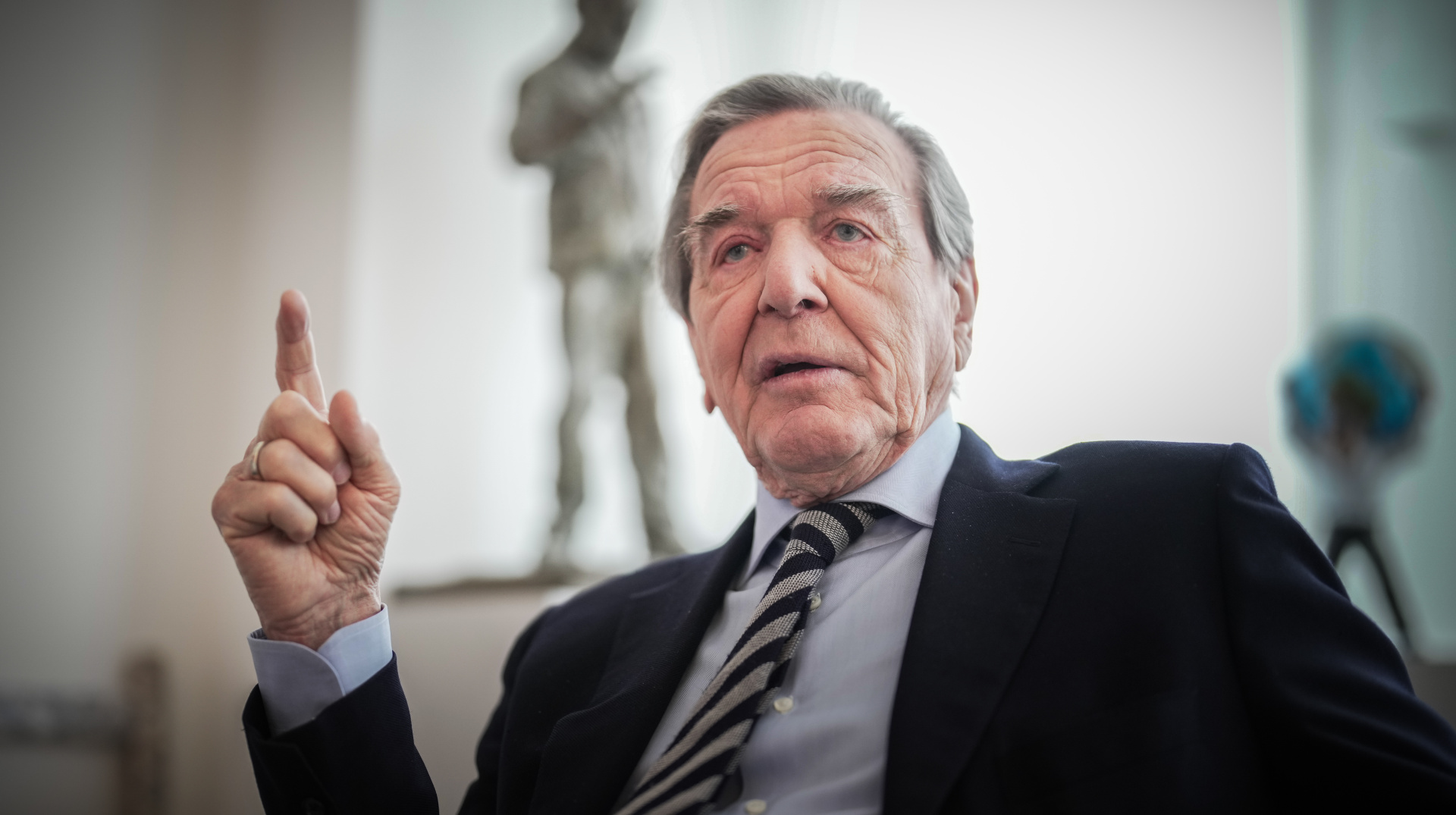
Photo: Ukrainska Pravda UA
At a glance
- SDP considers Gerhard Schröder as possible EU negotiator with Russia.
- Ahmetovic affirms the need for European involvement in negotiations.
- Some SDP members express concerns about appointing Schröder linked to Russia.
- Michael Roth criticizes the proposal, urging respect for Ukraine's position.
- The discourse highlights tensions within the SPD regarding relations with Russia.
Why it matters
This discussion reflects the challenges faced by European nations seeking to mediate in the Russian-Ukrainian conflict. The choice of negotiator will significantly influence the dynamics of any potential peace discussions in the future.
https://www.pravda.com.ua/news/2026/05/10/8034068/
What Happened
A recent proposal from Russian President Vladimir Putin has prompted members of Germany's Social Democratic Party (SDP) to discuss the candidacy of former German Chancellor Gerhard Schröder as a negotiator for the European Union in the ongoing conflict between Russia and Ukraine. The discussions took place in light of Schröder's history of engagement with Russian leaders and his longstanding ties to Russia.
Key Details
Adis Ahmetovic, the SDP's foreign policy spokesperson in the Bundestag, stated that Putin's suggestion deserves serious consideration. According to Ahmetovic, it is crucial to ensure that the future of Ukraine and European security is not solely dictated by the United States and Russia.
He emphasized the importance of being involved in negotiations. Another SDP member, Ralph Stenger, echoed this sentiment and expressed that it would be unwise to reject any initiative which could promote peace, provided it is acceptable to Ukraine.
However, not all members of the SDP are supportive of Schröder's potential candidacy for this role. Former faction leader Rolf Mützenich voiced his concerns, noting that it seems unusual for one of the warring parties to appoint a negotiator.
He acknowledged the growing recognition within the party that the EU must play a role in the negotiations, while simultaneously stressing the need for Ukrainian consent in these discussions. Michael Roth, a former chair of the SDP's foreign affairs committee, criticized the suggestion.
He characterized it as lacking serious diplomatic merit and cautioned that a mediator cannot be a friend of Putin. Roth highlighted that any proposals for negotiation must be acceptable to Ukraine and underlined that both Ukraine and EU nations should not make decisions on its behalf.
Following Putin's statement on May 9, many SDP representatives are weighing the implications of such engagement. They recognize Schröder, who served as Chancellor of Germany from 1998 to 2005, as a controversial figure due to his relationships with Russia and his roles in Russian energy companies.
Despite facing criticism, he has not distanced himself from the Kremlin since the onset of the full-scale invasion of Ukraine. Terminally, Schröder has been noted for his meetings with Putin in the weeks following the conflict and again in July 2022, emphasizing Russia's purported desire for peace despite the ongoing aggression against Ukraine.
In the past, the SDP has faced internal pressures regarding Schröder's membership and his public appearances, including his notable absence from major party events, such as the 160th anniversary celebration of the SDP.
Why It Matters
The discussion around Schröder represents a critical juncture in diplomatic efforts related to the Ukraine conflict. It highlights the complexities of European engagement with Russia and raises questions about the appropriateness and effectiveness of former leaders in mediating peace processes.
Understanding the implications of these discussions is essential for assessing future EU-Russia relations and their impact on Ukraine.
Background
Schröder's tenure as Chancellor was marked by pro-Russian policies. He has faced scrutiny for his involvement with Russian energy companies, and since the beginning of the conflict in Ukraine, he has not publicly criticized the Kremlin's actions.
His candidacy as a negotiator is tied to ongoing debates within the SDP and broader EU regarding how to address the conflict while ensuring Ukraine's sovereignty and security are prioritized. As the conflict continues, voices within Germany are grappling with the balance of diplomacy and moral obligations toward Ukraine.
Source: Ukrainska Pravda UA
This report is maintained as a live newsroom article. Headlines and top paragraphs may be tightened when fresh reporting changes the clearest angle.
Newsletter
Get the next major Ukraine report
Follow the strongest verified developments with a cleaner newsroom brief and direct follow-up coverage.
Report format
Fast lead first, then fuller context.
Source photo stays distinct from any illustration.
Related coverage stays inside the same reporting thread.