News report
Russia Agrees to Extended Ceasefire with Ukraine Until May 11
Russia has agreed to support a ceasefire extension with Ukraine until May 11. This decision follows a proposal from US President Donald Trump, as reported by Russian state media.
Share this article
Share to social platforms, or copy the article link and share text manually.
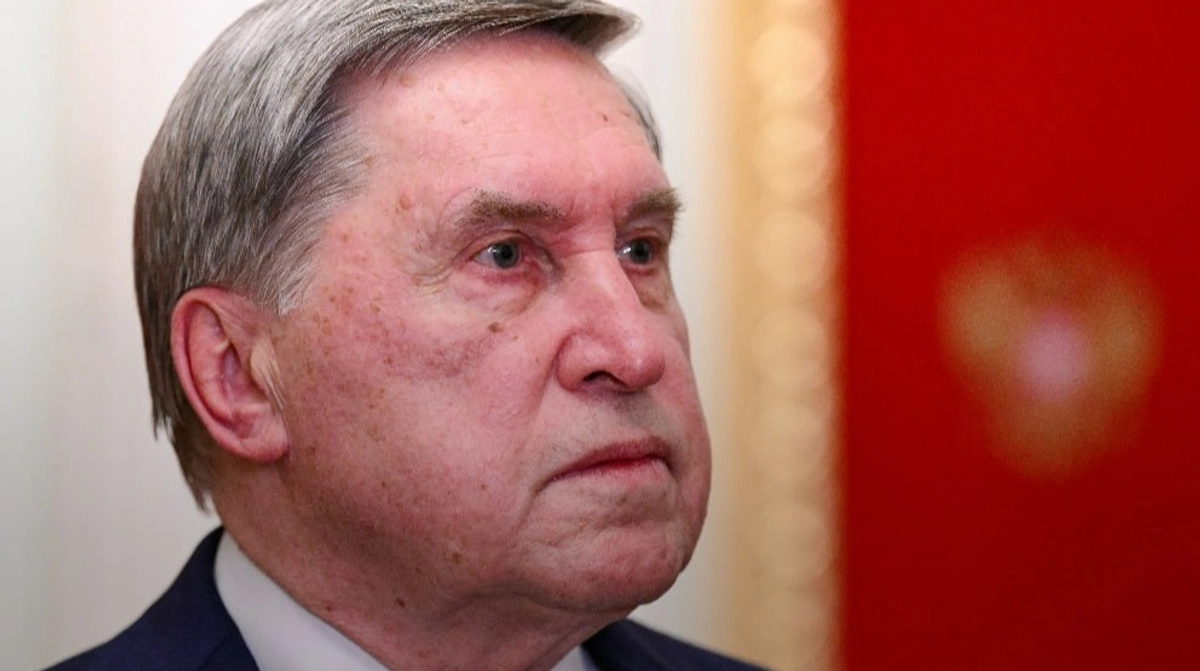
Photo: Ukrainska Pravda EN
At a glance
- Russia agrees to extend ceasefire with Ukraine until 11 May.
- The proposal is linked to a prisoner exchange of 1,000 individuals.
- Ceasefire coincides with Russia's Victory Day on 9 May.
- Ukrainian authorities confirm the agreement supports Russia's celebration.
- The truce presents a temporary opportunity for peace amid ongoing conflict.
Why it matters
The ceasefire extension aligns with symbolic dates, potentially fostering goodwill. It highlights ongoing humanitarian issues and sets the stage for future negotiations.
https://www.pravda.com.ua/eng/news/2026/05/08/8033891/
What Happened
On 8 May, the Kremlin announced its agreement to extend the ceasefire with Ukraine until 11 May. This decision was made in response to a proposal from US President Donald Trump, according to Russian state media.
Yuri Ushakov, an aide to President Vladimir Putin, provided details about the initiative. He stated that agreements for a 1,000-for-1,000 prisoner exchange were also reached during discussions with officials from the Trump administration.
The ceasefire extension coincides with the upcoming Russian Victory Day on 9 May, a significant holiday commemorating the Soviet victory over Nazi Germany in 1945.
Key Details
During the announcement, Ushakov elaborated on how this initiative aligns with the sentiments of Victory Day. He indicated that the timing of the ceasefire and the prisoner exchange reflects a potential goodwill gesture.
President Trump's mention of a three-day truce came just before the holiday, giving it symbolic weight. Ukrainian President Volodymyr Zelenskyy confirmed the ceasefire extension and the planned prisoner exchange, stating it would take place on 9 May.
Furthermore, Ukrainian authorities have ratified Russia's intention to hold its Victory Day celebrations as part of this truce agreement. Such exchanges and ceasefire arrangements are often seen in the context of ongoing negotiations, where capturing public sentiment around important dates can play a crucial role.
The 1,000-for-1,000 exchange indicates a significant number of individuals involved, hinting at the complex humanitarian issues still at hand between the two countries.
Why It Matters
The extended ceasefire presents an opportunity for both nations to demonstrate a commitment to peace, albeit temporarily, during a significant commemorative period. The dynamics around the ceasefire and prisoner exchanges could impact public opinion and diplomatic relations moving forward.
Additionally, the acceptance of a truce during such a pivotal holiday could influence international perceptions of both Russia and Ukraine, thereby shaping future discussions on the conflict.
Background
The current conflict between Ukraine and Russia has seen numerous ceasefires and humanitarian gestures, but these often face challenges of implementation. The ceasefire set for 9-11 May is a recent development in a long-standing conflict that has had profound impacts on civilian lives and international relations.
Past agreements have produced varied results, leaving many observers cautious about potential outcomes this time. The history of negotiations highlights the complexity of the underlying issues, from territorial claims to the humanitarian crisis that has emerged from the conflict.
The prisoner exchanges are not uncommon in the ongoing struggle, often seen as a way to establish temporary goodwill between conflicting parties. While this agreement represents a step toward dialogue, the situation remains fragile.
Source: Ukrainska Pravda EN
This report is maintained as a live newsroom article. Headlines and top paragraphs may be tightened when fresh reporting changes the clearest angle.
Newsletter
Get the next major Ukraine report
Follow the strongest verified developments with a cleaner newsroom brief and direct follow-up coverage.
Report format
Fast lead first, then fuller context.
Source photo stays distinct from any illustration.
Related coverage stays inside the same reporting thread.