Breaking news
SBU Detains Cleric for Guiding Russian Missile Strike on Odesa
The Security Service of Ukraine (SBU) has arrested a cleric from the Ukrainian Orthodox Church of the Moscow Patriarchate (UOC-MP) for his alleged role in guiding a Russian missile strike on Odesa in March 2024. According to the report from Ukrinform, the cleric provided critical coordinates used in the attack.
Share this article
Share to social platforms, or copy the article link and share text manually.
Developing story
This page is updated as verified details move. The lead and top sections are tightened first when the clearest confirmed angle changes.
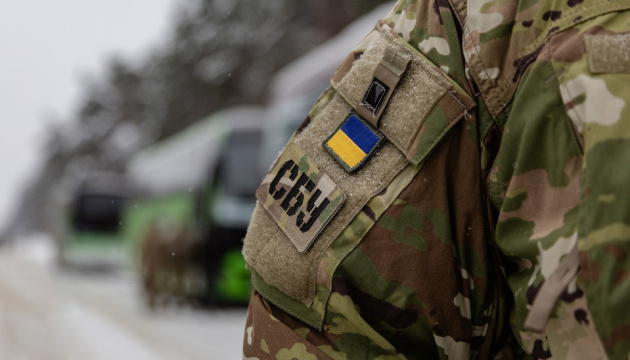
Photo: Ukrinform EN
At a glance
- SBU detains UOC-MP cleric for directing Russian missile strikes.
- Cleric accused of providing coordinates for missile attacks in Odesa.
- Two Iskander missiles targeted civilian infrastructure in March 2024.
- Cleric allegedly communicated with GRU and went into hiding post-attack.
- He faces high treason charges, with a possible life sentence.
Why it matters
The arrest underscores the challenges faced by Ukraine in combating internal threats during the ongoing conflict. It highlights the potential use of religious figures in intelligence operations against the state.
https://www.ukrinform.net/rubric-crime/4127727-sbu-detains-uocmp-cleric-accused-of-guiding-russian-missile-strike-on-odesa.html
What Happened
On May 28, 2026, the Security Service of Ukraine (SBU) apprehended a cleric of the Ukrainian Orthodox Church of the Moscow Patriarchate (UOC-MP). He faces charges related to the guidance of a Russian Iskander missile strike that targeted Odesa. The incident occurred in March 2024, where two missiles struck a recreational area, reportedly resulting in civilian casualties.
Key Details
The SBU claims that the cleric coordinated the missile attacks by supplying Russian forces with geolocation data from a church within the local UOC-MP diocese. The first missile targeted a residential area, striking a location where military personnel were believed to be present.
Shortly after, the second missile hit the same site, targeting emergency responders who had arrived to assist. Following the attack, the cleric allegedly communicated with Russia’s military intelligence agency, the GRU, providing them with information on the aftermath.
To evade capture, he subsequently went into hiding. Authorities investigated the cleric's activities, revealing that he attracted the attention of Russian intelligence through pro-Kremlin posts on Telegram.
After recruitment, he reportedly roamed Odesa in clerical attire, marking potential targets on Google Maps for the missile strikes. The priest passed this intelligence to a collaborator, Serhii Lebedev, who operates from the occupied region of Donetsk.
Investigators discovered that he provided data on air defense installations and an electrical substation near Odesa, including its protection mechanisms. During the SBU's operation, they seized the cleric’s smartphone that was utilized for intelligence gathering and communication with GRU agents.
He has been served with a notice of suspicion under Part 2 of Article 111 of the Criminal Code of Ukraine, relating to high treason amid martial law. The cleric remains in custody without bail and faces a potential life sentence that includes confiscation of property.
This arrest follows a similar case where a resident of Dnipropetrovsk was sentenced to 15 years in prison for relaying military information to Russian forces.
Why It Matters
The arrest emphasizes the ongoing risks posed by internal collaborators during the conflict, particularly within religious institutions. It reveals a troubling intersection of faith and geopolitics, where clerical figures can be utilized in military strategy.
Background
The conflict in Ukraine, ongoing since 2014, has seen numerous instances of espionage and collaboration with Russian forces. Religious organizations within Ukraine have faced scrutiny over affiliations with Moscow patriarchate congregations. This incident reflects broader issues of loyalty and treachery amid the current war, where trust can be as dangerous as open hostility.
Source: Ukrinform EN
This report is maintained as a live newsroom article. Headlines and top paragraphs may be tightened when fresh reporting changes the clearest angle.
Newsletter
Get the next breaking Ukraine update
Receive the fastest lead, key facts, and follow-up links in one concise newsroom note.
Breaking format
The lead carries the core fact first.
Key figures and locations stay near the top.
Related coverage tracks the same reporting line.