News report
SBU Charges Three Organizers of Illegal Voting in Luhansk
The Security Service of Ukraine (SBU) has charged three individuals for their roles in organizing illegal voting during a sham referendum in occupied Luhansk. The allegations were reported by SBU's regional office on June 3, 2026.
Share this article
Share to social platforms, or copy the article link and share text manually.
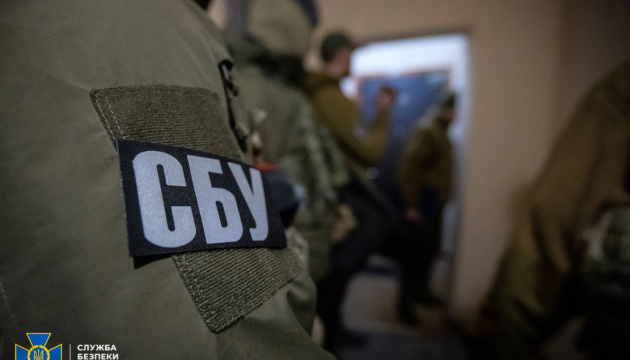
Photo: Ukrinform UA
At a glance
- SBU charges three for organizing illegal voting in Luhansk.
- One suspect is a former Luhansk official who defected in 2014.
- Charges include participation in non-legitimate elections and territorial integrity violations.
- Perpetrators face up to 10 years in prison and property confiscation.
- Suspects coordinated efforts for a sham referendum aimed at annexation.
Why it matters
The charges against three individuals involved in organizing illegal voting mark a critical step in enforcing legal accountability in occupied territories. Holding perpetrators responsible is vital for Ukraine’s judicial integrity and its territorial sovereignty.
https://www.ukrinform.ua/rubric-regions/4129912-sbu-ogolosila-pidozri-trom-organizatoram-nezakonnih-golosuvan-na-tot-lugansini.html
What Happened
The SBU announced charges against three accomplices who facilitated the conduct of a false referendum and presidential elections of the Russian Federation in the temporarily occupied territory of Luhansk. This announcement came on June 3, 2026, via the SBU's Donetsk and Luhansk regional office's Facebook page.
Key Details
According to the SBU, one of the suspects is a former official from Luhansk who defected to the Russians in 2014. He is currently leading a unit in the occupation authority's 'Russian registry for LNR' and serves as a decisive voting member of the invaders' election commission.
During the illegal presidential voting in March 2024, he actively participated in organizing the event and signed the final protocol of the vote count, which was subsequently sent to the Central Election Commission of the Russian Federation. Another suspect was responsible for overseeing the electoral process in Sievierodonetsk.
Operating as a member of the fake 'district commission No. 385', she was involved in preparing voter lists, distributing ballots, and compiling voting protocols. Her actions were crucial in ensuring the supposed legitimacy of the fraudulent elections.
The third defendant is a former director of a vocational agricultural college in the Aydar community of the Starobilsk district. She voluntarily joined the territory's election commission in September 2022 and assisted in organizing the sham referendum aimed at annexing Luhansk to Russia.
Her involvement has led to additional charges under Article 110, part 2 of the Criminal Code for encroachments on Ukraine's territorial integrity and inviolability.
Why It Matters
The charges highlight the sustained efforts of Ukrainian authorities to hold individuals accountable for actions undermining Ukraine's sovereignty. The SBU indicated that all three suspects may face up to ten years of imprisonment, including property confiscation.
Background
The ongoing conflict in Eastern Ukraine has seen various attempts by Russian-backed authorities to legitimize their control over occupied territories. The organization of sham referendums and elections is part of broader efforts to influence the perception of governance in these regions.
The Ukrainian legal system has increased its focus on prosecuting those involved in such schemes as part of a long-term strategy to restore constitutional order. The situation remains tense, with continued reports of illegal activities in occupied areas.
This latest development reflects the ongoing complexities of the conflict and the international law implications surrounding the occupying forces.
Source: Ukrinform UA
This report is maintained as a live newsroom article. Headlines and top paragraphs may be tightened when fresh reporting changes the clearest angle.
Newsletter
Get the next major Ukraine report
Follow the strongest verified developments with a cleaner newsroom brief and direct follow-up coverage.
Report format
Fast lead first, then fuller context.
Source photo stays distinct from any illustration.
Related coverage stays inside the same reporting thread.