News update
Russian Propaganda Labels Ukraine as 'Terrorist State'
Russian information resources have increased their campaign labeling Ukraine as a 'terrorist state.' This follows reports of attacks on oil terminals and refineries in Ufa and other areas in Russia.
Share this article
Share to social platforms, or copy the article link and share text manually.
Developing story
This page is updated as verified details move. The lead and top sections are tightened first when the clearest confirmed angle changes.
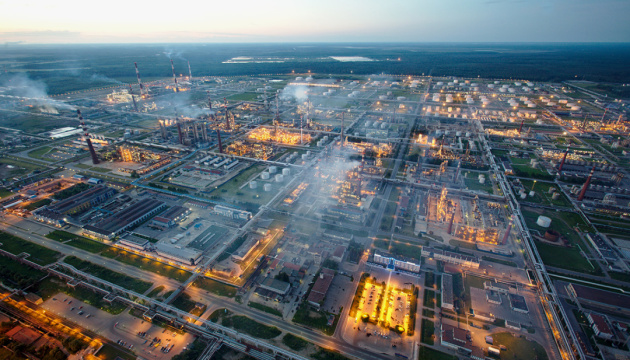
Photo: Ukrinform UA
At a glance
- Russian media ramping up claims of Ukraine as a 'terrorist state.'
- Over 8,700 disinformation articles related to Ukraine published recently.
- Claims of Ukraine damaging the Turkish Stream gas pipeline emerge.
- Manipulative narratives exploit Trump's criticisms of U.S. involvement.
- Incidents with drones in Finland and the Baltics are being misreported.
Why it matters
Russia's labeling of Ukraine as a 'terrorist state' seeks to shift blame and justify its military actions. The spread of such narratives could divide international support for Ukraine and impact Western public opinion.
https://www.ukrinform.ua/rubric-society/4108801-rospropaganda-posirue-narativi-pro-ukrainu-ak-teroristicnu-derzavu-cerez-ataki-po-obektah-rf.html
What Happened
On April 2, 2026, Russian media outlets began amplifying narratives about Ukraine, portraying it as a 'terrorist state.' This campaign coincided with reports of assaults on oil terminals and other infrastructure located in Russia, specifically in Ufa. According to Ukrinform, the information warfare tactic aims to shift blame onto Ukraine amid ongoing military operations.
Key Details
The Center for Strategic Communications SPRAVDI reported that on April 2, almost 130 disinformation resources published around 8,700 items referencing Ukraine. These channels are known for systematically disseminating false information and conducting information manipulation.
The reports suggest a significant escalation in Russian propaganda efforts against Ukraine on this date. Such allegations are posited to instigate fears of a looming energy crisis in Europe, amplifying existing tensions within the region.
Furthermore, Russian media are propagating claims about the alleged fragmentation within the European Union (EU) and NATO regarding support for Ukraine, asserting that Ukraine's state operations are heavily reliant on external assistance and management. Of significant note is how Russian resources are leveraging statements made by former U.S.
President Donald Trump, who criticized U.S. involvement in Ukraine, which they claim highlights perceived weaknesses in U.S. policy. Reports indicate that about 500 manipulative articles were published based on these comments alone.
Adding to the narrative, Russian propaganda has sought to exploit incidents involving drones crashing in Finland and the Baltic states during Ukrainian military operations in Leningrad Oblast. This tactic aims to stir distrust and conspiracy theories surrounding Ukraine's involvement in foreign elections, particularly in Hungary.
Messages regarding a supposed 'energy blockade' against Hungary and funding for opposition groups have also surfaced.
Why It Matters
These disinformation campaigns by Russia aim to manipulate public perception and diplomatic relations regarding Ukraine. By portraying Ukraine as a state sponsor of terrorism, Russia seeks to justify its military actions and rally domestic support while undermining international support for Ukraine.
The extensive spread of these narratives could potentially influence European public opinion, leading to increased division within international alliances that support Ukraine against Russian aggression.
Background
Russian propaganda has a long history of utilizing misinformation to achieve strategic aims. Past examples include false claims of humanitarian aid under dubious circumstances and incendiary assertions about NATO's intentions. These tactics are viewed as part of a broader strategy to manipulate narratives, create dissent among allies, and fortify Russia's own geopolitical standing amidst ongoing conflict in Ukraine.
Source: Ukrinform UA
This report is maintained as a live newsroom article. Headlines and top paragraphs may be tightened when fresh reporting changes the clearest angle.
Newsletter
Get the next Ukraine update
Track the latest policy, diplomacy, aid, and security changes without losing the thread.
Update format
This template prioritizes developments over recap.
Context stays short and tied to the current turn in the story.
The page is designed for repeat readers checking what changed.