Breaking news
Russian Forces Launch 66 Attacks in Eastern Ukraine on March 29
On March 29, the Russian army executed 66 attacks against Ukrainian positions. The most intense fighting occurred in the Pokrovsk and Kostiantynivka sectors, according to military sources.
Share this article
Share to social platforms, or copy the article link and share text manually.
Developing story
This page is updated as verified details move. The lead and top sections are tightened first when the clearest confirmed angle changes.
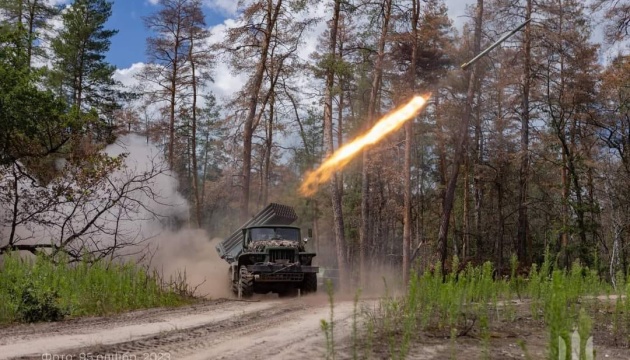
Photo: Ukrinform EN
At a glance
- 66 attacks by Russian forces reported on March 29.
- Intense fighting concentrated in Pokrovsk and Kostiantynivka sectors.
- Significant artillery strikes in Sumy and Chernihiv regions.
- Ukrainian forces engaged in multiple clashes across several sectors.
- Continuous airstrikes and artillery fire raise concerns about civilian safety.
Why it matters
This escalation shows the ongoing volatility of Eastern Ukraine, highlighting the persistent military threat from Russian forces. Understanding these dynamics is crucial for international responses and humanitarian efforts in the region.
https://www.ukrinform.net/rubric-ato/4106892-war-update-enemy-launches-66-attacks-pokrovsk-and-kostiantynivka-sectors-see-fiercest-battles.html
What Happened
Since the start of the day on March 29, 2026, the Russian army launched 66 attacks on Ukrainian Defense Forces. The Ukrainian Armed Forces reported this escalation around 4:00 p.m., highlighting areas of intense conflict.
Key Details
The fierce battles are concentrated in the Pokrovsk and Kostiantynivka sectors. The General Staff of the Armed Forces of Ukraine detailed multiple engagements and artillery strikes in various locations.
In the Sumy region, border settlements such as Tovstodubove, Korenok, and others experienced artillery fire. An airstrike targeted the area surrounding Vilna Sloboda in Sumy. Russian forces also carried out 63 attacks in the Northern Slobozhanshchyna and Kursk sectors.
These included three assaults utilizing multiple launch rocket systems. A lone assault aimed at Ukrainian positions in the Vilcha area was reported in the Southern Slobozhanshchyna sector.
The Kupiansk sector saw nine attempts by Russian forces to gain ground in several areas including Novoosynove and Petropavlivka. Ongoing fighting was noted in those locations. In the Lyman sector, Ukrainian troops successfully repelled two Russian advances.
Clashes also continued in the Sloviansk sector, particularly in the Rai-Oleksandrivka area, while the Kramatorsk sector recorded a Russian attempt to breach the Fedorivka Druha region. The Kostiantynivka sector noted 17 Russian attacks in the vicinity of Kostiantynivka and surrounding settlements, with ongoing clashes.
The Pokrovsk sector reported 19 attempts to dislodge Ukrainian forces from their positions. In the Oleksandrivka sector, seven attacks targeted areas including Andriivka-Klevtsove and the nearby settlements, alongside guided bomb strikes on Lisne and Pokrovske.
The Huliaipole sector witnessed six repelled attacks in Dobropillia and Huliaipole. Airstrikes were noted in various areas including Vozdvyzhenske and Shyroke, while no assaults were reported in the Prydniprovske sector.
A notable event included Ukrainian Unmanned Systems Forces striking a Russian BM-30 Smerch/Tornado-S multiple rocket launcher in Crimea.
Why It Matters
The sustained intensity of Russian attacks indicates a continued strategy to overwhelm Ukrainian defenses in critical areas. The ongoing clashes reflect a protracted conflict impacting civilians and military personnel alike.
Background
The conflict in Ukraine, which escalated in 2022, has led to severe military operations in various regions. The northern and eastern sectors remain hotspots, with Ukraine's Armed Forces frequently reporting on attacks and engagements. The international community continues to monitor the situation closely as humanitarian needs grow amid military actions.
Source: Ukrinform EN
This report is maintained as a live newsroom article. Headlines and top paragraphs may be tightened when fresh reporting changes the clearest angle.
Newsletter
Get the next breaking Ukraine update
Receive the fastest lead, key facts, and follow-up links in one concise newsroom note.
Breaking format
The lead carries the core fact first.
Key figures and locations stay near the top.
Related coverage tracks the same reporting line.